


Show Notes 19 June 2026
Text highlighted in blue identifies notes I have inserted.
Story 1: A new frontier for marine robot communication: University of Florida scientists develop BlueME
Source: University of Florida Story by Dave Schlenker
Access research paper here: https://ieeexplore.ieee.org/document/11506063
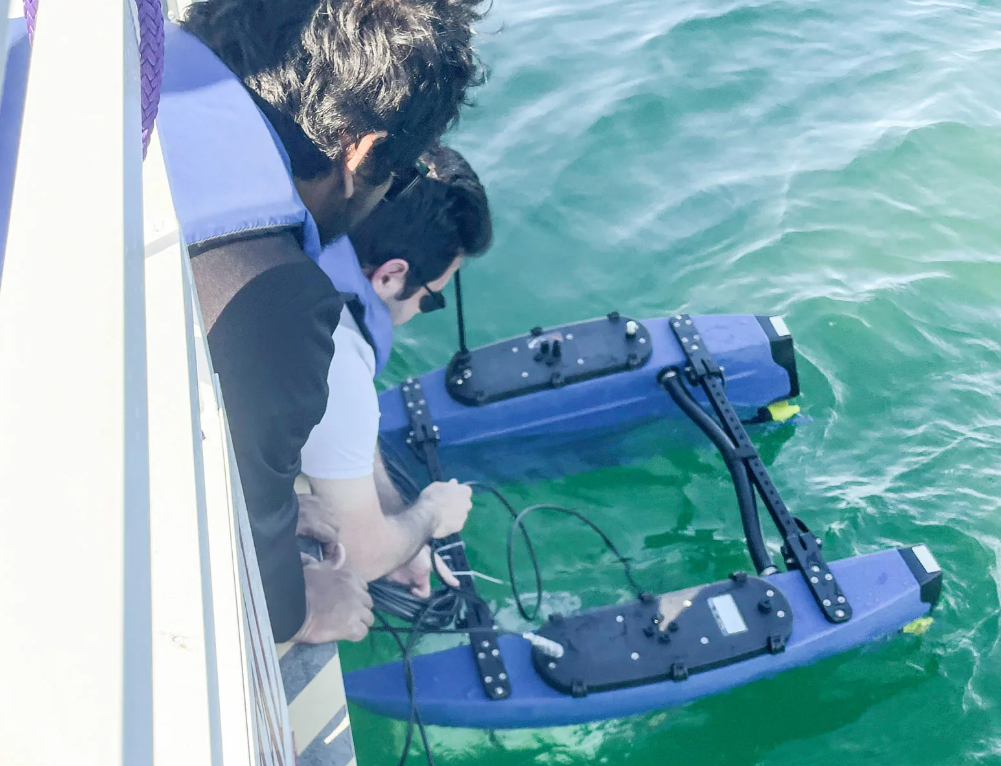
- Scientists at the University of Florida are working on a new technology that could solve one of the ocean’s biggest communication problems: underwater wireless signals.
- Right now, the ocean is essentially a giant “wireless dead zone” because radio waves—the kind used by cell phones and Wi-Fi—do not travel well through saltwater.
- Instead, underwater robots and submarines often rely on slow acoustic signals (sound waves) or bulky wired connections.
- Researchers at the University of Florida have developed a tiny new type of antenna called a magnetoelectric antenna that may dramatically improve underwater communication.
- Side note – A magnetoelectric material is one in which the magnetic and electric responses are intrinsically linked. In the most general sense, the magnetoelectric effect is any coupling between magnetic and electric properties. More simply:
- Apply an electric field → the material becomes magnetized.
- Apply a magnetic field → the material becomes electrically polarized.
- Unlike traditional antennas, which struggle underwater and often require lots of power, this design uses magnetic and electric fields together to send signals through seawater more efficiently.
- Remarkably, the system reportedly works with only about 10 watts of power—roughly similar to a small LED light bulb. And the underwater signal range of the BlueME technology exceeds 700 meters (approximately 2,296 feet).
- The technology could be especially useful for underwater robots, ocean sensors, autonomous submarines, and scientific monitoring systems.
- Instead of relying on expensive cables or slow sound-based communications, machines underwater might someday exchange information more quickly and with less energy. This could improve marine research, environmental monitoring, military operations, and even underwater infrastructure inspections.
- However, the technology is still experimental. Researchers must prove it works reliably over longer distances and in real-world ocean conditions before it becomes widely used. Even so, scientists see it as a potentially important breakthrough for making the ocean a far more connected place.

Story 2: Scientists bred a fast-growing kelp that could fuel ships and aircraft without oil
Source: The Cool Down on MSN.com Story by Brooklyn Smith
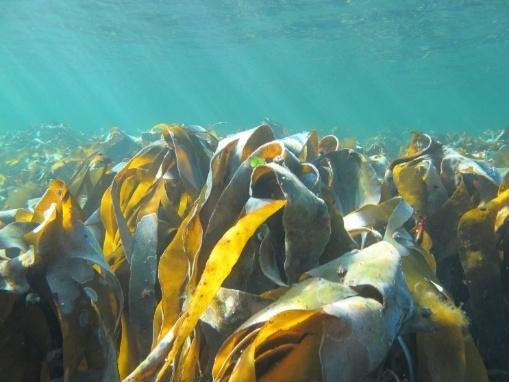
- Scientists at Woods Hole Oceanographic Institution are breeding fast-growing strains of sugar kelp to create a new source of liquid biofuel.
- Side note – The Woods Hole Oceanographic Institution is in Woods Hole, Massachusetts, on the southwestern tip of Cape Cod. It is one of the world’s leading centers for ocean science, engineering, and marine exploration.
- The goal is to provide sustainable fuel alternatives for ships and aircraft, which cannot easily switch to battery-electric power.
- The advantages of using fast-growing strains of sugar kelp:
- Grows in the ocean (no farmland needed)
- Requires no freshwater
- Requires no pesticides
- Can produce up to 3× the biomass of standard kelp strains
- Researchers cultivate kelp gametophytes (microscopic cells) under controlled conditions and select for traits like faster growth and higher biomass.
- The kelp is converted into fuel using hydrothermal liquefaction, a process that uses heat and pressure to turn biomass into liquid fuel.
- This approach could help countries [industries] seeking cleaner, non-petroleum fuel options for long-distance transportation.

Story 3: Introducing Argus, a robot with 20 legs and eyes built to move and see in any direction instantly
Source: AP News Service Story by Allen G. Breed and Holly Ramer
Link: https://apnews.com/article/robot-duke-argus-6ba9651ba6553ebc4405ffc07a26afed
See great video here: https://www.youtube.com/watch?v=ivufnqS3pRc&t=2s
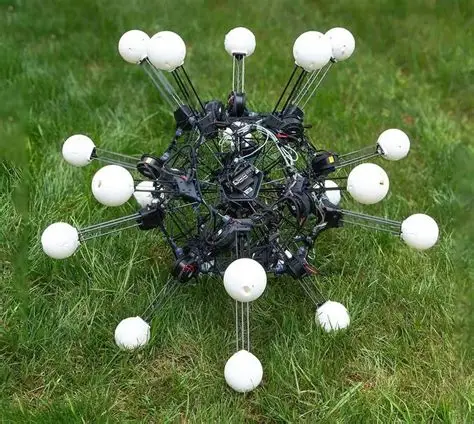
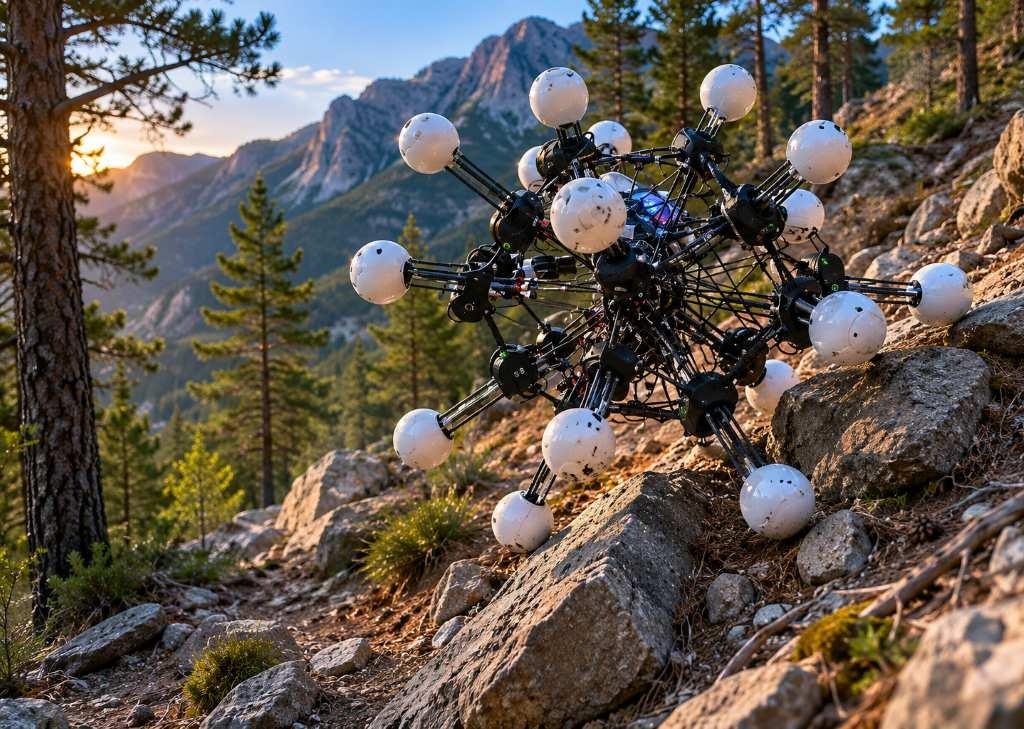
- Researchers at Duke University [Durham, North Carolina] have created an unusual new robot called Argus, designed to move and “see” in any direction instantly.
- Unlike many robots that are built to resemble humans, dogs, or insects, the engineers behind Argus wanted to rethink robot design from the ground up. Instead of copying nature’s shapes, they focused on making a robot that can move equally well in every direction.
- Argus looks a bit like a spiky ball or sea urchin. It has 20 telescoping legs, each equipped with a depth-sensing camera, all connected to a central core.
- Because it has no front, back, top, or bottom, the robot can instantly change direction without needing to turn around. This gives it a major advantage in rough or unpredictable environments.
- In tests, Argus successfully traveled across beaches, forests, and uneven ground, rolled over obstacles, and recovered quickly after being pushed. It can even climb between close walls and keep functioning if some legs or motors stop working.
- Researchers say this resilience could make it useful for dangerous jobs such as search-and-rescue missions or exploring difficult terrain.

Story 4: Genetically Engineered Hookworms Developed to Produce and Deliver Therapeutic Agents
Source: Bioengineer.org
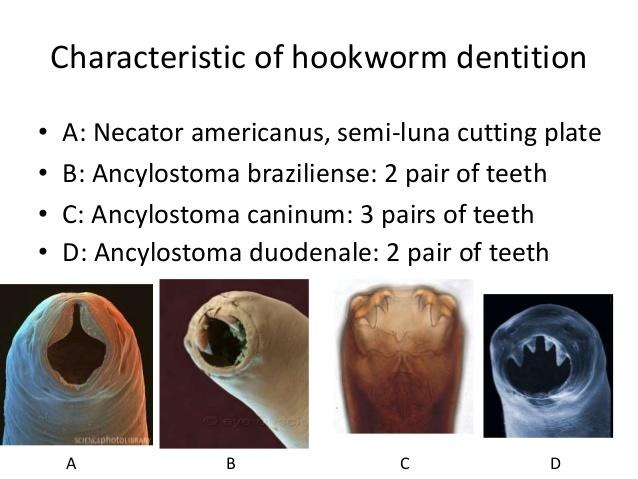

- Researchers at Washington University School of Medicine have genetically engineered hookworms to act as living drug factories inside the body.
- Instead of causing disease, these modified parasites are designed to produce and deliver helpful medicines over long periods of time. This could eventually provide a new way to treat chronic illnesses or protect people from dangerous toxins.
- As a proof of concept, the scientists altered the hookworm’s DNA so it could produce an antibody that neutralizes tetrodotoxin, a powerful poison found in pufferfish and some other marine animals. There is currently no approved antidote for this toxin.
- The researchers infected animals with the engineered hookworms and found that the worms successfully released the antibody into the host’s body, where it helped neutralize the poison.
- Hookworms are attractive for this purpose because they can live in the human intestine for years and naturally secrete molecules into their host.
- Importantly, they cannot multiply inside the body, so the number of worms remains controlled. If needed, they can also be eliminated quickly with standard antiparasitic medication.
- The researchers believe this technology could eventually be adapted to deliver many different therapeutic proteins, especially for intestinal disorders such as Crohn’s disease and Ulcerative colitis.
- However, the work is still in its early stages, and further research is needed to improve effectiveness and ensure safety before human use.
- The study represents the first successful creation of genetically modified human hookworms that can continuously produce a functional therapeutic protein inside a living host, opening the door to a new type of long-lasting “living medicine.”

Honorable Mentions
Story: Robots Could Turn E-Waste into a Source of Legacy Chips – This startup wants to recover usable RAM before circuit boards are shredded
Source: IEEE Spectrum Story by Shannon Cuthrell
Link: https://spectrum.ieee.org/e-waste-recycling-robots-ram
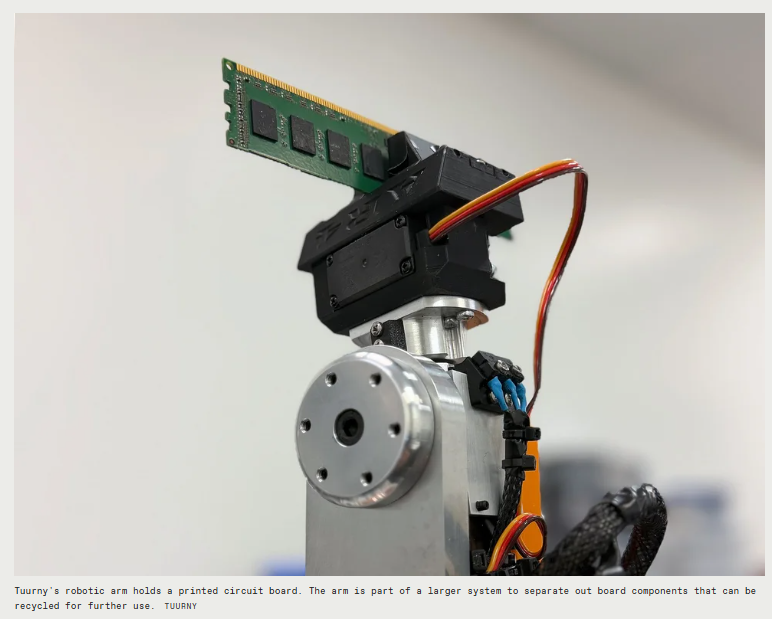
- Electronic waste (e-waste) is one of the fastest-growing waste streams in the world, and most recycling methods recover only a fraction of the value hidden inside discarded electronics.
- A startup called Tuurny is developing robots that could change that by removing valuable computer chips from circuit boards before the boards are shredded.
- The company’s first target is RAM chips, which are often still useful in older equipment where replacement parts are difficult to find.
- Its robotic system, called Nantul, uses computer vision, machine learning, controlled heating, and suction tools to identify and carefully remove chips from electronic boards.
- The system can reportedly recover about 300 RAM chips per hour while keeping them intact for potential reuse.
- Instead of shredding electronics first and sorting the materials afterward, Tuurny’s approach reverses the process. Components are identified and removed before the remaining materials are recycled. Recovered chips can be tested and resold, while metals such as copper and aluminum can be sent to refiners.)
- The company plans to deploy dozens of machines through a partnership with Areera in the United Kingdom beginning in 2027.
- Experts say the technology is promising because RAM chips are relatively standardized and valuable.
- Reality check: However, major challenges remain. Used circuit boards vary widely in design and condition, making it difficult for robots to identify parts, remove them without damage, and do so economically at scale.
- The success of the business will depend on whether the robots can operate reliably and cheaply enough to justify their costs.
////////////////////////////////////////////////////////////////////////////////////////////////////////////////////////////////////////////
Story: Scientists Found a Remarkable Way to Help Kids Like Vegetables
Source: ScienceAlert.com Story by David Nield
Link: https://www.sciencealert.com/scientists-found-a-remarkable-way-to-help-kids-like-vegetables

-
Key discovery – Exposure in the womb shapes later food preferences.
A small UK study (Durham University & Aston University) found that toddlers reacted more positively to vegetables their mothers consumed during late pregnancy.
-
Fetuses can taste and smell by the third trimester.
By ~28 weeks, flavors from the mother’s diet pass into the amniotic fluid, allowing the fetus to experience them.
-
Long-lasting flavor memory.
At age three, children exposed prenatally to carrot or kale showed more “happy face” reactions to those same odors compared to vegetables they weren’t exposed to.
- How the Study Worked
- Pregnant participants consumed carrot or kale capsules at 32 and 36 weeks.
- Researchers recorded fetal facial expressions via ultrasound after exposure.
- At age three, 12 children were tested again using cotton swabs with carrot and kale odors.
- Reactions were coded as positive (“happy face”) or negative (“cry face”).
- Why It Matters
- Suggests a prenatal window where mothers’ diets can influence children’s future acceptance of vegetables.
- Could help reduce early childhood aversion to healthy foods.
- Adds to evidence that taste learning begins before birth.
////////////////////////////////////////////////////////////////////////////////////////////////////////////////////////////////////////////
Story: This Groundbreaking Hydrogen Engine Could Rival Diesel Power Without the Emissions
Source: BGR.com Story by Jonathan Sayers
Link: https://www.bgr.com/2167090/groundbreaking-hydrogen-engine-no-emissions-diesel/
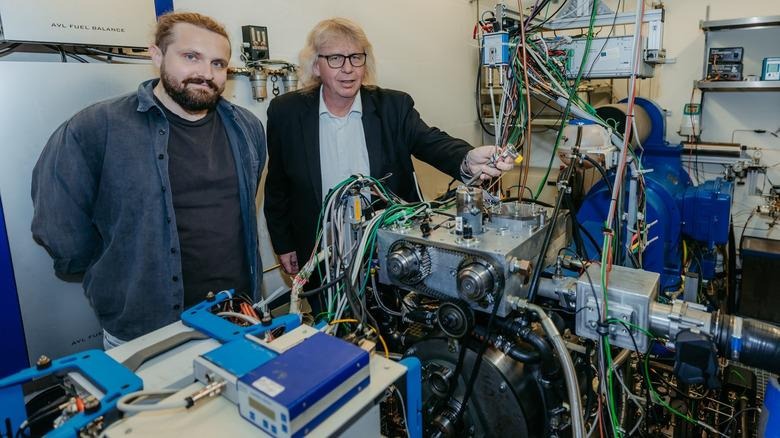
- A team of researchers at Otto von Guericke University Magdeburg has developed a new type of hydrogen-powered engine that could one day compete with diesel engines while producing almost no harmful emissions. The project is led by Hermann Rottengruber and builds on earlier work with a technology called the Argon Power Cycle.
- Unlike conventional diesel engines, which burn fuel in air and create carbon dioxide (CO₂) and nitrogen oxides (NOₓ), this engine uses a closed-loop system filled mostly with argon gas. Because argon replaces the nitrogen normally found in air, the engine avoids producing nitrogen oxide pollution. Hydrogen and oxygen are injected into the system as fuel, and the main byproduct is water.
- The researchers believe the design could achieve thermal efficiencies above 60%, which is better than most modern diesel engines that typically reach around 40–50% efficiency. The engine also recycles much of its argon gas, reducing waste and eliminating the need for expensive exhaust-treatment systems.
- The technology could be especially useful for heavy-duty applications such as trucks, industrial equipment, and other machines that require high power for long periods.
- However, the engine is still experimental. Current limitations include the amount of hydrogen that can be injected per cycle, which restricts power output, and a problem with carbon dioxide buildup inside the closed system. Researchers are working to solve these issues, and major manufacturers have already expressed interest. If successful, this technology could become a cleaner alternative to diesel engines in the future.
////////////////////////////////////////////////////////////////////////////////////////////////////////////////////////////////////////////
Story: New thermal imaging system detects early melanoma before it is visible
Source: News Medical Life Sciences
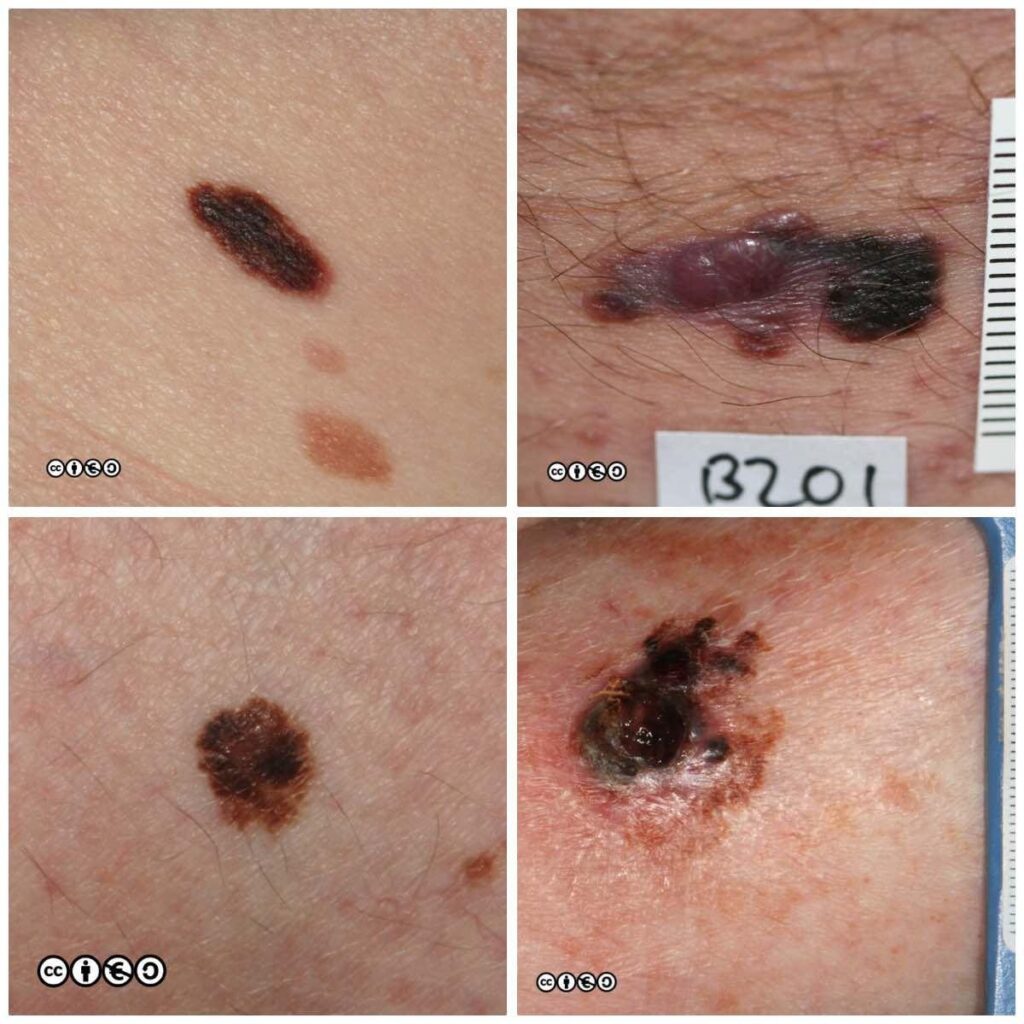
- Researchers from Institut national de la recherche scientifique (INRS) and Université de Montréal have developed a new melanoma-detection technology called SMEAR-ULM that may identify skin cancer before it becomes visible to the naked eye. The findings were published in Nature Sensors.
- How it works
- The system uses a patch of painless microneedles that deposits specialized nanoparticles just beneath the skin, creating a temporary “intelligent tattoo.”
- These nanoparticles act as microscopic thermometers. When illuminated with near-infrared light, they emit signals whose duration depends on local temperature.
- Because cancer cells tend to have higher metabolic activity and generate more heat, the system can detect tiny temperature differences associated with very early tumors.
- What makes it different
- Traditional thermal imaging methods often have insufficient resolution and generally detect only larger tumors that are already visible. SMEAR-ULM combines microneedles, temperature-sensitive nanoparticles, and ultrafast imaging to create detailed thermal maps with high sensitivity and submillimeter resolution in a single snapshot.
- Key results
- In mouse studies, the technology detected micro-melanomas only four days after they formed, at a stage too small for conventional imaging or visual inspection to identify. Researchers believe this could allow clinicians to find aggressive melanomas much earlier than current methods permit.
- Potential benefits
- If successfully translated to humans, the technology could:
- Improve early melanoma diagnosis.
- Reduce unnecessary biopsies.
- Provide a rapid, minimally invasive way to evaluate suspicious skin lesions.
- Potentially be adapted to measure other biological markers such as pH or ion concentrations for broader medical imaging applications.
- Important caveat – The research has so far been conducted in mice, not human patients. Although the mouse model was designed to mimic genetic changes seen in human melanoma, clinical studies in humans will be needed before the technology can become part of routine medical practice.
- Bottom line: The study describes a promising “smart tattoo” technology that detects subtle heat signatures from tiny melanomas long before they are visible, potentially enabling earlier diagnosis and treatment while reducing unnecessary biopsies.