


Show Notes 6 November 2026
Text highlighted in blue identifies notes I have inserted.
Story 1: Genetically Engineered Yeast Could Build the First Martian Outpost
Source: UniverseToday.com Story by Andy Tomaswick
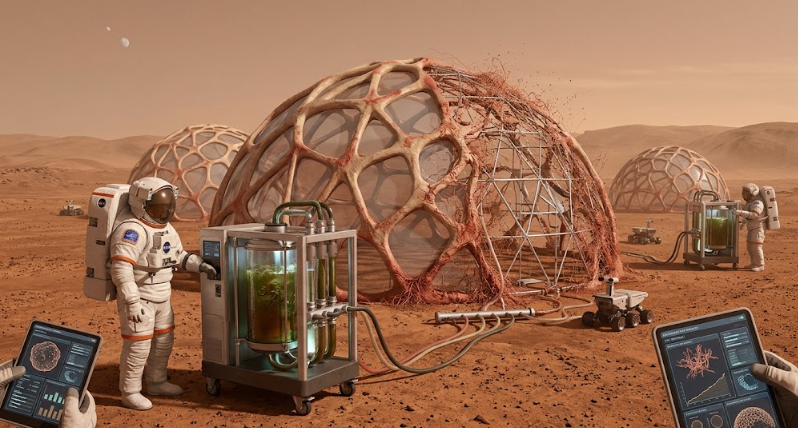
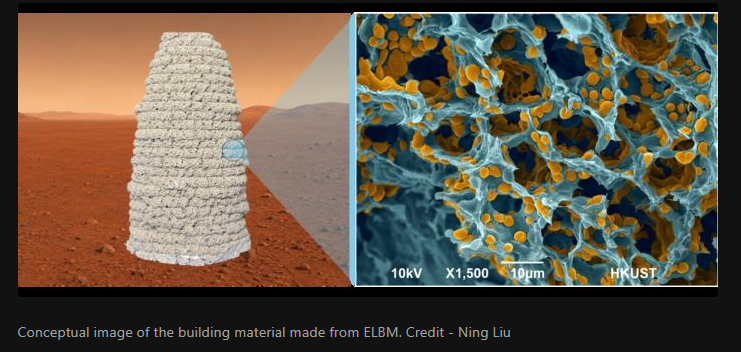
- Scientists are exploring an unusual way to build future homes and shelters on Mars: using genetically engineered baker’s yeast to help produce a concrete-like building material.
- Transporting construction materials from Earth to Mars would be extremely expensive. One alternative is to use Martian soil, known as regolith. Current proposals often involve heating this soil to extremely high temperatures to create a solid building material, a process that requires enormous amounts of energy.
- Researchers at the Hong Kong University of Science and Technology have developed an alternative called Engineered Living Building Material.
- It combines local sand, gelatin, and genetically modified yeast. The yeast produces special proteins that act like glue, helping sand grains stick together. Other genetic modifications strengthen these connections and help the material withstand freezing.
- The mixture is prepared under warm, controlled conditions. When exposed to Mars-like conditions, water escapes from the material, leaving behind a solid structure.
- Laboratory tests showed promising strength, and the process used nearly 100 times less energy than traditional high-temperature methods for processing Martian soil. The material could also be recycled and reshaped.
- However, important challenges remain. Mars has toxic chemicals in its soil and intense ultraviolet radiation that could harm biological materials.
- The material is also porous, meaning habitats would need a separate airtight lining to retain breathable air. Furthermore, gelatin would initially need to be transported from Earth.
- Although practical Martian construction remains a distant goal, this research offers a potentially energy-efficient way to build future space settlements using locally available materials.

Story 2: Bacteria turn 3D-printed sand into solid building materials – Researchers combine bacteria, 3D printing and robotic spraying to turn sand into solid architectural elements without high-temperature processing.
Source: Nanowerk.com
Link: https://www.nanowerk.com/news2/biotech/newsid=70409.php
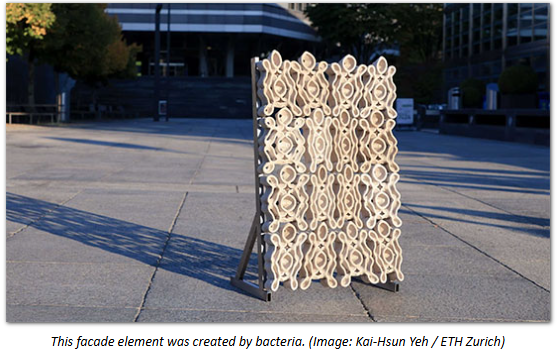
- Researchers at ETH Zurich in Switzerland [that is the Swiss Federal Institute of Technology Zurich] have developed an innovative way to create building materials using sand, bacteria, 3D printing, and robotic technology. The approach could offer an alternative to conventional cement manufacturing, which produces significant carbon dioxide emissions.
- The process, called biocementation, uses bacteria called Sporosarcina pasteurii to create a natural mineral binder. The bacteria help produce calcium carbonate, the same mineral found in limestone and chalk. Tiny crystals form between grains of sand, locking them together into a solid structure.
- In one method, researchers mix sand, living bacteria, and a gel-like substance into a printable material.
- A 3D printer shapes the mixture into a desired design. The printed object is then placed in a special solution that supplies the ingredients needed for mineral formation.
- Over two to five days, the material hardens at room temperature without requiring high-temperature heating.
- A second method uses a robotic arm to spray sand, bacteria, and mineral-forming ingredients onto a surface, building up layers. This approach could eventually be useful for creating architectural surfaces and decorative structures.
- Researchers have already produced building components, including a facade element that could provide shade or serve as a partition.
- However, the technology still faces challenges. The process produces ammonium, a chemical by-product that can harm the environment if not properly managed. Researchers must also improve the material’s strength and durability before it can be used in load-bearing structures.

Story 3: Caterpillar partners with FieldAI for equipment automation – The heavy equipment manufacturer will combine its construction industry expertise with the startup’s tech to enable autonomous capabilities for its machines
Source: Construction Dive Story by Matthew Thibault
Link: https://www.constructiondive.com/news/caterpillar-partners-fieldai-equipment-automation/829708/
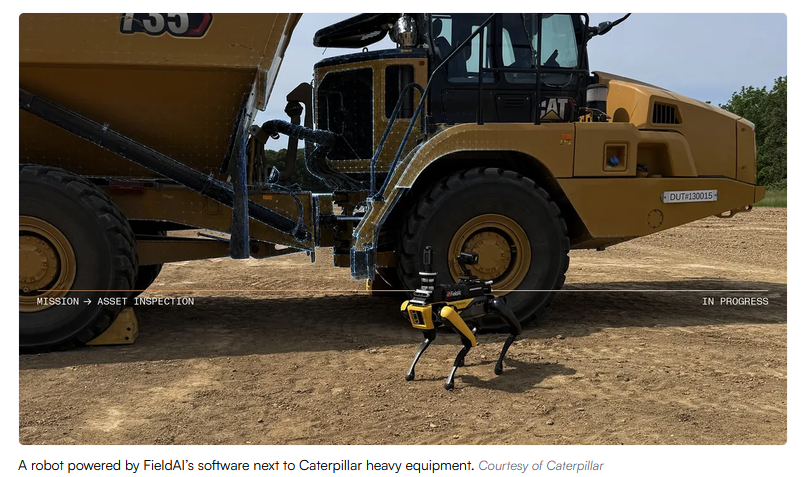
- Caterpillar, one of the world’s largest manufacturers of construction equipment, is partnering with FieldAI, a company that develops artificial intelligence for robots. The goal is to make Caterpillar’s excavators, loaders, bulldozers and other machines capable of operating more independently on construction sites.
- The partnership will combine Caterpillar’s knowledge of heavy equipment and construction operations with FieldAI’s AI software and “foundation models” for robots. These systems are designed to help machines understand changing environments and make decisions without requiring constant human control.
- The companies plan to develop technology that improves safety, productivity and efficiency. Early applications may include autonomous inspections, digital copies of jobsites and facilities, and better awareness of potential hazards.
- One challenge facing construction robotics is that jobsites are constantly changing. Uneven ground, unexpected obstacles and different work conditions can make it difficult for autonomous machines to function reliably. FieldAI’s technology is designed to work in complex industrial environments and adapt to these changing conditions.
- Rather than completely replacing human workers, Caterpillar says the future will involve combining human expertise with AI-powered machines.

Story 4: Nanoparticles induce neuroregeneration in Alzheimer’s disease models
Source: Phys.org Story by Robert Egan
Link: https://phys.org/news/2026-08-nanoparticles-neuroregeneration-alzheimer-disease.html
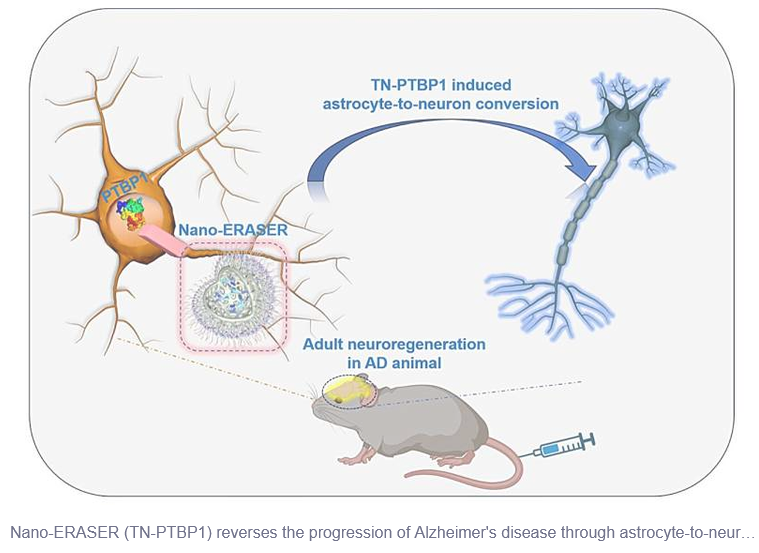
- Researchers at the University of South Carolina have developed a nanoparticle treatment that may one day help repair brain damage caused by Alzheimer’s disease. The experimental therapy, called Nano-ERASER, was tested in human brain-like organoids and mice with Alzheimer’s disease.
- Unlike current Alzheimer’s treatments, which primarily slow disease progression, this approach attempts to replace damaged or lost nerve cells.
- The nanoparticles cross the blood-brain barrier and enter astrocytes, star-shaped support cells found throughout the brain. Once inside, they deliver antibodies that break down a protein called PTBP1. Reducing this protein causes some astrocytes to transform into functioning neurons.
- Side note – Astrocytes are star-shaped cells in the brain and spinal cord that belong to a group of support cells called glial cells.
- Their main jobs include:
- Supporting neurons (nerve cells) structurally and chemically.
- Providing nutrients to neurons.
- Helping regulate chemicals around neurons, including neurotransmitters.
- Maintaining the blood-brain barrier, which helps protect the brain from harmful substances.
- Repairing tissue after brain or spinal cord injury by forming scar tissue.
- Helping control blood flow to active areas of the brain.
- Think of neurons as the brain’s “electrical wiring” and astrocytes as part of the “maintenance and support crew” that keeps everything working properly.
- Side note – PTBP1 stands for Polypyrimidine Tract-Binding Protein 1. It is a gene that encodes an RNA-binding protein involved in regulating how RNA molecules are processed inside cells
- In laboratory tests using human cells and brain organoids, the newly created neurons appeared healthy and functional.
- In Alzheimer’s mice, treatment increased neuron density, reduced inflammation, and lowered levels of amyloid-beta, a protein associated with the disease.
- The treated mice also showed improved behavior, including better nesting skills and improved performance in water-maze tests measuring learning and memory.
- The researchers emphasize that the treatment has only been tested in laboratory models and mice, not humans.
- The University of South Carolina team is planning for additional studies in nonhuman primates before considering human clinical trials. While promising, the research is still an early step toward a possible regenerative treatment for Alzheimer’s disease.

Honorable Mentions
Story: RIT researchers improve prosthetics with new materials, sensors, and bioprinting breakthroughs – Collaborative approach has the potential to improve quality of life for prosthetic users
Source: Rochester Institute of Technology Story by Michelle Cometa
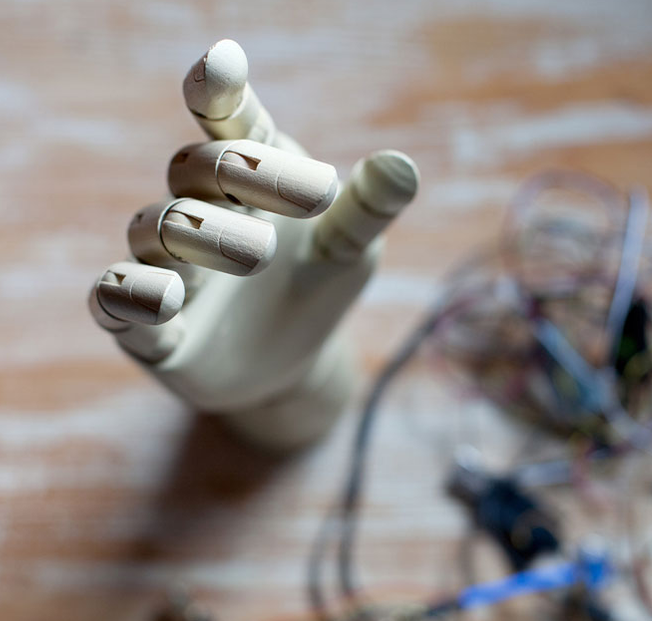
- Researchers at the Rochester Institute of Technology (RIT) are developing a new approach to making prosthetic fingers and hands more natural, comfortable, and affordable. Their work combines several technologies that are usually developed separately: advanced materials, electronic sensors, mechanical engineering, and 3D bioprinting.
- The research team, which includes scientists from RIT’s campuses in Rochester, New York, and Dubai, developed prosthetic structures using a combination of biodegradable thermoplastic and heat-resistant silicone. These materials were selected to provide a balance of strength, flexibility, and compatibility with the human body.
- The researchers also developed improved 3D-printing techniques that allow prosthetics to be customized for individual patients. This is important because every person’s anatomy, movement requirements, and physical needs are different.
- Another major advance involves “smart” sensors. Using piezoelectric materials, the sensors can detect touch and pressure, potentially giving prosthetic users a better sense of how strongly they are gripping an object.
- The project combines all these technologies into a single, more complete prosthetic system. The researchers believe their approach could eventually lead to affordable, personalized prosthetics that function more like natural fingers and hands.
- The work is still at the prototype and research stage, but it demonstrates how combining different areas of engineering could significantly improve the future of prosthetic devices.
////////////////////////////////////////////////////////////////////////////////////////////////////////////////////////////////////////////
Story: Scientists turn seawater into fresh water without harmful brine – A new solar-powered desalination system could turn seawater into fresh water while eliminating brine waste and even harvesting valuable lithium.
Source: ScienceDaily.com Story from University of Rochester
Link: https://www.sciencedaily.com/releases/2026/09/260915100137.htm
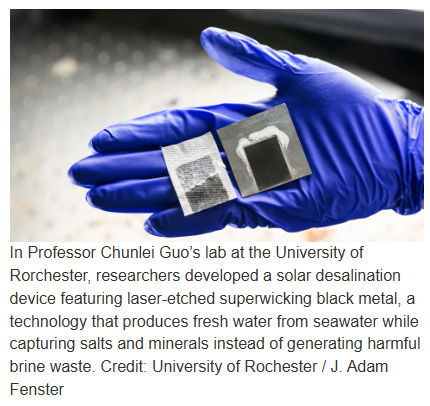
- Scientists at the University of Rochester have developed a solar-powered desalination system that could produce fresh water from seawater without creating harmful liquid brine. The technology addresses one of the major environmental problems associated with conventional desalination, which often leaves behind highly concentrated saltwater that can damage marine ecosystems when discharged into the ocean.
- The new system uses specially engineered black metal panels treated with extremely fast femtosecond laser pulses. This treatment creates microscopic surface structures that absorb nearly all incoming sunlight and cause water to spread rapidly across the metal. As sunlight heats the thin layer of seawater, the water evaporates and can be collected as fresh water.
- Unlike conventional systems, the salt and other minerals do not remain concentrated in liquid brine. Instead, they are moved away from the evaporation area and deposited as solid materials on separate parts of the panel. This self-cleaning design helps prevent salt buildup from clogging the system and reduces the need for chemical pretreatment or frequent maintenance.
- Researchers also found that valuable minerals, including lithium, might potentially be recovered from the collected salts. The technology was tested using real seawater and is described in the journal Light: Science & Applications.
- While still in development, the approach could offer a more environmentally friendly and potentially resource-producing alternative to traditional desalination plants.
////////////////////////////////////////////////////////////////////////////////////////////////////////////////////////////////////////////
Story: A genetic parasite may explain why humans and other apes lack tails – Not having a tail is one way apes differ from monkeys
Source: Science News Story by Erin Garcia de Jesús
Link: https://www.sciencenews.org/article/genetic-parasite-humans-apes-tail-loss-evolution
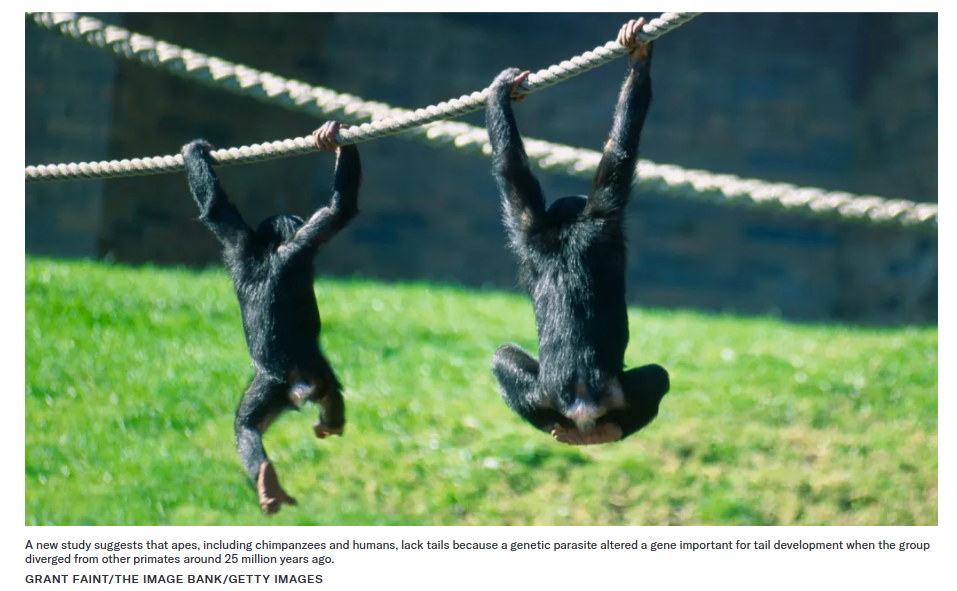
- A new study offers a possible explanation for one of the most noticeable differences between humans and monkeys: humans and other apes do not have tails.
- Researchers [from New York University, New York City, The Broad Institute of MIT and Harvard, believe the change may have happened about 25 million years ago, when apes evolved separately from Old World monkeys.
- The key discovery involves a small piece of repetitive DNA called an Alu element. These genetic sequences, sometimes called “jumping genes,” can insert themselves into other parts of DNA.
- Scientists found that an Alu element inserted itself into the Tbxt gene, which plays an important role in developing tails in vertebrates.
- In monkeys, this gene functions normally. In humans, chimpanzees, and other apes, the genetic insertion changes how the gene is processed, producing a different version of its protein.
- To test the theory, researchers genetically modified mice to produce the ape-like version of the Tbxt protein. The mice developed tails of varying lengths, including some with no tails at all. However, some also developed spinal abnormalities similar to spina bifida.
- The findings suggest that losing our tails may have resulted from a single genetic change that became permanent through evolution. Researchers emphasize that this does not explain why tail loss occurred or whether it helped apes survive. Other genes may also have contributed.
- The discovery provides new insight into how seemingly small changes in DNA can produce major evolutionary differences between species.
////////////////////////////////////////////////////////////////////////////////////////////////////////////////////////////////////////////
Story: Thinner than a dime, these new light-powered soft robots can keep jumping forever – A soft jumping robot that twists itself tight under an infrared lamp, snaps its tail on the ground, and resets in mid-air to jump again
Source: Earth.com Story by Eric Ralls
Link: https://www.earth.com/science/light-powered-jumping-soft-robot-ring-leaper/
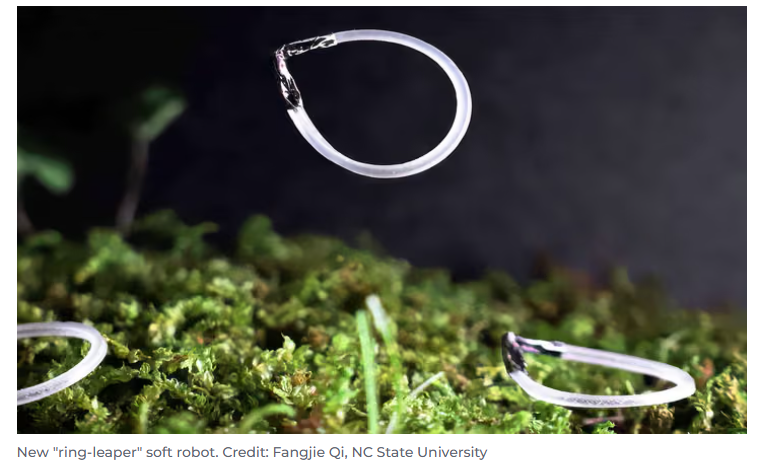
- Researchers at North Carolina State University have developed a tiny, soft robot that can repeatedly jump using only infrared light. Called the “ring leaper,” the robot is made from a teardrop-shaped piece of heat-sensitive rubber and a small aluminum tube. It has no motor, battery, or electronic controls.
- When exposed to infrared light, the rubber heats up and contracts, causing the robot to twist and store elastic energy. Once the tension reaches a certain point, the robot suddenly releases the stored energy, snapping its tail against the ground and launching itself into the air. While airborne, the rubber relaxes and automatically returns to its original shape, allowing the robot to jump again when it lands.
- The researchers tested the robots jumping more than 500 times in succession. By changing the angle of the aluminum tube and adjusting the robot’s weight distribution, they could make it crawl, jump forward, or leap vertically more than 80 times its own height.
- Tests on grass, sand, slopes, and water demonstrated that the robots could navigate uneven environments, although steering remains a major challenge. The researchers believe this technology could eventually contribute to environmental monitoring, swarm robotics, and navigation across difficult terrain. Future versions might operate using sunlight or wireless power instead of a laboratory infrared lamp.