


Show Notes 7 August 2026
Text highlighted in blue identifies notes I have inserted.
Story 1: Researchers invent ‘new type of pixel’ that could create displays that double as cameras — and the internet’s first thought is ‘what could go wrong?’
Source: TechRadar.com Story by David Nield
See the research paper here: https://www.nature.com/articles/s41586-026-10681-7

- Researchers at ETH Zurich [Switzerland’s flagship science-and-technology university] have developed a revolutionary new type of pixel that can both display images and capture them at the same time.
- Traditionally, display pixels only emit light while camera pixels only detect light. This breakthrough combines both jobs into a single “bidirectional” pixel, potentially allowing future screens to double as cameras.
- The new technology, called a Fourier pixel, is built using tiny nanostructures that manipulate light in sophisticated ways.
- Unlike ordinary pixels, it can both control and measure a light wave’s brightness, direction, phase, and polarization.
- These advanced capabilities could eventually improve not only smartphones and laptops but also holographic displays, optical communications, adaptive optics, and even quantum computing systems.
- However, the invention is still at the laboratory stage. Current prototypes require laser light instead of normal ambient lighting and can only display fixed images rather than the moving graphics used on today’s screens.
- Researchers believe these limitations can be overcome with further development, but practical consumer products are still years away.
- Despite the exciting possibilities, many people online immediately raised privacy concerns. If every display could also function as a camera, it could make hidden surveillance much easier.
Story 2: What if AI could move your hand? Students build a wearable device using AI and electric pulses
Source: Newswav.com
See video here: https://www.youtube.com/watch?v=CNZISV6zie4&t=3s
And here: https://www.youtube.com/watch?v=iNPIc3lu6rI&t=2s
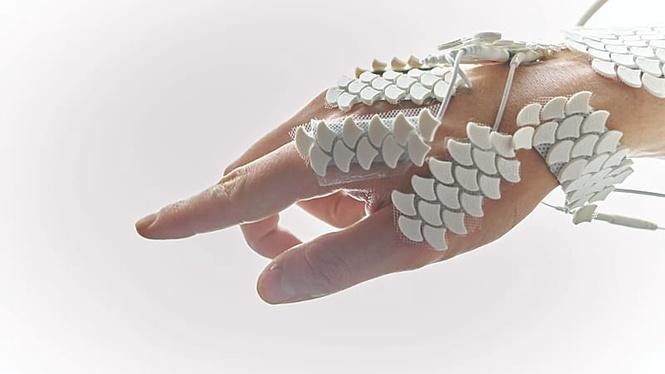
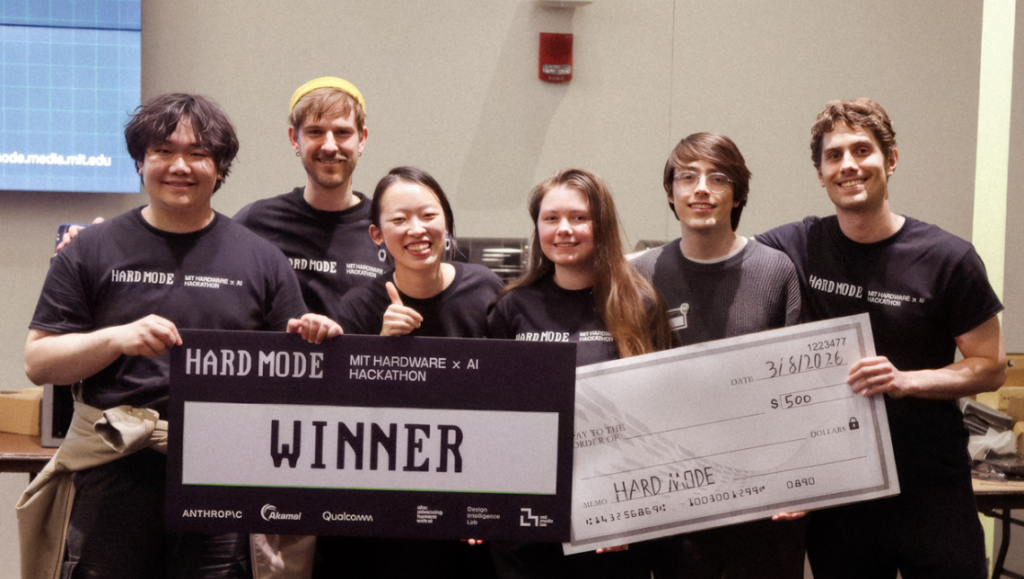
- A team of software engineering students at the Massachusetts Institute of Technology created a wearable device that uses artificial intelligence and small electrical pulses to guide a person’s hand movements.
- The project, called Human Operator, was built in just 48 hours during the MIT Hard Mode 2026 hackathon [held in March] and won the event’s Learn Track award.
- The system combines a head-mounted camera, an AI vision-language model, and electrical muscle stimulation pads worn on the wrist or forearm.
- The camera lets the AI see the user’s surroundings while also understanding spoken instructions.
- It then decides what hand movement is needed and sends gentle electrical signals to the muscles, causing the hand or fingers to move in the correct way.
- In demonstrations, the device helped users wave, play simple piano notes, and make hand gestures such as the “OK” sign. The students describe the technology as a way for AI to briefly assist a person’s movements, making it easier to learn new physical skills or complete certain tasks.
- Although the prototype is still experimental, the technology could have useful future applications in physical rehabilitation, physiotherapy, and skill training.
- Since electrical muscle stimulation is already used in some medical treatments, combining it with AI may eventually help people recover movement after injuries or receive guided physical assistance in everyday activities.
Story 3: This Jacket Pulls Drinking Water from Thin Air – The advance in fabric technology comes alongside a new benchmark for atmospheric water harvesting
Source: University of Texas at Austin website
Link: https://news.utexas.edu/2026/06/11/this-jacket-pulls-drinking-water-from-thin-air/
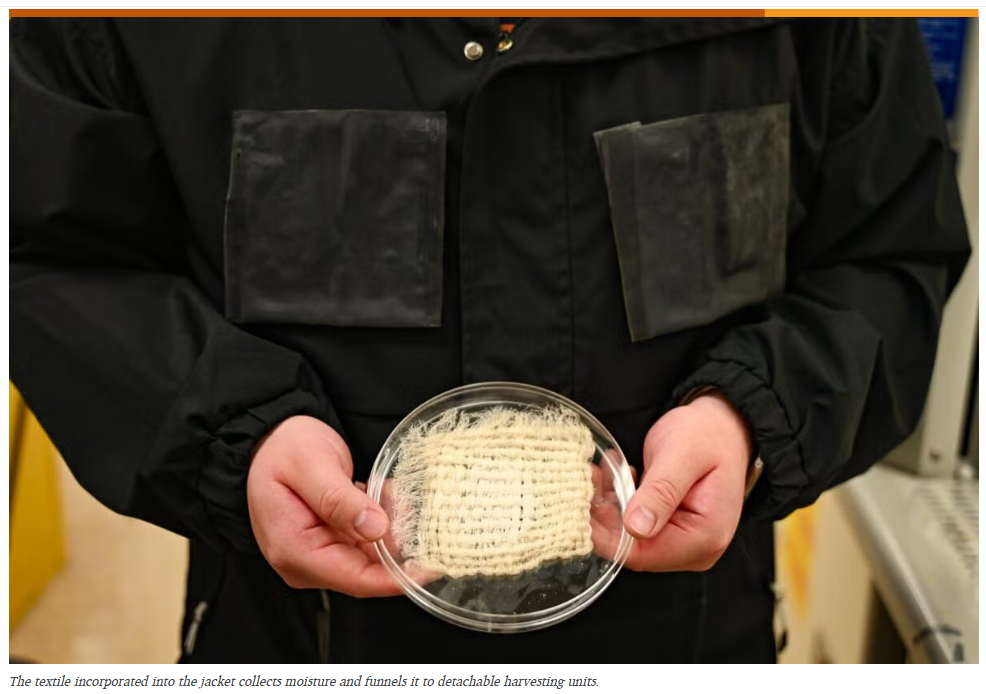
- Researchers at The University of Texas at Austin have developed an experimental jacket that can pull drinking water directly from the air, offering a wearable solution for people in dry or remote environments.
- Side note – kind of potential add-on to the tech in the movie Dune, where people wear specialized clothing called stillsuits that reclaim nearly all the water the body loses.
- The jacket uses a special fabric made of biomass-based hydrogel fibers that absorb moisture from the atmosphere. Instead of simply trapping water, the fibers are designed with tiny open pores that help move the moisture through the fabric and into detachable collection units.
- What makes this technology stand out is efficiency:
- In outdoor testing across different humidity conditions, the jacket produced between 400 and 900 milliliters of drinkable water per day—roughly 14 to 30 ounces [that’s a little less than a one liter bottle of soda pop].
- That’s enough to significantly help with hydration and is reported to be three to ten times more effective than many existing atmospheric water-harvesting materials of similar size.
- The system works by using sunlight as the energy source.
- Once the detachable water units are full, they can be heated in a small foldable collector, releasing the stored moisture as liquid water. This avoids bulky refrigeration systems, making it lighter and more practical for field use.
- The researchers see potential uses for hikers, soldiers, emergency responders, and communities facing water shortages.
- Beyond jackets, the same fabric could be used in tents, backpacks, and shelters, turning everyday gear into portable water sources.
Story 4: Lab-Grown Retinal Cells Show Promise for New Eye Therapies – Critical cells that line retinal blood vessels grown from stem cells restore retinal function in mouse models and form retinal tissue in a lab for future disease studies
Source: Duke University Pratt School of Engineering Story by Ken Kingery
Link: https://pratt.duke.edu/news/lab-grown-retinal-cells/
See research paper here: https://www.nature.com/articles/s41551-026-01712-9
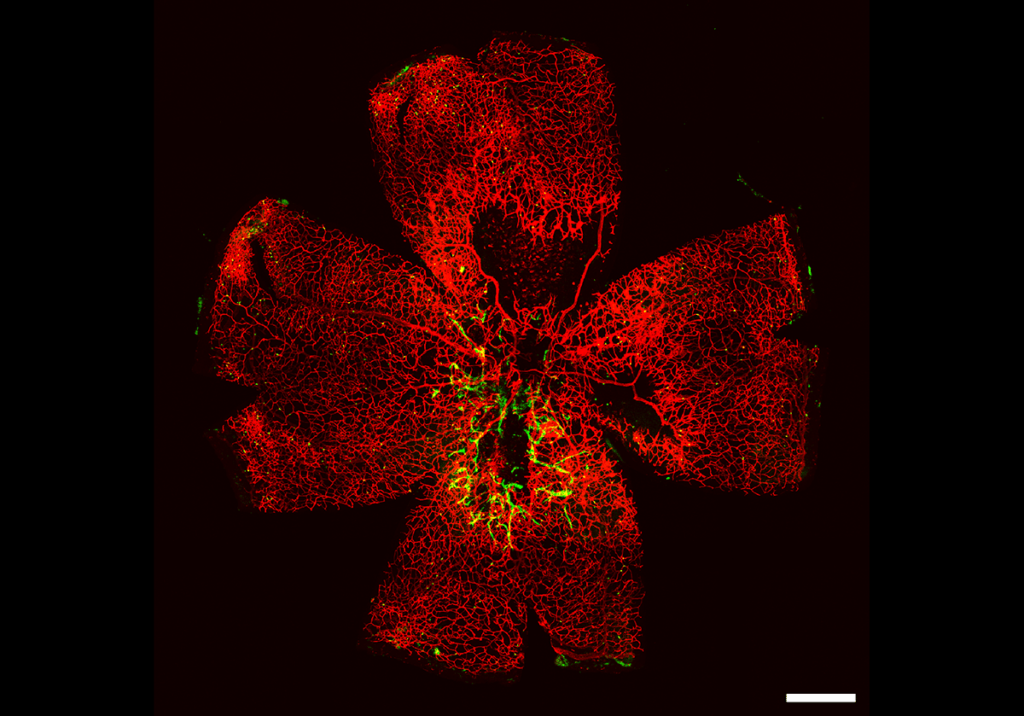
- Researchers at Duke University in North Carolina have achieved an important milestone by creating specialized retinal endothelial cells—the cells that form the tiny blood vessels of the retina—from human induced pluripotent stem cells (iPSCs).
- These stem cells are created by reprogramming adult cells, such as skin or blood cells, so they can develop into many different cell types. Until now, scientists had been unable to reliably produce these highly specialized retinal blood vessel cells in the laboratory.
- The retina depends on these endothelial cells to deliver oxygen and nutrients while maintaining the blood-retina barrier, which protects delicate eye tissue. Damage to these cells contributes to serious vision-threatening diseases, including diabetic retinopathy and age-related macular degeneration.
- The Duke team tested the lab-grown cells in mice with retinal disease. After being injected into damaged eyes, the cells integrated into existing tissue, helped rebuild healthy blood vessels, and improved retinal function.
- The researchers also demonstrated that the cells could organize into realistic retinal vascular tissue in the laboratory, providing a valuable model for studying eye diseases and testing new drugs without relying as heavily on animal experiments.
- Although the work is still in the early research stage and has not yet been tested in humans, it represents a promising step toward future regenerative treatments for blindness.
- The team believes the new technique could eventually provide a reliable source of retinal cells for repairing damaged eyes, screening potential medications, and better understanding how retinal diseases develop.
- The researchers are now pursuing patents and industry partnerships to help advance the technology toward future clinical trials and potential therapies.

Honorable Mentions
Story: Cambridge experts find utterly simple fix for longer lasting EV batteries. Just put some pressure on it – Scientists found a way to make EV batteries last longer without reinventing the battery
Source: Digitaltrends.com Story by Vikhyaat Vivek
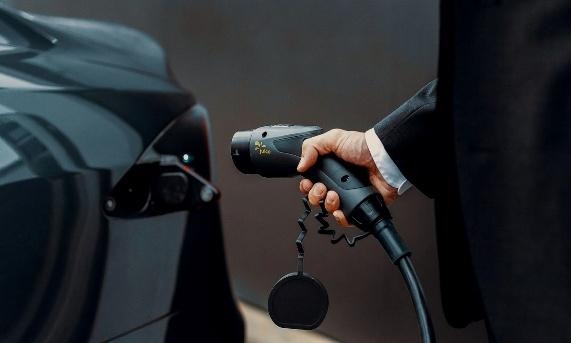
- Simple mechanical pressure can dramatically extend EV battery life. Cambridge researchers discovered that applying constant, controlled pressure to lithium-ion pouch cells can double their lifespan without changing battery chemistry or materials.
- Why pressure helps: Lithium-ion cells expand and contract during charging and discharging—Cambridge compares it to “breathing.” This mechanical motion contributes to internal degradation over time.
- The experiment: Researchers built a device using pneumatic bellows (self-adjusting air cushions) to apply steady pressure while measuring tiny thickness changes during battery cycling.
- The “sweet spot”: Around 12.5 bar (≈181 psi) was the optimal pressure. Too little or too much pressure reduced the benefit.
- Important nuance: This doesn’t mean EV batteries should be crushed. The pressure must be precisely controlled to avoid damage.
If you want, I can also pull out key takeaways, implications for EV design, or a shorter summary.
////////////////////////////////////////////////////////////////////////////////////////////////////////////////////////////////////////////
Story: How Biology Inspired a Former Surgeon to Rethink Robotics
Source: Forbes Magazine Story by Dr. Jonathan Reichental
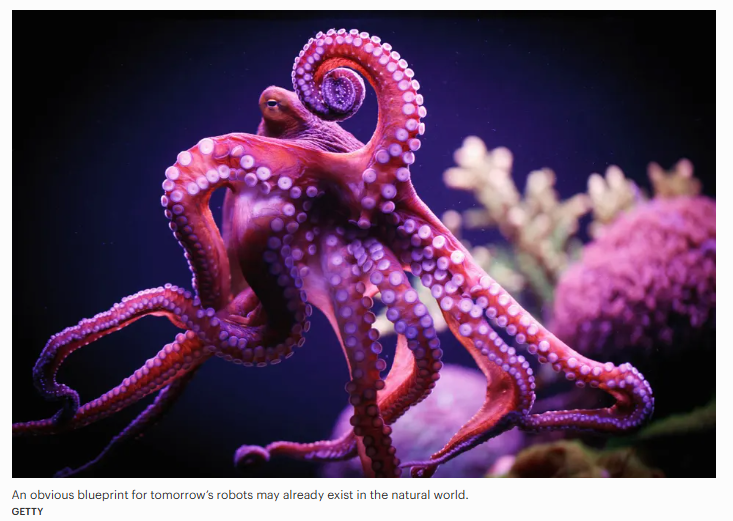
- The article explains how Dr. Jean Nehme, a former reconstructive surgeon, is drawing on ideas from biology to rethink robotics. He founded startup called Morph, which is developing a new approach to building robots inspired by how living organisms move and adapt.
- Traditional robots are usually built from rigid materials like metal and carbon fiber. While these machines can be strong and precise, they struggle to change shape or adapt their physical form to different environments. This limits their usefulness in complex changing real-world situations.
- Morph is creating what it calls soft robotic cells—intelligent materials that can change shape and stiffness in real time. These systems are powered by fluidic mechanisms and enhanced with artificial intelligence, allowing them to sense their surroundings and respond dynamically. The aims to provide platform to design and build flexible robotic systems, similar to how semiconductor companies supply chips.
- Potential applications include healthcare, such as assistive devices and surgical tools, as well as industrial uses where adaptable machines are needed. The broader implication is that robotics may shift from fixed mechanical structures to flexible life-like systems. This could mark a step toward physical AI, where intelligent materials themselves become the foundation of future machines.
////////////////////////////////////////////////////////////////////////////////////////////////////////////////////////////////////////////
Story: MIT’s 6 mW chip lets tiny drones see and map their surroundings in real time – New MIT chip enables tiny drones and robots to create detailed 3D maps while using minimal power
Source: Interesting Engineering Story by Neetika Walter
Link: https://interestingengineering.com/innovation/mit-gleanmer-chip-real-time-3d-mapping
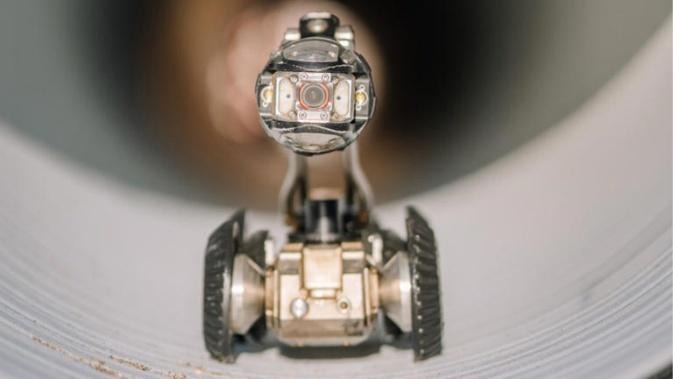
- Researchers at the Massachusetts Institute of Technology (MIT) have developed an ultra-low-power computer chip called Gleanmer that enables tiny robots and other battery-powered devices to create detailed 3D maps of their surroundings in real time. The breakthrough could greatly improve navigation for small drones, inspection robots, and future augmented reality (AR) and virtual reality (VR) devices while using only a tiny amount of electricity.
- Traditional 3D mapping systems consume a great deal of power because they store and process millions of tiny cube-shaped map elements, known as voxels. Gleanmer instead represents the environment with flexible, ellipsoid-shaped “Gaussians,” which capture the same information much more efficiently. This dramatically reduces the amount of memory and computing power required.
- The chip uses only about 6 milliwatts of power—roughly the same as a single LED light—yet it can process more than 88 camera frames per second while building accurate 3D maps. It also answers navigation queries extremely quickly, allowing robots to avoid obstacles and safely plan routes through tight spaces. Compared with previous hardware, Gleanmer cuts map-building energy by up to 63% and map-query energy by up to 81%, while consuming only a fraction of the power used by earlier systems.
- The researchers envision many practical uses for the chip, including robots that inspect industrial pipelines, HVAC systems, tunnels, and other hazardous or confined spaces. It could also benefit lightweight drones, wearable AR glasses, and other portable devices that need continuous environmental awareness without sacrificing battery life. Future versions may become even more energy efficient by placing processing hardware closer to image sensors.
////////////////////////////////////////////////////////////////////////////////////////////////////////////////////////////////////////////
Story: Magnetic muscle implants help amputees feel coordinated prosthetic hand movements
Source: PsyPost on MSN.com
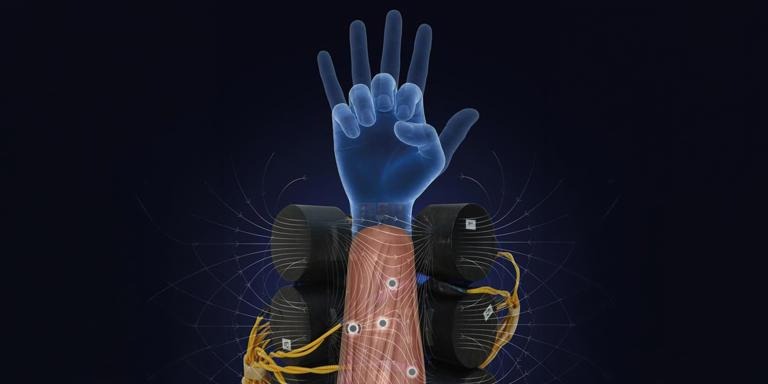
- Researchers [at Scuola Superiore Sant’Anna, an advanced research university in Pisa, Italy] developed tiny vibrating magnets implanted in residual limb muscles that help amputees feel coordinated hand movements when using a prosthetic.
- The study shows the brain interprets movement as whole-hand actions, not isolated finger motions.
- Why this matters:
- After amputation, people lose proprioception (sense of body position) and kinesthesia (sense of movement), making prosthetic use feel mechanical and disconnected.
- Standard prosthetic hands require users to watch the device to know what it’s doing because they can’t feel movement.
- What the new technology does:
- The implanted magnets vibrate in response to muscle activity.
- These vibrations create natural movement sensations without overstimulating the skin.
- This avoids the confusion caused by traditional external vibration methods.
- Users may eventually operate prosthetic hands more intuitively, with less reliance on vision.
- The approach could lead to more advanced prosthetics that restore a realistic sense of motion.
If you want, I can also break this down into a shorter takeaway or explain how the technology works in everyday terms.