


Show Notes 10 July 2026
All medical tech news special
Text highlighted in blue identifies notes I have inserted.
Story 1: First map of nerve circuitry in bone helps physicians identify key signals for bone repair
Source: MedicalXpress.com Story by Robert Egan
Link: https://medicalxpress.com/news/2026-01-nerve-circuitry-bone-physicians-key.html
See research paper here: https://www.science.org/doi/10.1126/science.adr9608
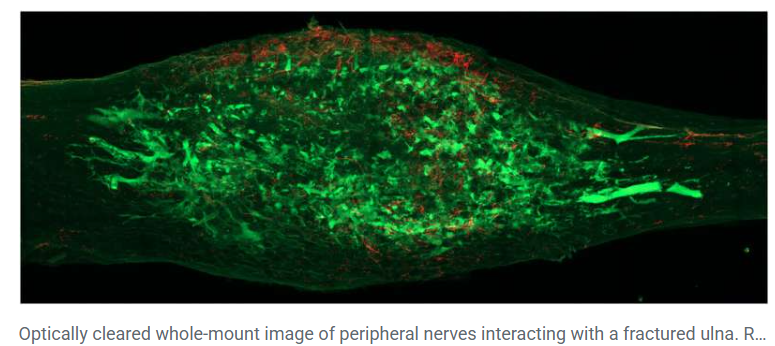
- Scientists have created the first-ever map of the nerve network inside bones, revealing that nerves do much more than just register pain — they actually help lead the rebuilding process after a fracture.
- Led by researchers at Johns Hopkins Medicine, the study looked at how specialized sensory nerve cells, called dorsal root ganglia (DRG) neurons, communicate with bones.
- Traditionally, we view these pain-sensing nerves as simple alarms warning the brain of an injury. However, this research shows that after a bone breaks, these nerves transform into “reconstruction commanders.” They send direct instructions to bone-building cells to kickstart the healing process.
- To map this complex circuitry, the team used an engineered virus to trace the nerve pathways back to the spine, similar to tracing an electrical wire through a wall to find the breaker box. They combined this with gene sequencing to see exactly which proteins individual nerve cells produce before and after an injury.
- Side note – Researchers altered a harmless (or disabled) virus so it could travel along nerve cells and act like a tiny biological tracking device. By following where the virus moved, they could map the connections between nerves and the spinal cord.
- The mapping process revealed three specific signaling proteins responsible for guiding tissue organization, with one called FGF9 standing out as a vital signal for bone repair.
- Understanding this dual role of pain-sensing nerves — acting as both danger alarms and healing managers — opens up exciting possibilities for medicine.
- Scientists hope to use these insights to design new drugs that speed up bone healing. This could be life-changing for patients who typically struggle to heal properly, such as older adults or individuals living with diabetes and neuropathy.
Story 2: Spinach-Based Eye Drops Could Help Treat a Common Eye Condition
Source: ScienceAlert.com Story by David Nield
Link: https://www.sciencealert.com/spinach-based-eye-drops-could-help-treat-a-common-eye-condition
See a really good video from the research team: https://www.youtube.com/watch?v=eL8OuEJeDxY

- Scientists at the National University of Singapore have developed an experimental eye-drop treatment made from spinach that could help people with dry eye disease, a very common condition affecting over a billion people worldwide. Dry eye happens when the eyes don’t produce enough healthy tears, leading to irritation, burning, and inflammation.
- The new treatment uses tiny structures from spinach called thylakoids – the parts of plant cells that normally perform photosynthesis.
- Researchers packaged these into microscopic particles and placed them into eye drops, creating what they call LEAF (Light-reaction Enriched thylakoid NADPH-foundry).
- When these drops are exposed to normal light, the spinach particles produce NADPH, an important molecule that helps protect cells from damage and reduces harmful inflammation.
- In lab-grown human eye cells, mouse experiments, and even tear samples from dry-eye patients, the treatment significantly reduced damaging oxidants and helped repair eye tissue.
- In mice, it worked better than the commonly prescribed drug Restasis after just five days.
- Side note – Restasis works by reducing inflammation in the tear-producing glands so your eyes can make more of their own natural tears. The active ingredient, cyclosporine ophthalmic 0.05%, is an immunomodulator that targets chronic inflammatory processes on the ocular surface — a root cause of many cases of dry eye disease.
- The treatment is still in early testing and hasn’t been tried in humans yet, but researchers are preparing clinical trials. If successful, it could offer a simple, inexpensive, light-powered alternative for treating dry eyes.
Story 3: Engineered blood clots form faster to stop severe bleeding
Source: Medical News Life Sciences
See research paper here: https://www.nature.com/articles/s41586-026-10412-y
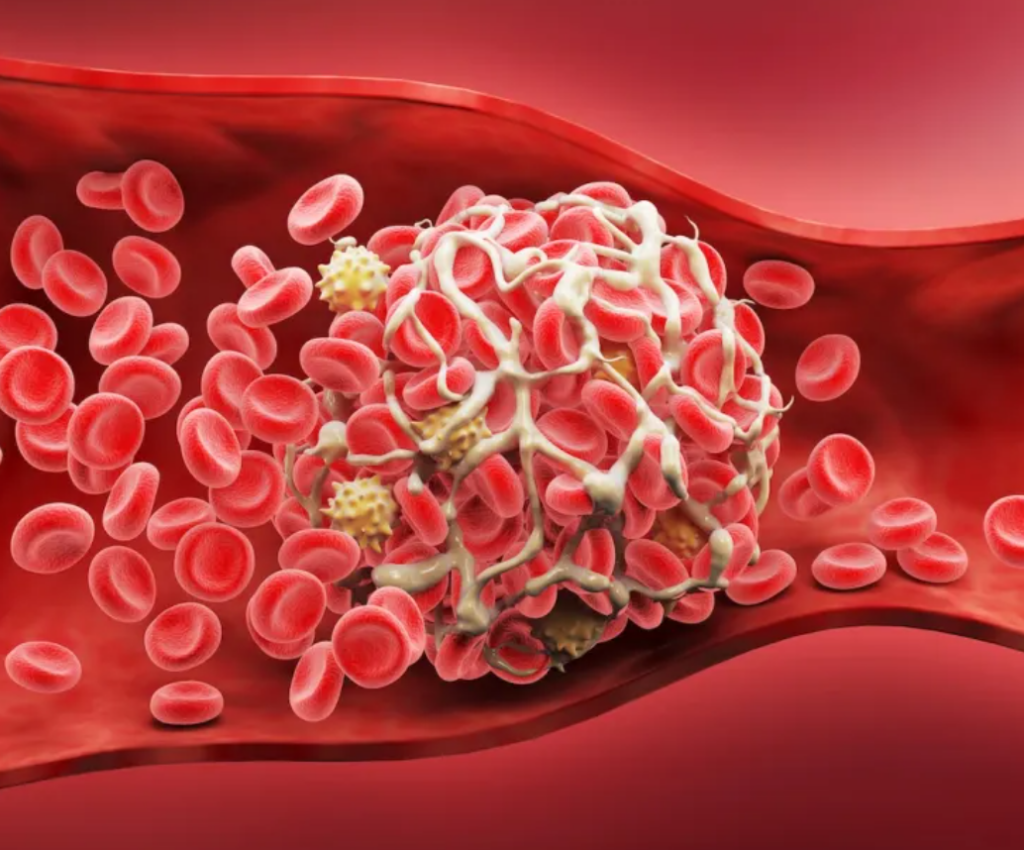
- Researchers at the University of Colorado in Boulder and McGill University have helped develop a new kind of “engineered blood clot” that could stop life-threatening bleeding much faster than the body’s natural clotting process.
- The idea is simple: while natural blood clots rely on platelets and a protein called fibrin to seal wounds, those clots can be slow and fragile during severe injuries like gunshots, surgery, or major accidents.
- The new method, called “click clotting,” strengthens natural clots by linking red blood cells together using a fast chemical reaction. This creates a second, gel-like support network on top of the body’s normal clot, making it much tougher and more stable.
- In lab tests, these engineered clots formed in just five seconds and were far stronger than ordinary clots, with up to 13 times greater toughness and much better ability to stick to tissues.
- A major advantage is safety: because the clot is made mostly from the body’s own red blood cells, it can naturally break down over time, reducing the risk of dangerous blockages. Early animal studies also showed reduced inflammation and better healing.
- If future human trials succeed, this technology could become a major breakthrough for emergency medicine, trauma care, surgery, and battlefield treatment.
Story 4: Stanford scientists regrow lost cartilage and reverse arthritis in major breakthrough – Scientists may have found a way to regrow aging cartilage and stop arthritis before it starts, potentially making joint replacements far less common
Source: ScienceDaily.com
Link: https://www.sciencedaily.com/releases/2026/06/260612021604.htm
See also: https://www.science.org/doi/10.1126/science.adx6649
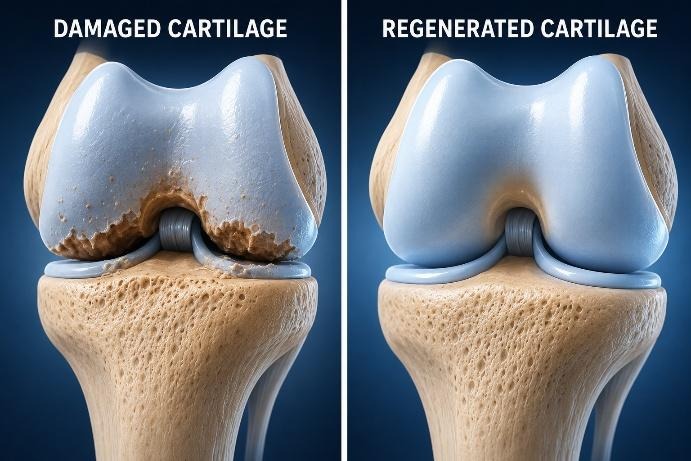
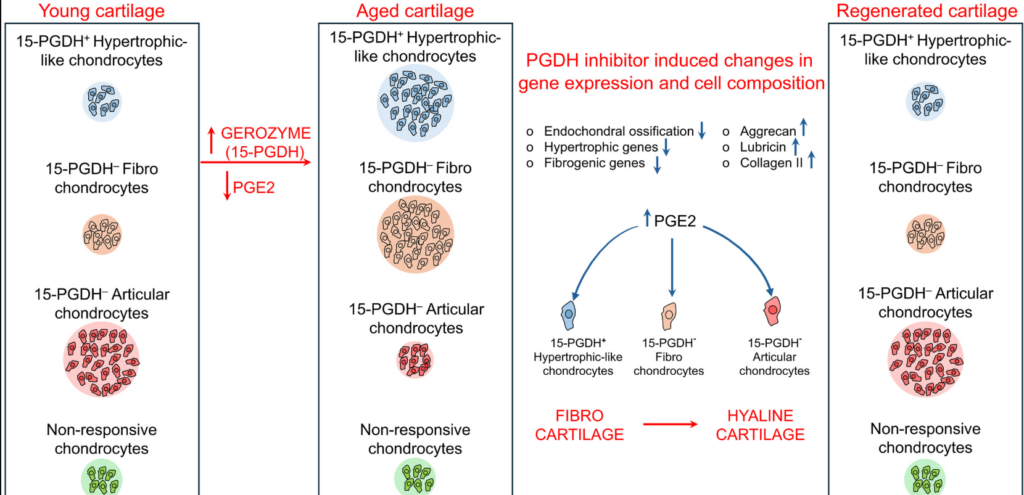
- Scientists at Stanford Medicine have discovered a groundbreaking treatment that can reverse cartilage loss in aging joints and prevent arthritis following traumatic knee injuries.
- Traditionally, medical science believed that once joint cartilage wears away, it cannot naturally grow back. Current treatments only manage pain or replace the damaged joints with surgery. This new approach targets the root biological cause of osteoarthritis instead of just treating the symptoms.
- The breakthrough centers on a protein called 15-PGDH, which researchers label a “gerozyme” – an enzyme that naturally doubles in our joints as we age and causes tissue decline. By using a small-molecule drug to block this aging enzyme, scientists successfully triggered cartilage regeneration.
- Side note – The drug described in that article is not yet a named pharmaceutical. Instead, it is an experimental compound that inhibits the enzyme/protein 15-PGDH (15-hydroxyprostaglandin dehydrogenase). The Stanford team has not publicly disclosed a specific drug name.
- When tested on older mice, the treatment caused their thinning knee cartilage to grow thicker and regain a healthy, functional structure. It also successfully stopped osteoarthritis from developing in mice that had suffered severe knee injuries similar to ACL tears.
- Most impressively, when the team applied the treatment to human cartilage samples taken from actual knee replacement surgeries, the tissue began forming brand-new, healthy cartilage after just one week.
- Interestingly, this healing process does not rely on stem cells. Instead, the drug reprograms existing cartilage cells (chondrocytes), shifting them away from inflammation and putting them into a youthful, active repair state.
- While human trials specifically for joint repair are still being planned, an oral version of this same drug is already safety-testing in human clinical trials for age-related muscle weakness, bringing a future non-surgical cure for arthritis much closer to reality.

Honorable Mentions
Story: Animals react to secret sounds from plants, say scientists
Source: BBC Story by Pallab Ghosh
Link: https://www.bbc.com/news/articles/c8e4860n9rpo
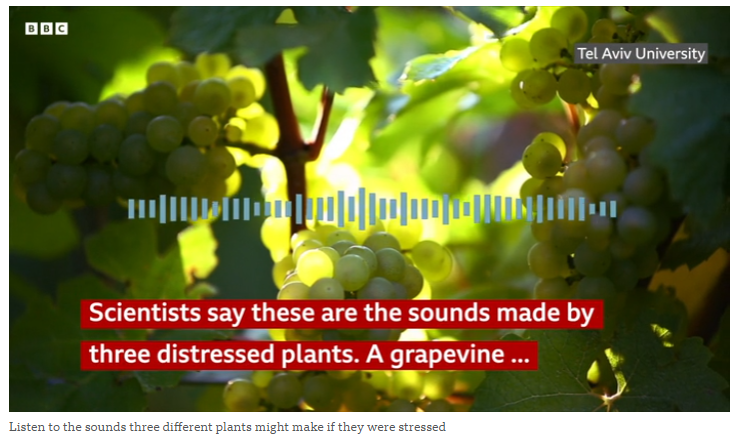
- Scientists at Tel Aviv University have discovered that animals and insects react to secret, ultrasonic sounds made by plants, hinting at a hidden ecosystem of communication.
- Building on a previous discovery that plants emit high-pitched “screams” when they are stressed, dehydrated, or unhealthy, a research team at Tel Aviv University found direct evidence that animals listen to these cues. The sounds are completely outside the range of human hearing, but they are easily perceived by various insects, bats, and small mammals.
- In the study, researchers observed that female moths actively avoided laying their eggs on tomato plants that were emitting these distress sounds. This behavior suggests the moths interpret the noises as a warning that the plant is unhealthy and would make a poor food source for their future larvae.
- This breakthrough provides the first concrete evidence of an acoustic interaction between plants and animals. It suggests that plants aren’t just passive organisms; they unintentionally broadcast their physical condition to the surrounding environment, and nearby creatures use that data to make critical survival choices.
////////////////////////////////////////////////////////////////////////////////////////////////////////////////////////////////////////////
Story: Chinese team converts wastewater to ammonia
Source: Ecohubmap.com
Link: https://www.ecohubmap.com/the-news/chinese-team-converts-wastewater-to-ammonia/rshyl3lmp17l3v3
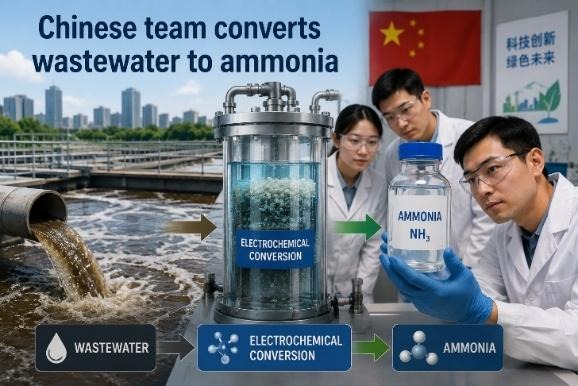
- A research team at Fujian Institute of Research on the Structure of Matter in China has developed a new technology that can turn wastewater pollution into a useful product: ammonia. Instead of treating nitrate in wastewater as a harmful waste material, the scientists are converting it into ammonia, a chemical that is widely used to make fertilizer. This approach could help clean polluted water while also creating a valuable resource.
- Wastewater from farms, factories, and sewage systems often contains high levels of nitrate. Too much nitrate can enter rivers and groundwater, causing environmental problems such as algae growth, oxygen loss in water, and risks to human health. Current methods for removing nitrate can be expensive and require large amounts of energy.
- The new process uses a special material called a dual-atom catalyst. This catalyst helps speed up the chemical reaction that changes nitrate into ammonia. The researchers also used artificial intelligence to help find the best combination of atoms for the catalyst, reducing the amount of trial-and-error testing needed. The new catalyst was reported to be much more efficient than earlier versions.
- The technology could make fertilizer production cleaner because traditional ammonia manufacturing requires very high temperatures and pressures and uses large amounts of energy. By recycling nitrogen already present in wastewater, this method could reduce pollution, lower energy use, and support a more sustainable farming system.
- However, the technology is still in the research stage. More testing is needed to prove it can work on a large scale in real wastewater treatment facilities.
////////////////////////////////////////////////////////////////////////////////////////////////////////////////////////////////////////////
Story: Electricity could produce cement with almost no carbon footprint – Researchers drastically reduced the environmental impact of producing cement, a key part of concrete infrastructure
Source: American Chemical Society
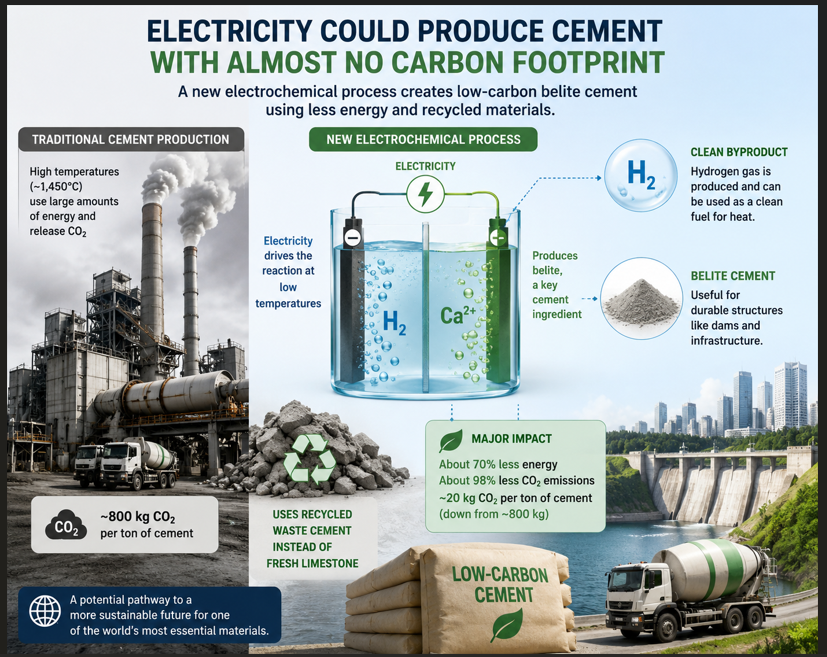
- Cement production is one of the largest sources of human-made carbon dioxide emissions, creating about 8% of global CO₂ emissions. Traditional cement manufacturing requires heating limestone and other materials to extremely high temperatures, which uses large amounts of energy and releases carbon dioxide during the chemical breakdown of limestone.
- Researchers at the University of British Columbia have developed a new method that uses electricity and recycled cement materials to make a lower-carbon type of cement. Instead of relying mainly on high-temperature heating, the team used an electrochemical process that works at much lower temperatures. The process creates a cement ingredient called belite, which is useful for large structures such as dams.)
- The new approach reduces the energy needed for production by about 70% compared with traditional methods. When the researchers used recycled waste cement instead of fresh limestone, they reduced carbon emissions by about 98% — from roughly 800 kilograms of CO₂ per ton of cement to about 20 kilograms.
- The process also produces hydrogen as a byproduct, which could potentially be used as a clean fuel to provide heat during cement production. Although the technology still needs further development before widespread industrial use, it could provide a major pathway toward making cement with a much smaller environmental impact.
////////////////////////////////////////////////////////////////////////////////////////////////////////////////////////////////////////////
Story: AI Speeds Selective and High-Yield Recovery of Critical Minerals from Industrial Waste
Source: Pacific Northwest National Laboratory
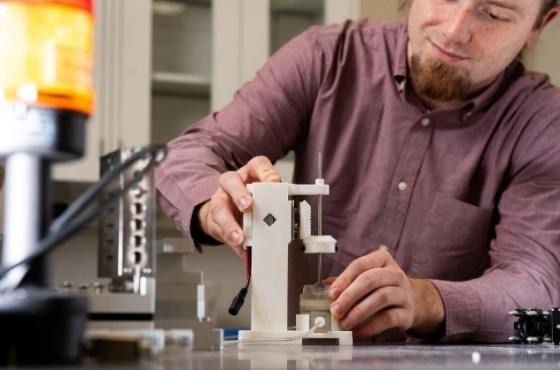
- Researchers at the U.S. Department of Energy’s Pacific Northwest National Laboratory (PNNL) have developed an artificial intelligence (AI) system that can speed up the recovery of valuable critical minerals from industrial waste. The new approach uses AI agents, robots, and automated laboratory equipment to find better ways to separate useful materials from complex waste mixtures.
- The system, called CICERO (Computer Intelligence for Critical Elements Recovery and Optimization), helps scientists identify the best chemical processes for extracting minerals while also estimating whether those methods could be affordable and practical for industry. Traditionally, developing these separation methods can take months or even years, but CICERO can create and test plans within days.
- The researchers tested the technology on different waste sources, including used magnets and wastewater from oil and gas operations. The AI identified opportunities to recover important materials such as magnesium, neodymium, praseodymium, and samarium. These minerals are essential for technologies including electric motors, advanced electronics, renewable energy systems, and aerospace applications.
- By combining AI with automated experiments, PNNL’s technology could make recycling and recovery of critical minerals faster, cheaper, and more sustainable. The researchers believe this approach may help create new domestic sources of important materials while reducing dependence on traditional mining.
https://www.ans.org/news/article-8188/first-commercial-nuclear-satellite-launched-on-spacex-mission