


Show Notes 27 November 2026
All Medical Science/Tech News Special
Text highlighted in blue identifies notes I have inserted.
Story 1: Two Tiny Magnetic Robots Could Replace Open-Heart Surgery, Study Says
Source: Forbes Story by Mary Whitfill Roeloffs
Source: Johns Hopkins “HUB” website Story by Jill Rosen
Link: https://hub.jhu.edu/2026/10/12/magnetic-millirobots-cardiac-treatment/
See video here: https://www.youtube.com/shorts/flf0namoETI
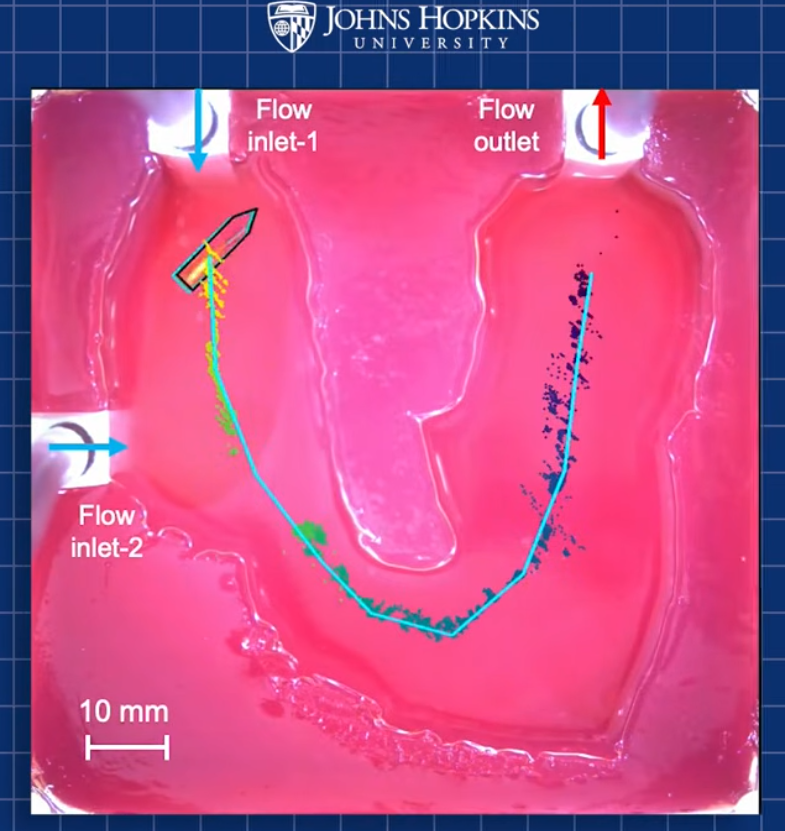
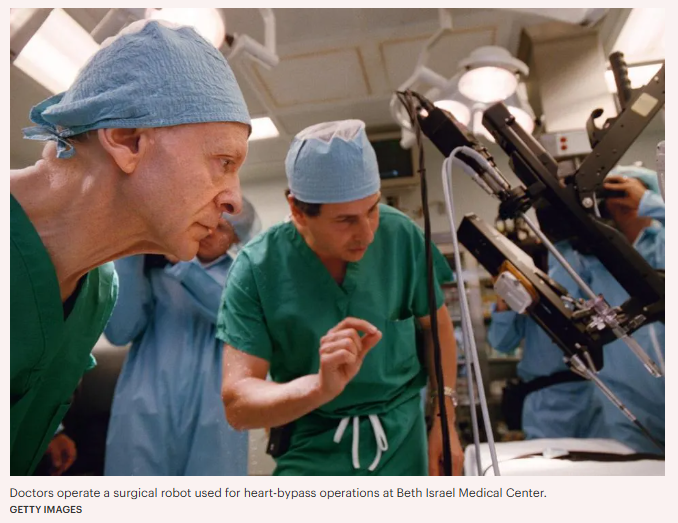
- Researchers at Johns Hopkins University have developed two incredibly small magnetic robots that could someday help treat serious heart infections without requiring open-heart surgery.
- Side note – what I find so interesting about this development is the idea of a two-robot team to accomplish a task, as we will learn.
- The technology is designed to treat a dangerous condition called infective endocarditis, an infection of the heart’s inner lining or valves. It is usually caused by bacteria or fungi entering the bloodstream.
- Current treatment involves weeks of powerful antibiotics delivered through an IV. Unfortunately, the medication sometimes cannot reach the infection in sufficient quantities. When antibiotics fail, patients may require risky open-heart surgery.
- The new system uses two tiny robots, each about the size of a pencil tip. Both are controlled wirelessly by an external electromagnetic system, similar to the technology used in MRI machines.
- The first robot contains a tiny, barbed needle that anchors itself in heart tissue. It serves as a docking station. The second robot carries antibiotics, attaches to the first robot, and releases medication directly at the infected area. It can then be removed and used again for additional treatments.
- Researchers have successfully tested the robots in simulated blood flow and actual pig heart tissue. Tests demonstrated that the robots could accurately connect, deliver medication over three hours, and be safely retrieved.
- The next step is testing the technology in artificial hearts that reproduce the movement of a beating human heart.
- Although human trials are still ahead, the Johns Hopkins University researchers believe this approach could eventually provide a safer, more targeted alternative to major heart surgery.

Story 2: Implant Zaps Excess Sugar Directly from Blood – Early trial hints at a radical new fix for type 2 diabetes
Source: IEEE Spectrum Story by Elie Dolgin
Link: https://spectrum.ieee.org/type-2-diabetes-electroceutical-implant
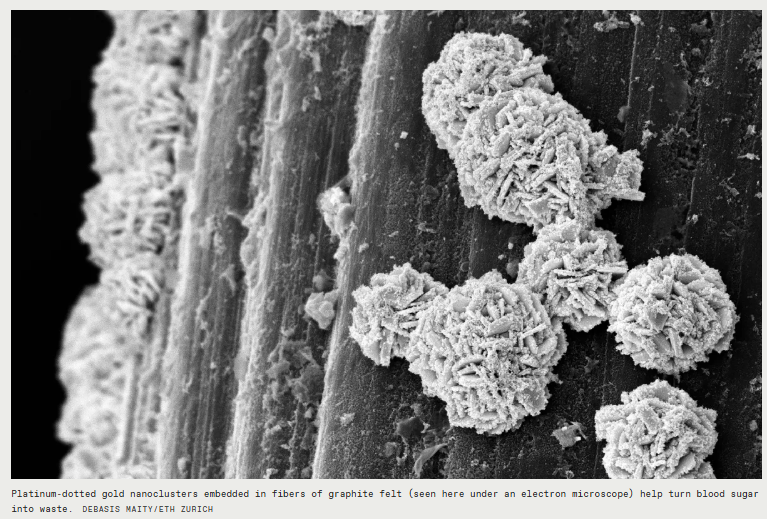
- Researchers at the Swiss Federal Institute of Technology in Zurich have developed an experimental electronic implant that could offer a completely different way to treat Type 2 diabetes. Instead of using medication or insulin to control blood sugar, the device removes excess sugar directly from the bloodstream.
- The implant, called ECHO, is about the size of a small USB drive and is designed to be placed under the skin. It contains special electrodes made from gold and platinum particles embedded in a graphite material.
- When activated by a wireless signal, the electrodes use a small electrical current to trigger a chemical reaction that converts glucose (blood sugar) into a substance called gluconate. The body can then eliminate much of this substance through urine.
- Side note – Gluconate is a chemical form of a mineral that is bound to gluconic acid, which helps the body absorb it. You’ll often see it as an ingredient in dietary supplements and medications.
- The device works alongside a continuous glucose monitor. When blood sugar rises above a preset level, the monitor signals the implant to switch on and begin removing excess glucose.
- So far, experiments in obese mice with Type 2 diabetes have been encouraging. The device helped keep blood sugar within normal ranges for several days without medication. The animals also showed improvements in body weight and blood chemistry.
- However, there are significant challenges before this technology can be used in people. Researchers must determine whether it can safely process the much larger volume of blood in humans, operate reliably over long periods, and avoid unwanted chemical reactions.
- The Swiss Federal Institute of Technology research team hopes to test the technology in larger animals before considering human trials.
- Interestingly, scientists believe similar implants might eventually be developed to remove other harmful substances from the bloodstream.

Story 3: ‘Mini lens’ grown in lab could help tackle cataracts – Breakthrough as researchers grow lens using stem cells for the first time
Source: Anglia Ruskin University website
Link: https://www.aru.ac.uk/news/mini-lens-grown-in-lab-could-help-tackle-cataracts

- Researchers have successfully grown tiny, realistic human eye lenses in a laboratory using stem cells. The breakthrough could eventually help scientists develop better ways to understand, prevent, and treat cataracts, one of the leading causes of blindness worldwide.
- The research team included scientists from Anglia Ruskin University in England, the University of Osaka in Japan, and Cardiff University in Wales.
- Cataracts develop when proteins inside the eye’s natural lens become damaged or clump together. This causes the normally clear lens to become cloudy, making it difficult for light to reach the retina properly.
- Cataracts affect an estimated 94 million people worldwide. Currently, surgery is the only established treatment.
- To create the miniature lenses, researchers started with adult human cells that were reprogrammed into stem cells. These special cells can develop into many different types of tissue. Scientists then developed a technique that encouraged the cells to organize themselves into tiny structures resembling natural human lenses.
- The laboratory-grown lenses contained many of the same important features as real lenses, including specialized cells and proteins that help keep the lens transparent. Researchers also discovered that cells from these miniature lenses could produce new lens-like structures.
- The discovery provides scientists with a new way to study how human lenses develop and what goes wrong when cataracts form. It could also allow researchers to test potential medications without relying entirely on human eye tissue.
- Although this research does not yet offer a new cataract treatment, it represents an important step toward future regenerative eye therapies.

Story 4: Implantable device uses ultrasound to improve drug delivery to the brain – This targeted approach could offer a way to prevent the recurrence of aggressive brain tumors.
Source: MIT News Story by Anne Trafton
Link: https://news.mit.edu/2026/implantable-device-uses-ultrasound-improve-drug-delivery-brain-1026
See research paper here: https://www.cell.com/device/abstract/S2666-9986(26)00285-1
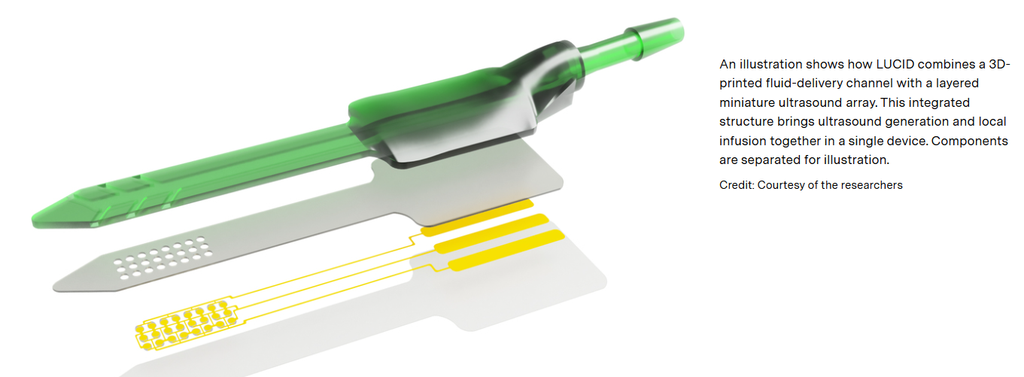
- Researchers at the Massachusetts Institute of Technology have developed a tiny implantable device that could improve treatment for one of the deadliest forms of brain cancer.
- The device, called LUCID, is designed to help deliver cancer-fighting drugs deeper into brain tissue. It could be particularly useful for treating glioblastoma, an aggressive brain tumor that frequently returns even after surgeons remove as much of it as possible.
- Side note – LUCID stands for: Long-term Ultrasound-enhanced Convective Injection Device.
- The device is an implant that combines:
- A tiny drug-delivery tube (cannula)
- A reservoir and pump that slowly release medication
- An array of 24 miniature ultrasound transducers
- One major challenge in treating brain cancer is the blood-brain barrier, a natural protective layer that prevents many drugs from entering the brain. Even when medication reaches the brain, it can be difficult to distribute it throughout the surrounding tissue.
- LUCID addresses both problems by combining a small drug reservoir with 24 miniature ultrasound components.
- The implant slowly releases medication while producing ultrasound waves that help push the drugs farther into nearby brain tissue. The ultrasound can also temporarily make the blood-brain barrier more permeable, allowing medications to enter more easily.
- Doctors could implant the device during surgery to remove a brain tumor. A wireless controller would allow them to adjust the ultrasound settings and control drug delivery over time.
- In laboratory experiments and tests involving mice, the researchers demonstrated that ultrasound helped substances spread farther through brain tissue.
- Although the technology has not yet been tested in human patients, researchers believe it could eventually help prevent brain tumors from returning. The approach might also be adapted to deliver other treatments, including gene therapies and immunotherapies.
- Why this is interesting: It combines miniature medical electronics, ultrasound, and controlled drug delivery to potentially make cancer treatments more effective.

Honorable Mentions
Story: Cambridge scientists create a $10 chip that could put a medical lab on your wrist
Source: ScienceDaily.com Story from University of Cambridge
Link: https://www.sciencedaily.com/releases/2026/10/261022081312.htm
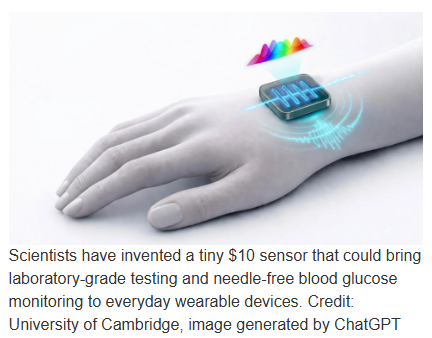
- Researchers at the University of Cambridge have developed a tiny optical sensor that could eventually bring laboratory-quality testing to everyday wearable devices, such as smartwatches. The sensor costs approximately $10 and is small enough to fit into portable electronics.
- The device works by analyzing how light interacts with different materials. This allows it to identify substances and measure their chemical makeup. Traditional laboratory equipment performing these tests is often large, expensive, and difficult to miniaturize without losing accuracy.
- In experiments, the new sensor successfully identified plastics, medicines, coffee, flour, and tea with 100% accuracy. It also measured the concentration of substances in liquids with remarkable precision.
- Perhaps its most exciting potential application is healthcare. Researchers demonstrated that the sensor could measure several health indicators, including skin moisture, blood alcohol, blood lactate, and blood glucose. In one demonstration, it successfully monitored glucose levels without requiring blood samples or needles.
- The technology could eventually make it possible for people with diabetes to monitor their blood sugar continuously using a wearable device. Other potential applications include monitoring food freshness, checking manufacturing quality, and detecting environmental changes.
- The researchers say the sensor is inexpensive to manufacture, requires relatively little computing power, and operates across a wide range of temperatures.
- Although additional testing is needed before it becomes a practical medical product, this development could make sophisticated medical monitoring much smaller, cheaper, and more accessible.
- An especially interesting aspect of this research is the possibility of monitoring blood glucose without finger pricks or implanted sensors. That could eventually make life considerably easier for people managing diabetes.
////////////////////////////////////////////////////////////////////////////////////////////////////////////////////////////////////////////
Story: Nonflammable gel membrane could help batteries run twice as long on a single charge
Source: TechXplore.com Story by Gaby Clark
Link: https://techxplore.com/news/2026-11-nonflammable-gel-membrane-batteries.html
See also: https://knowridge.com/2026/11/nonflammable-gel-could-open-a-new-path-beyond-lithium-batteries/
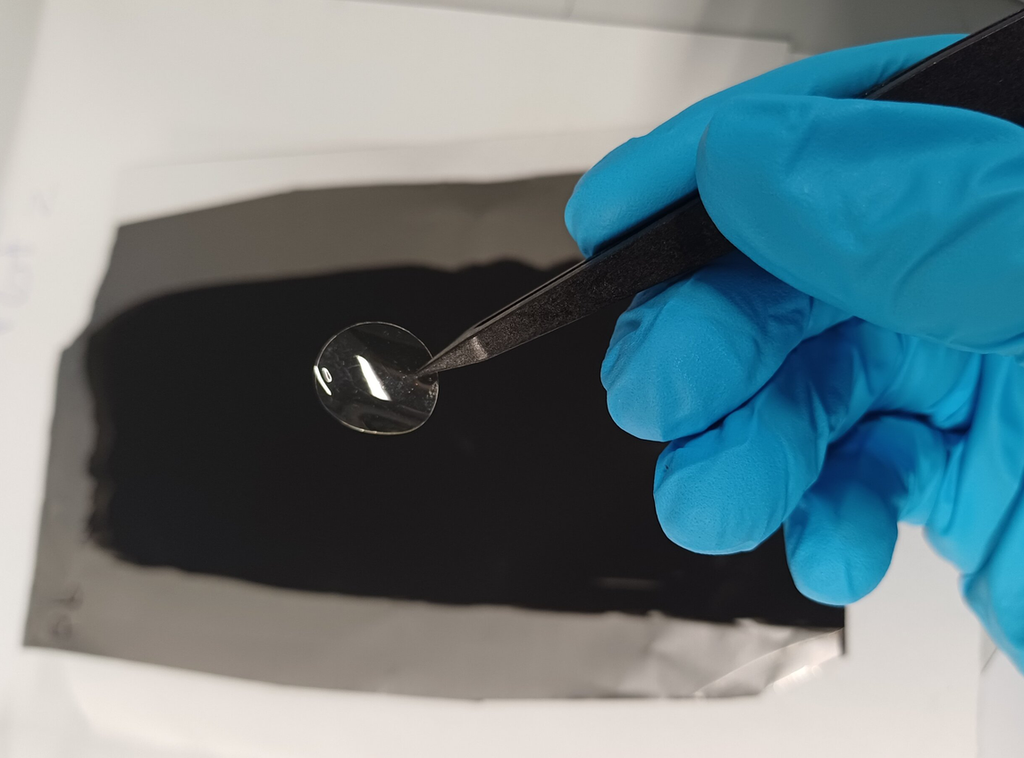
- Researchers at the Polytechnic University of Milan in Italy have developed a new type of battery material that could lead to safer, longer-lasting batteries while reducing dependence on lithium.
- The breakthrough involves a special polymer gel membrane that allows fluoride ions to move through a battery at room temperature. The membrane acts as an electrolyte, helping the battery generate and store electricity. Unlike conventional battery materials, this new membrane is nonflammable, potentially reducing the risk of battery fires.
- One of the most promising features is its potential energy capacity. Researchers estimate that fluoride-ion batteries using this technology could eventually store approximately 600 watt-hours of energy per kilogram. Today’s typical lithium-ion batteries store roughly 150 to 250 watt-hours per kilogram. If those estimates can be achieved in practical batteries, electric vehicles could potentially travel about twice as far on a single charge.
- Another important advantage is that fluoride is more abundant in nature than lithium, potentially making these batteries more sustainable and less dependent on limited supplies of certain raw materials.
- Previous fluoride-ion battery designs required temperatures of approximately 100 to 150 degrees Celsius to operate efficiently. The new membrane works at room temperature, eliminating the need to spend additional energy heating the battery.
- The technology is still in the research and development stage, but scientists believe it could eventually benefit electric vehicles, drones, aircraft, satellites, and large-scale renewable energy storage systems.
- The big picture: This research could open the door to batteries that are safer, lighter, longer lasting, and potentially less expensive to produce.
////////////////////////////////////////////////////////////////////////////////////////////////////////////////////////////////////////////
Story: MIT Fabric Molds for Material-Saving Concrete
Source: Scientific Frontline Story from MIT
Link: https://www.sflorg.com/2026/11/eng11072601.html
See research paper here: https://www.sciencedirect.com/science/article/abs/pii/S2352710226022941?via%3Dihub
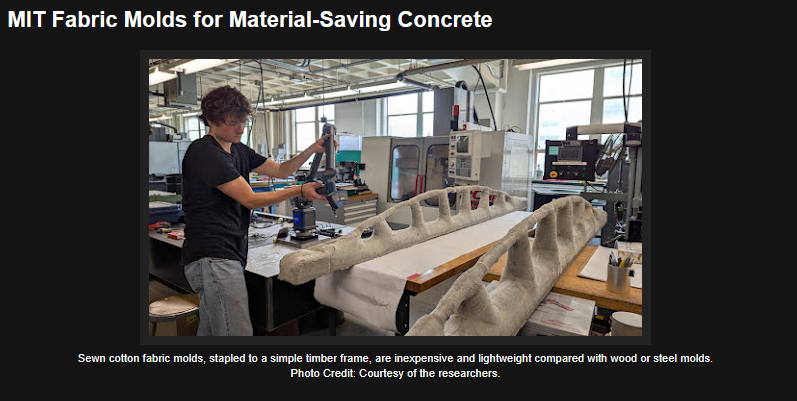
- Researchers at the Massachusetts Institute of Technology (MIT) have developed a new way to make concrete beams using inexpensive fabric molds instead of traditional wooden or steel forms. The technique could reduce construction costs, save materials, and help lower the construction industry’s carbon footprint.
- The researchers used computer software to design concrete beams that contain material only where it is needed for strength. They then translated those designs into flat fabric patterns that could be cut, sewn together, and attached to a simple wooden frame. Wet concrete is poured into the fabric mold, which naturally takes the shape of the specially designed beam.
- In a demonstration, the team created a concrete beam about 10 feet long. Compared with a conventional beam designed to support the same weight, the new design used approximately one-third as much concrete and half as much steel reinforcement. Testing showed that the beam performed very close to what computer models had predicted.
- The approach could be especially useful in developing countries, where expensive construction equipment may be unavailable. Fabric molds are lightweight, inexpensive, and easy to transport. Researchers estimate that the technique could reduce costs by 10 to 20 percent in some developing regions.
- The technology is still in its early stages. The researchers plan to test larger structures and determine how much weight the beams can safely support.
- Because cement manufacturing produces roughly 8 percent of human-caused carbon emissions, reducing the amount of concrete needed could offer an important environmental benefit.
////////////////////////////////////////////////////////////////////////////////////////////////////////////////////////////////////////////
Story: Scientists Can Now Ask AI to Design Proteins Using Plain Language – New AI tools could help more biologists experiment with problems once restricted to a handful of specialists.
Source: Singularityhub.com Story by Edd Gent
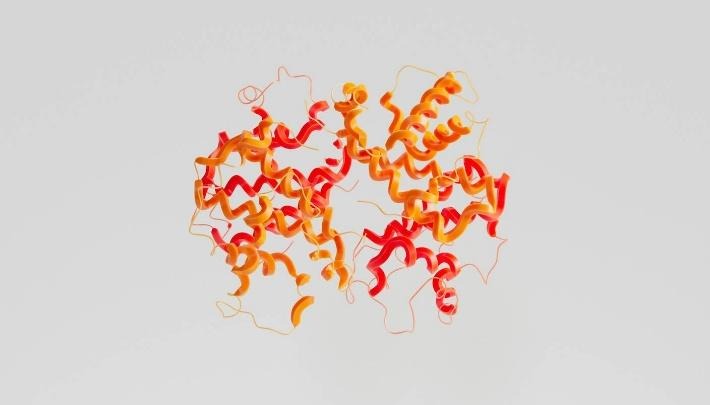
- Scientists have developed a new artificial intelligence system that can design proteins simply by describing what they want the protein to do in everyday language. The technology could make protein engineering much easier and allow more researchers to develop new biological tools.
- The system, called Pinal, was developed by researchers at Westlake University in China. Traditionally, designing proteins requires specialized knowledge of biology, chemistry, and computer software. Scientists must understand complicated protein structures and specify exactly how their building blocks should be arranged.
- Pinal changes that process. A researcher can simply type a request, such as designing an enzyme that breaks down plastic or a protein that produces a green glow. The AI translates the description into a proposed protein structure and then generates the sequence of amino acids needed to build it. It also creates and evaluates multiple possible designs to identify the most promising candidates.
- Researchers tested Pinal on four different challenges, including creating a glowing protein, breaking down PET plastic, processing alcohols, and helping transport chemicals between enzymes.
- Results were mixed. For the glowing protein, only one out of 29 designs tested actually worked. However, five of 20 candidates for the chemical-transport task were successful. The best increased the output of a carbon-dioxide-processing pathway by 70 percent.
- Although the technology still needs improvement, it could make protein engineering more accessible. Scientists believe AI-assisted design may eventually accelerate discoveries in medicine, environmental cleanup, and biotechnology.