

Show Notes 29 May 2026
Text highlighted in blue identifies notes I have inserted.
Story 1: This see-through smart ring translates sign language and almost works like magic
Source: Digitaltrends.com Story by Rachit Agarwal
See research paper here: https://www.science.org/doi/10.1126/sciadv.aec8995
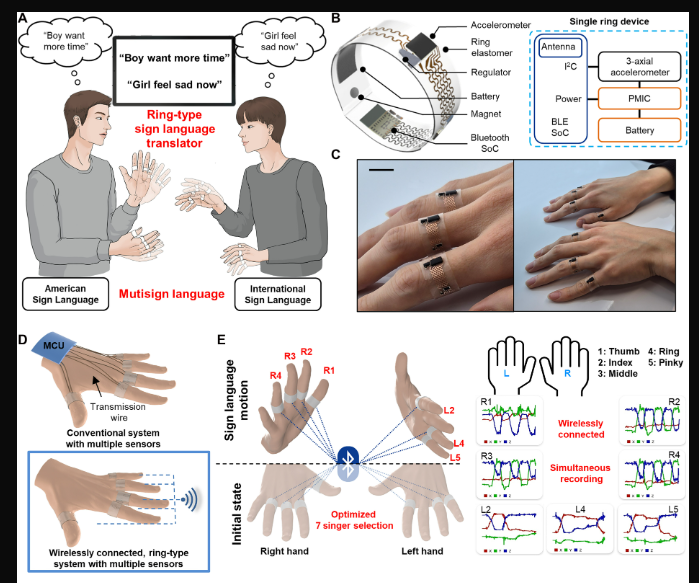
- A South Korean research team has developed a breakthrough wearable system that translates sign language into text in real time using seven smart rings.
- Side note on where the researchers come from:
- Yonsei University: A major private research university in Seoul, where key members of the Department of Materials Science and Engineering led the project.
- Hankuk University of Foreign Studies (HUFS): Specifically the Department of Biomedical Engineering, which played a leading role in designing the wearable interface.
- Korea Institute of Science and Technology (KIST): A premier government-funded research institute that contributed to the technical and material advancements of the rings.
- Published in the journal Science Advances, this technology aims to bridge the communication gap between the deaf and hearing communities without the need for bulky equipment or human interpreters.
- Unlike previous prototypes that relied on cumbersome, sensor-filled gloves or cameras requiring a clear line of sight, this system [known as WRSLT Wirelessly Connected Ring-Type Sign Language Translator] is discreet and wireless.
- Side note – in our April 4, 2025 show we reported on a thumb ring tech that translates sign language into text. See: https://www.popsci.com/technology/sign-language-translator-ring/
- Each ring contains a tiny accelerometer and a Bluetooth chip to track precise finger movements and orientations. This modular design allows users to move their hands naturally, making it much more practical for daily use in places like hospitals, shops, or workplaces.
- Key highlights of the technology include:
- Accuracy: During testing, the system achieved over 88% accuracy in recognizing 100 common words in both American Sign Language (ASL) and International Sign Language (ISL).
- Real-Time Sentences: The AI uses a “sequential detection” framework and an “autocomplete” feature to predict the next sign, allowing it to translate full sentences at speeds comparable to spoken conversation.
- User Independence: It works reliably even for people the AI hasn’t seen before, meaning it doesn’t require personal calibration.
- While still experimental, researchers believe these rings represent a major step toward “barrier-free” communication. Beyond translation, the technology could eventually be used for virtual reality control or medical rehabilitation.

Story 2: States Across the Wildfire-Prone Western US Are Using AI for Early Detection
Source: Wildlandfirefighter.com Story from Associated Press
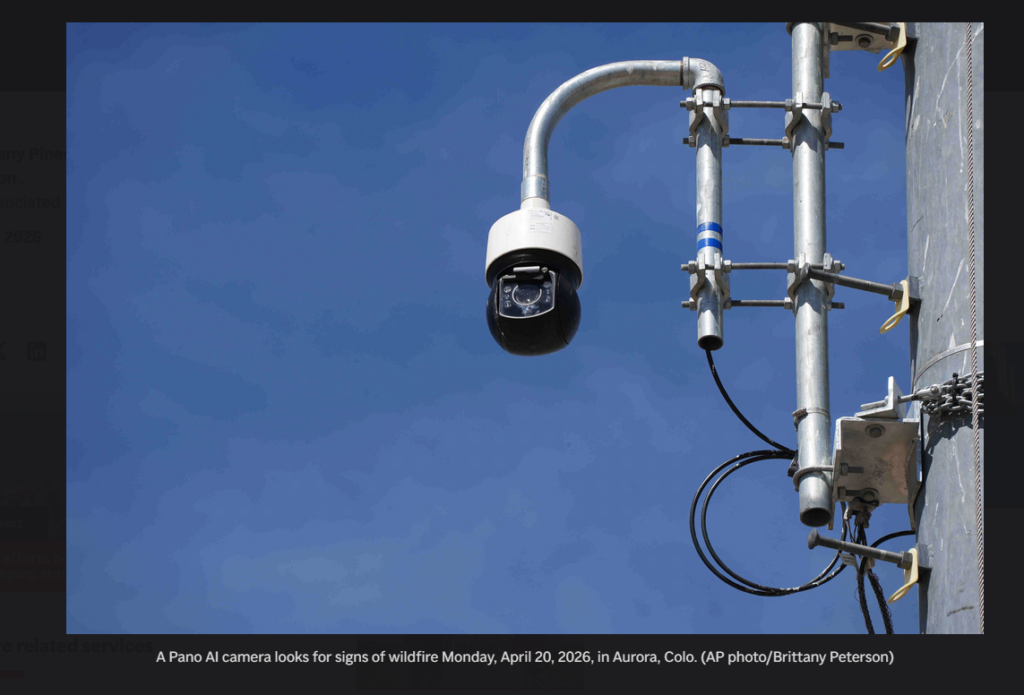
- Faced with worsening wildfire threats due to extreme heat and dry conditions, states across the Western U.S. (including Arizona, Colorado, and California) are adopting AI-powered camera networks. The goal is to spot fires in remote areas before they burn out of control.
- How these systems work:
- Continuous Scanning: High-definition, 24/7 rotating cameras and satellite data constantly monitor high-risk, sparsely populated rural areas.
- AI Detection: Artificial intelligence algorithms analyze the live feeds to differentiate between smoke and non-threatening environmental elements (like dust, clouds, or fog).
- Human Verification: If the AI detects potential smoke, it alerts human analysts. These analysts confirm whether it is an actual fire to keep false alarms to a minimum.
- Rapid Action: Once confirmed, local fire agencies and utilities are notified immediately so they can launch emergency personnel and aircraft while the fire is still small.
- Key Benefits
- Beating 911 Calls: In remote areas where few humans are around to report emergencies, the AI technology notifies authorities about 45 minutes faster on average than the first 911 call.
- Proven Success: The technology is already saving thousands of acres. For instance, in Arizona, the AI flagged early signs of what became the “Diamond Fire.” Firefighters were able to respond immediately and stop the blaze before it grew past 7 acres.
- The Challenges
- High Costs: Deploying and maintaining these systems is expensive, costing tens of thousands of dollars per camera annually.
- The Human Factor: AI is only a tool for detection and providing real-time data. It cannot replace human decision-making when it comes to the critical, tactical choices of fighting a fire or ordering community evacuations.
-
Looking Ahead – Experts note that AI is no longer a speculative tool but a practical necessity.
- Moving forward, AI is expected to become an industry standard everywhere, blurring the lines between “AI wildfire detection” and standard wildfire management.
- Beyond just spotting smoke, agencies plan to expand its use to map out real-time evacuations and identify optimal locations for thinning overgrown vegetation.

Story 3: Recycled human waste could turn the dust on Mars and the Moon into fertile soil for crops
Source: Earth.com Story by Eric Ralls
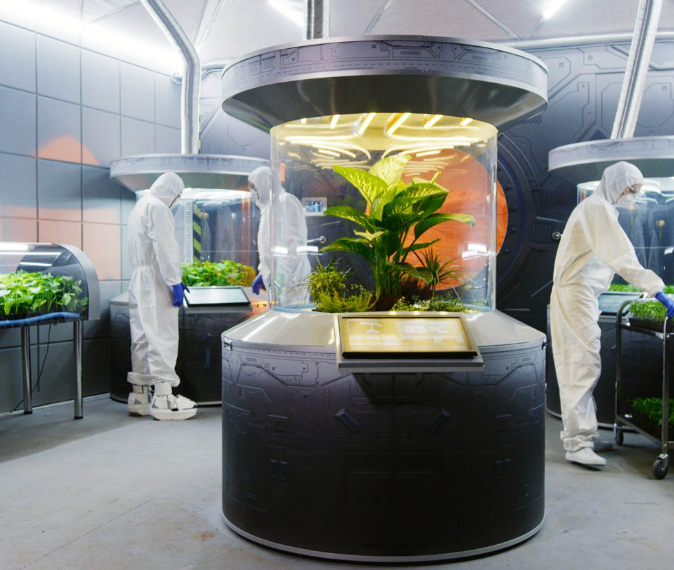
- Future long-term space missions to the Moon and Mars will depend heavily on self-sustaining food systems, as transporting living soil from Earth is impossible.
- To address this challenge, researchers at Texas A&M University have found that treating recycled human wastewater could transform sterile, abrasive extraterrestrial [Moon and Mars] dust (regolith) into fertile soil for future space farming.
- In laboratory experiments, scientists used an artificial sewage solution managed by NASA’s Organic Processor Assembly. Inside bioreactor tanks, microbes digested solid waste and filtered it into a liquid solution rich in nutrients and salts.
- When researchers mixed this treated wastewater with simulated Moon and Mars dust, a crucial chemical reaction occurred. The treated liquid “weathered” the harsh mineral grains, dissolving the rock to unlock trapped essential plant nutrients, including sulfur, calcium, and magnesium.
- Under a microscope, this weathering process etched tiny pits into the lunar simulant and coated Martian grains in nanoparticles, successfully smoothing the sharp, abrasive edges of the dust to make it safer for delicate plant roots.
- While the local dust naturally released some hidden fertilizer reserves even when mixed with plain water, the treated wastewater drastically enhanced the enrichment.
- Some nutrients, particularly phosphorus, chemically bound to the dust’s surface, meaning plant roots or future microbes will need to physically free them over time.
- While laboratory simulants differ slightly from actual extraterrestrial regolith, this closed-loop recycling approach offers a practical foundation for habitat designers to turn a disposal problem into a cornerstone of sustainable off-world agriculture.

Story 4: Scientists destroy COVID and flu viruses in the lab with sound waves
Source: Sciencealert.com Story by David Nield
Link: https://www.sciencealert.com/scientists-destroy-covid-and-flu-viruses-in-the-lab-with-sound-waves
See research paper here: https://www.nature.com/articles/s41598-026-37584-x

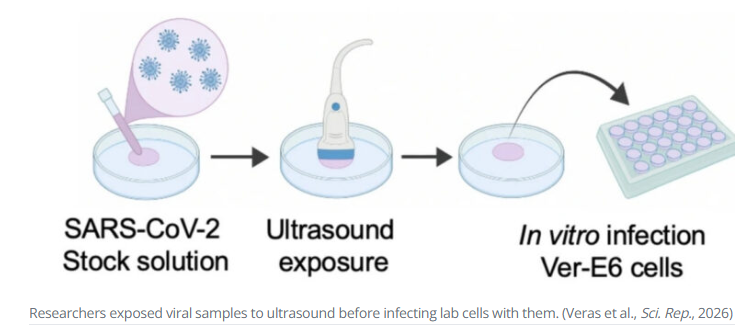
- A recent study published in Scientific Reports and featured by ScienceAlert highlights a breakthrough by researchers at the University of São Paulo [Brazil], who successfully inactivated SARS-CoV-2 and influenza A (H1N1) viruses using high-frequency ultrasound.
- This innovative approach utilizes a physical phenomenon called acoustic resonance to destroy the structural integrity of viral particles without harming human cells.
- How it Works: Acoustic Resonance
- Unlike traditional ultrasound sterilization, which uses low-frequency waves to create destructive gas bubbles (cavitation), this method employs high frequencies between 3 and 20 Megahertz.
- The sound waves are tuned to match the natural vibrational frequency of the virus’s outer shell, known as the envelope. This causes the virus to vibrate violently until its membrane ruptures and “explodes,” much like a piece of popcorn.
- Key Advantages
- Geometric Targeting: Because the process is purely geometric, it targets the spherical shape of the virus. This means that even as viruses mutate (like the Omicron or Delta variants of COVID-19), the treatment remains effective because the physical shape of the virus typically stays the same.
- Safety: The experiments showed that while the viral envelopes were destroyed, the surrounding host cells remained intact, with no changes to local temperature or pH levels.
- Versatility: Beyond COVID-19 and the flu, researchers believe this could work against other enveloped viruses, including Zika and Dengue.
- While the technology is currently limited to laboratory “in vitro” tests and is not yet ready for clinical use in humans, it represents a promising “green” alternative to complex chemical antivirals, offering a non-invasive way to combat pathogens that have no risk of promoting drug resistance.

Honorable Mentions
Story: Spelman Students Invent a Way for Plants to Talk with PlantGPT – Captured by NBC News, NY Post, CBS Atlanta and More, the Viral Project Redefines the Future of Gardening through A.I. and Data
Source: Spelman College and CBS News, Atlanta
Link: https://www.cbsnews.com/atlanta/news/spelman-college-plantgpt-ai-tool-people-communicate-plants/
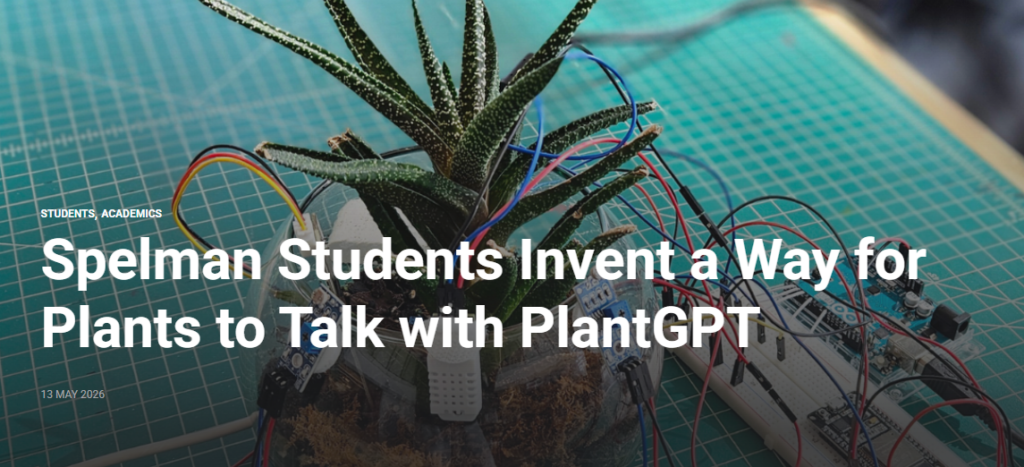
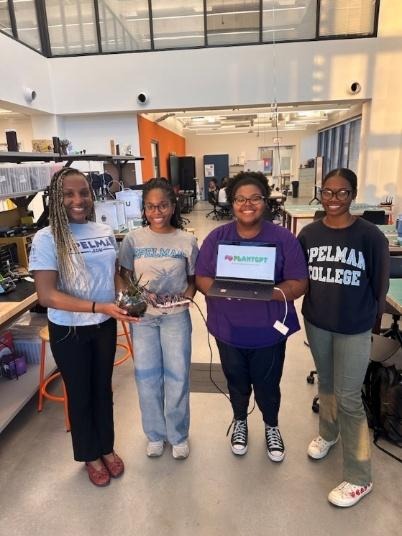
- Students at Spelman College in Atlanta are developing an innovative artificial intelligence tool called “PlantGPT,” designed to give anyone a “green thumb” by allowing people to understand and “communicate” with their plants.
- Reported by Madeline Montgomery for CBS News Atlanta, the project is being built in the college’s Innovation Lab by computer science students, including juniors Jessica Obi and Temple Dees.
- The tool works by inserting sensors directly into a plant’s soil to capture real-time environmental data. PlantGPT specifically tracks critical health metrics, including humidity, light intensity, soil moisture, and external temperature.
- The artificial intelligence then processes this complex technical data and translates it into personalized, user-friendly care instructions.
- According to Eric Thompson, the Innovation Lab’s assistant director, the project’s core philosophy is giving plants their own voice and agency to increase their chances of survival. For instance, the students even programmed a Victorian royal personality into their prototype succulent, allowing it to humorously request water when parched.
- Currently, the setup involves a cumbersome array of visible hardware. Obi and Dees are focused on compartmentalizing the technology to make it streamlined and accessible for everyday consumers who lack gardening experience.
- However, their ultimate vision for PlantGPT extends far beyond standard houseplants. The student innovators plan to scale the technology for agricultural settings, allowing caretakers and local farmers to efficiently monitor the vital stats of large groups of plants simultaneously.
////////////////////////////////////////////////////////////////////////////////////////////////////////////////////////////////////////////
Story: A Hemp-based Plastic Offers a Greener Alternative to Plastic Packaging
Source: UConn Today

- Researchers at University of Connecticut have developed a new hemp-based plastic that could become a more environmentally friendly alternative to common single-use plastics.
- The material is made from cannabidiol (CBD), a non-psychoactive compound found in hemp plants. Scientists say the new plastic is flexible, durable, heat-resistant, and easier to recycle than many petroleum-based plastics used today.
- The researchers created a special thermoplastic that can stretch up to 1,600% of its original size while still remaining stable in hot temperatures, even when exposed to boiling water.
- These qualities are important because they make the material suitable for packaging, coatings, and flexible electronics. The team hopes the hemp-based material could eventually replace plastics such as PET, which is commonly used in water bottles and food packaging.
- Current plastics often rely on fossil fuels and can break down into harmful microplastics that pollute water, air, and food. Some plastics also contain chemicals linked to health concerns.
- The hemp-based alternative may avoid many of these problems because it comes from a renewable plant source and does not require the same harmful ingredients.
- Another advantage is recyclability. Researchers found the material can be chemically broken down and reused without needing special enzymes. Hemp itself is also considered a sustainable crop because it grows in many climates, uses relatively little water, and often needs few pesticides.
- Although hemp production is not yet large enough to fully replace traditional plastics, researchers believe the crop’s growing popularity could make large-scale sustainable plastic production possible in the future.
////////////////////////////////////////////////////////////////////////////////////////////////////////////////////////////////////////////
Story: Sugarcane waste concrete cuts CO₂ by up to 30% while boosting strength
Source: TechXplore.com Story by Robert Egan
Link: https://techxplore.com/news/2026-05-sugarcane-concrete-boosting-strength.html
See research paper here: https://www.sciencedirect.com/science/article/pii/S259012302504767X?via%3Dihub
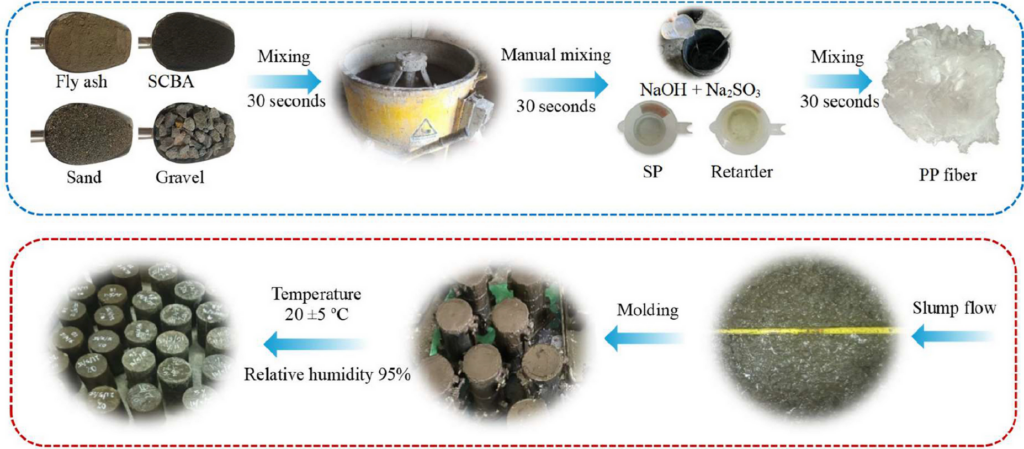
- A recent study from researchers at Hasanuddin University in Indonesia explored a new type of environmentally friendly concrete made partly from sugarcane waste. The goal was to reduce the huge carbon emissions linked to traditional cement production while also improving concrete performance.
- The researchers focused on sugarcane bagasse ash (SCBA), a waste product left after processing sugarcane. Instead of throwing this ash away, they used it in geopolymer concrete, a greener alternative to ordinary Portland cement. They combined the ash with fly ash and polypropylene fibers to create a stronger and more durable material.
- The team tested several concrete mixtures with different amounts of sugarcane ash. The best-performing version replaced 5% of the fly ash with SCBA. Compared with the standard mixture, it showed major improvements: compressive strength increased by 41%, tensile strength by 29%, and fracture resistance by 56%. The fibers helped stop cracks from spreading, making the concrete tougher and less brittle.
- The environmental benefits were also significant. The optimized concrete reduced carbon dioxide emissions by about 25–30% compared with conventional Portland cement concrete. It also delivered better “strength-to-carbon” and “strength-to-cost” ratios, meaning it was both more sustainable and more economical.
- Researchers believe this material could be especially useful in rapidly developing regions where infrastructure demand is growing quickly. Using agricultural waste in construction could also support a circular economy by reducing industrial waste while creating stronger, lower-carbon building materials.
////////////////////////////////////////////////////////////////////////////////////////////////////////////////////////////////////////////
Story: How a steam-powered moto became the second-fastest bike in the world
Source: NewAtlas.com Story by Utkarsh Sood
Link: https://newatlas.com/motorcycles/steam-bike-record

- A British engineer named Graham Sykes has built an incredible steam-powered motorcycle called Force of Nature, which recently became the second-fastest motorcycle in the world over a quarter-mile distance.
- The bike completed the run in just 5.503 seconds and reached speeds close to 193 mph (310 km/h). Only a rocket-powered motorcycle ridden by Eric Teboul has gone faster.
- Unlike normal motorcycles, this machine is powered by superheated water instead of a gasoline engine. Before a run, water is heated to about 260°C (500°F) using a separate support unit nicknamed the “Mothership.” The heating system burns kerosene or vegetable oil fuel to create extremely high-pressure steam.
- When the rider presses a button, valves open and the hot water blasts through special nozzles. The water instantly turns into steam, expanding rapidly and creating huge thrust like a rocket. The system can eject about 40 liters of water every second, producing explosive acceleration of around 6 gs.
- Sykes and his wife Diane spent about six years developing the motorcycle in a small workshop in northern England. The latest version has a stronger chassis, improved valves, better aerodynamics, and a more powerful heating system.
- Although the bike is extremely fast, Sykes says it is not practical for everyday use because the power is either fully on or fully off, making it difficult to control safely. Even so, the team hopes to break even more speed records in the future.