


Show Notes 31 July 2026
Text highlighted in blue identifies notes I have inserted.
Story 1: Computer model could enable bridges and buildings that use less material – MIT researchers developed an approach for generating more buildable structures, bridging the gap between optimized design and real-world construction
Source: MIT News Story by Zach Winn
Link: https://news.mit.edu/2026/computer-model-could-enable-less-material-bridges-buildings-0624
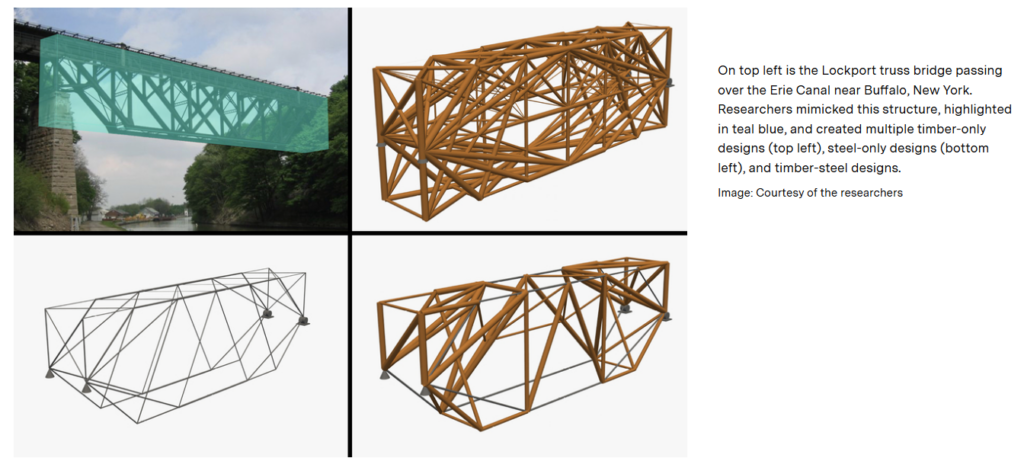
- MIT researchers have created a new computer model that could help engineers design bridges and buildings using much less material while still keeping them strong and safe. Since making construction materials produces more than 7% of global carbon emissions, reducing material use could greatly lower the environmental impact of construction.
- The new MIT model improves a design method called topology optimization, which uses computers to find the most efficient way to place materials in a structure.
- Side note – Topology optimization is a computational design method that determines the best possible material layout within a defined design space, given loads, constraints, and performance objectives. The core idea is to let physics and mathematics, not human intuition, decide where material is needed and where it can be removed to achieve maximum efficiency.
- Key point – the software described in the MIT article is not AI-based. It is a computational optimization model that uses mixed-integer algorithms and topology optimization, but it does not involve machine learning or artificial intelligence.
- Although this Topology optimization method can reduce material use by up to 90%, it often creates complicated designs that are too difficult or expensive to build in real life.
- To solve this problem, the MIT team developed software that includes practical building rules.
- It limits how many pieces can connect at one point, controls the minimum size of parts, and considers how different materials, such as steel and timber, behave.
- This allows the computer to create designs that are both efficient and realistic to construct.
- The researchers tested their system by designing bridge trusses using steel, wood, and combinations of both materials. They found that mixing materials can provide the strength of steel while reducing carbon emissions by using timber where appropriate.
- Side note – Steelmaking creates substantial carbon emissions, primarily because traditional production relies on coal-based blast furnaces and other energy-intensive processes. The global iron and steel sector accounts for roughly 25% of all industrial CO₂ emissions.
- The program can also run on a standard laptop, making it practical for engineering firms. The team hopes this technology will help designers create safer, lower-cost, and more environmentally friendly infrastructure in the future.

Story 2: Self-Healing Contact Lenses Activated by UV Light: A Breakthrough in Vision Care
Source: Bioengineer.com
See research paper here: https://pubs.acs.org/doi/10.1021/acsapm.5c04803
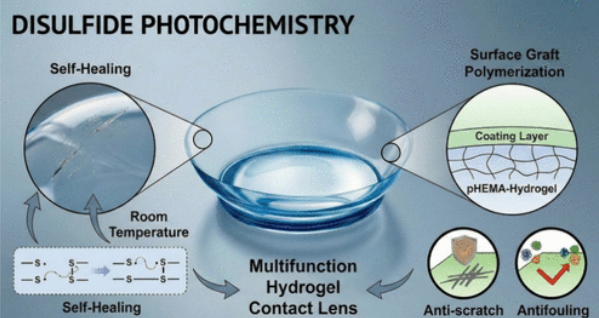
- Researchers at the Department of Chemistry at Dankook University, South Korea have developed a new type of contact lens that can repair itself when exposed to ultraviolet (UV) light, potentially making future lenses last longer and reducing waste.
- Traditional soft contact lenses are made from hydrogel materials—soft, water-filled polymers that provide comfort and allow oxygen to reach the eye. However, these lenses can develop tiny scratches from everyday handling, cleaning, and exposure to dust. Once damaged, they usually must be replaced.
- The South Korean scientists created a special hydrogel material that can “heal” itself using UV light. The material contains chemical links called disulfide bonds that can break and reconnect when activated by UV energy.
- This process allows scratches and small damaged areas to gradually repair themselves, almost like the lens is stitching itself back together at the molecular level.
- In laboratory tests, damaged lenses were exposed to UV light for about one hour at room temperature. The scratches were greatly reduced, and the lenses regained their smooth surface.
- The researchers also added a protective coating that helped resist new scratches and reduced the buildup of unwanted materials on the lens surface.
- The new technology could eventually lead to reusable contact lenses that are more durable, comfortable, and environmentally friendly.
- However, these lenses are still in the research stage. More testing is needed to confirm long-term safety, durability, and approval for consumer use. If successful, self-healing lenses could represent an important advance in vision care by making soft contact lenses smarter and longer lasting.
Story 3: AI identifies pancreatic cancer years before diagnosis, offering potential for earlier treatment
Source: Mayo Clinic Website
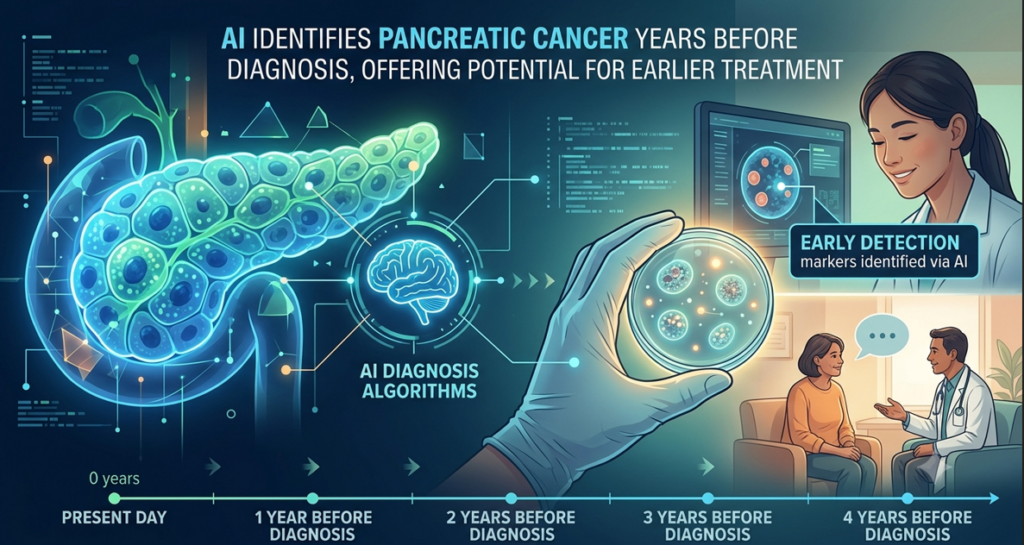
- Researchers at Mayo Clinic in Rochester, Minnesota have developed an artificial intelligence system that may detect pancreatic cancer much earlier than doctors can today – sometimes up to three years before symptoms or visible tumors appear.
- This is a major breakthrough because pancreatic cancer is one of the deadliest cancers, largely because it’s usually found too late to treat effectively.
- The AI tool, called REDMOD (Radiomics-Based Early Detection Model), studies ordinary abdominal CT scans and looks for tiny, subtle changes in pancreatic tissue that human radiologists often cannot see. These changes may signal that cancer is beginning to form, even when the pancreas looks normal.
- In testing, REDMOD reviewed nearly 2,000 past CT scans from patients who were later diagnosed with pancreatic cancer. It successfully identified about 73% of those cancers an average of 16 months before official diagnosis – almost twice as often as expert radiologists reviewing the same scans.
- In scans taken more than two years before diagnosis, it found nearly three times more early cancers.
- The technology is still experimental and not yet FDA-approved, but it could someday help high-risk patients get treatment much earlier, potentially saving many lives.

Story 4: World-first: therapy to make cells young again given to a person – The first participant has been treated in a landmark clinical trial of cellular reprogramming, which aims to rejuvenate aging cells
Source: Scientific American Story by Heidi Ledford
See company highlighted here: https://www.lifebiosciences.com/
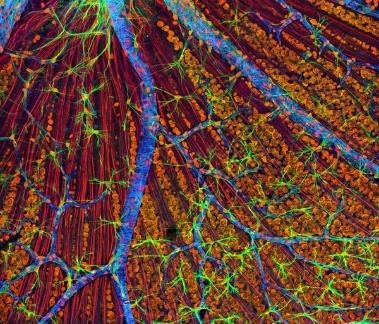
- In a historic milestone for longevity science, the first human patient has been dosed in a groundbreaking clinical trial testing a gene therapy designed to reverse cellular aging.
- Led by the Boston-based biotechnology company Life Biosciences, the Phase 1 trial tests an experimental treatment called ER-100, which aims to safely “reprogram” aging cells back to a younger, more functional state.
- The breakthrough builds on Nobel Prize-winning research regarding “Yamanaka factors” – proteins capable of resetting a cell’s biological clock.
- Side note – In 2006, Dr. Shinya Yamanaka discovered a way to rewrite a cell’s biological identity. By introducing just four specific proteins—now called “Yamanaka factors”—into mature, fully specialized adult cells (like skin cells), he successfully rewound their genetic clocks. This process reprograms them into induced pluripotent stem cells (iPSCs). Essentially, it resets mature cells back into an embryonic-like state. Once reset, these cells regain the incredible ability to transform into almost any cell type in the human body, from heart muscle to neurons. This breakthrough revolutionized regenerative medicine, offering massive potential for disease modeling, drug testing, and tissue repair.
- While full reprogramming turns mature cells back into blank-slate stem cells, this therapy utilizes “partial reprogramming” by introducing three specific genes via a modified virus.
- This resets the cells’ epigenetic age markers (chemical tags on DNA that accumulate over time) without erasing their underlying identity or specialized functions.
- For safety, the trial targets the eye, a highly contained environment. The therapy focuses specifically on retinal ganglion cells to treat age-related optic nerve damage from open-angle glaucoma, a leading cause of permanent blindness.
- Because altering gene expression carries the risk of triggering uncontrolled cell growth or cancer, researchers have implemented a unique molecular switch: the rejuvenation genes only activate when the patient takes the antibiotic doxycycline.
- If side effects occur, stopping the medication shuts the therapy off.
- While the trial will follow up to 18 patients over five years to monitor safety and vision changes, scientists emphasize that this is not a cure for aging. Instead, it is a critical first step to see if cellular rejuvenation can safely treat devastating, age-related diseases in humans.

Honorable Mentions
Story: Water locked in 1-nanometer channels could enable safer energy storage
Source: TechXplore.com Story by Robert Egan
Link: https://techxplore.com/news/2026-06-nanometer-channels-enable-safer-energy.html
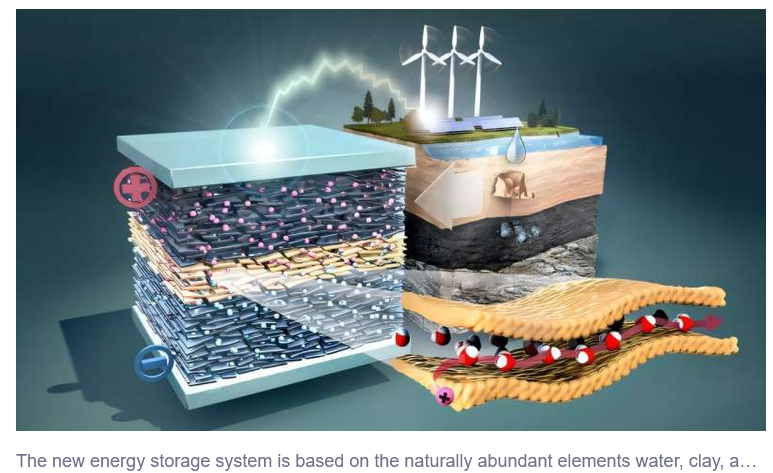
- Researchers at Hamburg University of Technology have created a water-based supercapacitor called the “Blue Capacitor.”
- It uses pure water as the electrolyte, stored inside nanometer-sized clay channels, enabling it to hold and transport electrical charge.
- The device remains stable over 60,000+ charging cycles, showing no significant degradation.
- It operates at a higher voltage than typical water-based systems, which is notable because pure water is usually a poor medium for energy storage.
- The project aims to develop safer, more sustainable energy-storage technologies using abundant materials instead of complex chemical compounds.
Why This Matters
- Traditional batteries and supercapacitors rely on salts, acids, or organic solvents to conduct electricity. This research shows that pure water, when confined at the nanoscale, can perform the same role.
- The breakthrough could lead to environmentally friendly, non-toxic energy storage solutions.
- Long cycle life (60,000+ cycles) suggests strong potential for real-world applications where durability is critical.
////////////////////////////////////////////////////////////////////////////////////////////////////////////////////////////////////////////
Story: Autonomous Bee Habitats – Hyve is a Mobile Beekeeping Concept Designed to Support Pollinator Health
Source: TrendHunter.com Story by Amy Duong
Link: https://www.trendhunter.com/trends/hyve-1

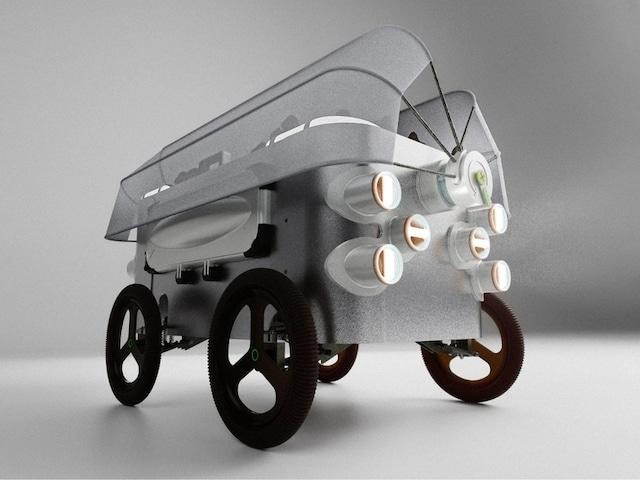
- Hyve is an innovative concept for an autonomous beekeeping vehicle designed to help protect bees and improve pollination. Created by designer Nicolas Nielsen, the project was recognized as a finalist in the 2026 Rimowa Design Prize. The vehicle combines transportation, robotics, and beekeeping into one mobile system that can safely move bee colonies where they are needed most.
- The design includes a protected living space for bees beneath a translucent mesh canopy that provides ventilation, light, and shelter. Circular openings allow bees to fly in and out naturally. Inside, the habitat is separated from the vehicle’s mechanical systems to keep the colony safe and healthy during transport.
- Hyve is powered by a hydrogen fuel cell and uses four independently driven wheels, allowing it to travel autonomously while producing low emissions. This environmentally friendly design supports sustainable farming and conservation efforts.
- The concept could benefit agriculture by delivering bee colonies to farms based on flowering seasons and pollination needs. It may also help conservation programs protect pollinators by relocating hives to suitable habitats as environmental conditions change. Beyond farming, the project demonstrates how robotics can be used to support living organisms instead of simply performing mechanical tasks.
- Overall, Hyve presents a forward-thinking solution that combines clean energy, autonomous technology, and environmental conservation to address declining bee populations while improving crop pollination and supporting biodiversity. It highlights how technology can play a positive role in protecting essential ecosystems.
////////////////////////////////////////////////////////////////////////////////////////////////////////////////////////////////////////////
Story: Mining batteries, in a microwave – Microwave-based method to upcycle old lithium-ion cathodes
Source: EurekAlert.org Story from DOE/Sandia National Laboratories
Link: https://www.eurekalert.org/news-releases/1132337
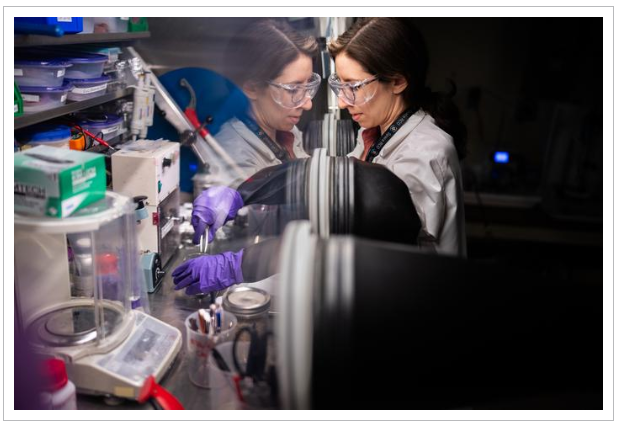
- Researchers at Sandia National Laboratories have developed a microwave-based method to recover and improve cathode materials from used lithium-ion batteries. Cathodes are one of the most expensive battery components because they contain valuable metals such as lithium and cobalt. Since much of the world’s cobalt comes from a limited number of countries, recycling these materials could strengthen domestic supply chains while reducing waste.
- Instead of using traditional high-temperature furnaces, the new process uses a specialized microwave reactor to break old cathode material into tiny layers called nanosheets. This reduces processing time from about seven days to only two hours while increasing the amount of usable material recovered from 60% to 95%.
- The nanosheets make it easier for scientists to replace some cobalt with nickel, a less expensive material now commonly used in modern electric vehicle batteries. This allows recycled cathodes to match current battery designs rather than outdated ones. The process also repairs tiny defects that develop during battery use and removes impurities, improving the quality of the recycled material. The recovered cobalt can then be reused to create additional cathodes, making the process even more efficient.
- Researchers are now refining the technology, studying its economic potential, and working with industry partners to bring it to market. Early analyses suggest the method could increase recycling profits by at least 30% compared with current recycling techniques. The approach may also be adapted for future sodium-ion and zinc-ion batteries, expanding its potential benefits for clean energy storage.
////////////////////////////////////////////////////////////////////////////////////////////////////////////////////////////////////////////
Story: This Magnetic Charging Breakthrough Lets Electric Ships Recharge Wirelessly at Sea
Source: BGR.com Story by Aaron Greenbaum
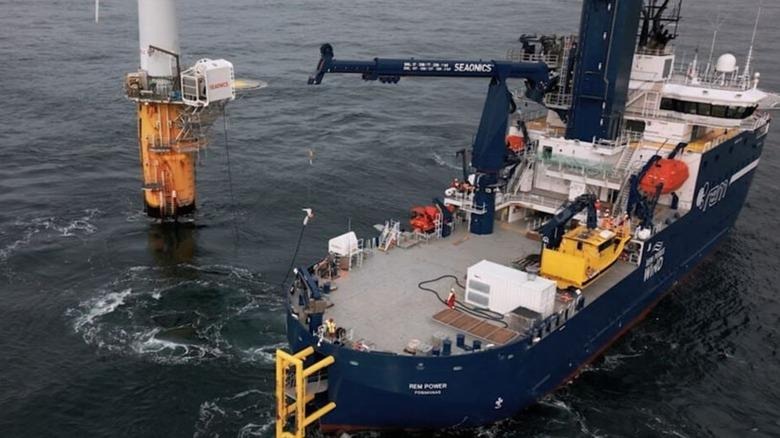
- Researchers in SINTEF [The Company (or Foundation) for Industrial and Technical Research at the Norwegian Institute of Technology] and shipbuilder Vard are testing a new way to charge electric ships at sea—without metal plugs or cables touching directly. The idea works much like wireless charging for a smartphone, but on a much larger scale. Instead of plugging in, the ship and charging station use magnetic coils to transfer electricity through a magnetic field.
- Side note – SINTEF originally stood for Selskapet for INdustriell og TEknisk Forskning ved Norges tekniske høgskole — which translates to The Company (or Foundation) for Industrial and Technical Research at the Norwegian Institute of Technology.
- This solves a major problem for electric ships: saltwater. Traditional metal connectors corrode quickly in ocean conditions, wear out from constant movement, and require expensive maintenance. By sealing the charging coils inside protective materials, the new system avoids damage from seawater, algae, and rough weather.
- The technology is aimed first at specialized vessels that service offshore wind farms. These ships often have to return to port just to recharge, wasting time and battery power. With this new system, they could recharge directly from wind turbines while still offshore. That would make operations faster, cleaner, and cheaper.