

Show Notes 1 May 2026
Text highlighted in blue identifies notes I have inserted.
Story 1: New Self-Healing Material Could Extend Life of Planes, Cars by Centuries
Source: Newsweek Story by Soo Kim
Link: https://www.newsweek.com/self-healing-material-could-extend-life-planes-cars-centuries-11833122
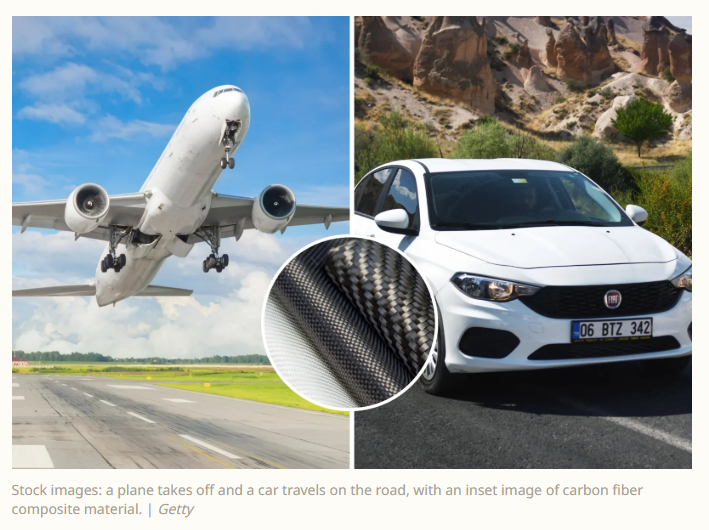
- Researchers at North Carolina State University have developed a groundbreaking “self-healing” fiber-reinforced polymer composite that could extend the lifespan of aircraft, cars, and wind turbines from decades to centuries.
- Here’s the current problem of delamination – Standard composites are lightweight and strong but suffer from delamination, a process where internal layers separate and crack over time due to stress or impact. Traditionally, once these cracks occur, the component must be manually repaired or, more often, replaced and/or sent to a landfill.
- Key aspects of the North Carolina State University “self-healing” fiber-reinforced polymer composite innovation – The new material features two game changing upgrades:
- 3D-Printed Healing Agent: A thermoplastic agent is printed directly onto the fibers, creating a patterned layer that makes the material 2–4 times tougher than standard composites even before healing.
- Internal Heating Layers: Thin, carbon-based heaters are embedded within the material. When an electrical current is applied, these layers heat up and melt the internal thermoplastic, which flows into cracks to “re-weld” the structure from the inside.
- Proven Longevity – In rigorous 40-day lab tests, the material successfully completed 1,000 fracture-and-heal cycles. While the material’s strength eventually declines, it does so incredibly slowly.
- Scientists estimate that with a quarterly “healing” schedule, parts could last 125 years, and with annual maintenance, they could remain functional for up to 500 years.
- Why It Matters – This technology could drastically reduce industrial waste and the massive costs associated with replacing large-scale infrastructure like airplane wings and wind turbine blades, offering a sustainable path for long-term engineering.

Story 2: Chinese Scientists Bioengineering Plants with Firefly [and bioluminescent fungi] Genes to Glow, in Effort to Light Cities at Night
Source: Futurism.com Story by Frank Landymore
Link: https://futurism.com/science-energy/bioengineering-plants-glow-light-cities
See video here: https://www.youtube.com/watch?v=N1FAPvC123Q&t=1s
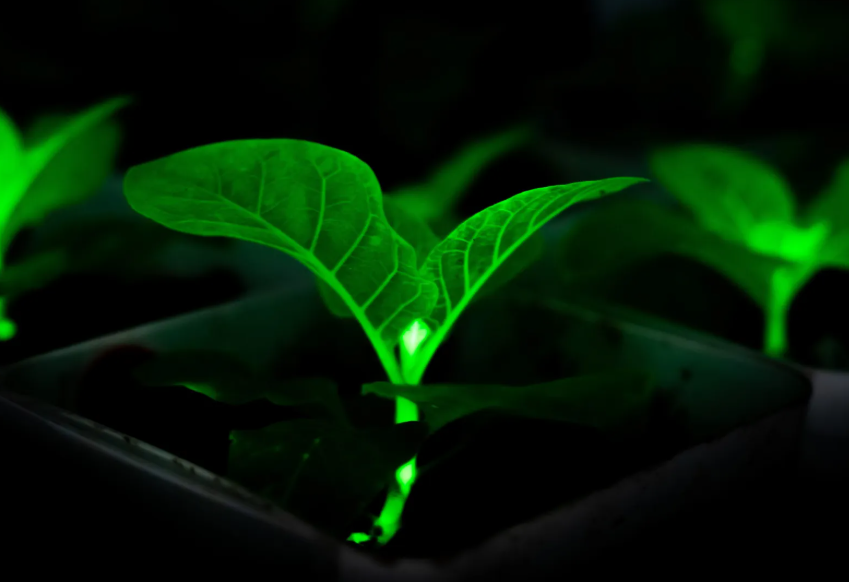

- Scientists are making significant strides in bioengineering plants that glow in the dark, potentially transforming urban landscapes into bioluminescent “Avatar-style” environments.

- Researchers at the China Agricultural University have recently unveiled a breakthrough involving more than twenty species of genetically modified plants, including sunflowers and orchids, that emit a soft, natural light.
- This achievement was possible by splicing genes from fireflies and bioluminescent fungi directly into the plants’ DNA.
- Unlike previous versions that required external chemical sprays or “charging” by sunlight, these plants are self-sustaining. They utilize their own internal metabolic processes to produce light, requiring only water and fertilizer to function.
- While these glowing plants are not yet bright enough to completely replace traditional high-intensity streetlights, they offer a sustainable alternative for lighting parks, walkways, and tourist attractions.
- By reducing the reliance on electricity for nighttime illumination, this technology could significantly lower carbon emissions and energy costs for cities.
- However, challenges remain, such as increasing the brightness of the glow and ensuring the plants can survive the energy drain of producing light over long periods. As the technology matures, scientists envision a future where nature and technology blend, creating energy-efficient cities that light up organically as the sun sets.

Story 3: Scientists use AI to create ultra-strong, rust-proof steel for 3D-printed parts
Source: InterestingEngineering.com Story by Christopher McFadden
Link: https://interestingengineering.com/innovation/ai-creates-rust-proof-steel
See video here: https://www.youtube.com/watch?v=gMRDl64Ixq4&t=9s
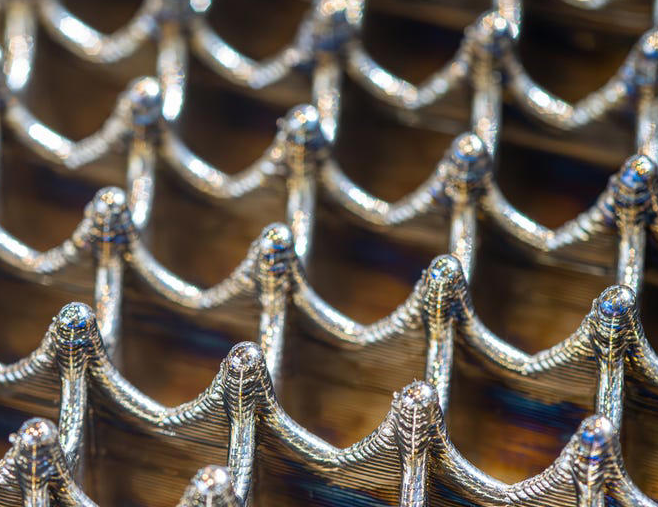
- Researchers from the University of South China and Purdue University have used artificial intelligence to develop a new class of 3D-printed steel that is exceptionally strong, flexible, and rust-resistant.
- Traditionally, creating high-performance steel for 3D printing is a slow, expensive process involving trial-and-error and the addition of costly elements like cobalt. This new AI-driven approach bypasses those hurdles, offering a “recipe” that is both cheaper and faster to produce.
- How the AI Designed the Steel:
- Instead of treating AI as a “black box,” the team used “interpretable machine learning.” They fed the algorithm 81 different physical and chemical traits of elements—such as atomic size and electron behavior.
- Side note – Interpretable machine learning refers to machine-learning methods whose internal logic and decision-making processes can be understood by humans, rather than functioning as opaque “black boxes.” In other words, an interpretable model makes it possible to explain why a prediction was made, not just what the prediction is.
- The AI used this data to predict a specific blend of iron and chromium mixed with inexpensive materials like silicon, copper, and aluminum.
- Key Breakthroughs:
- Superior Strength and Flexibility: The resulting steel reached a tensile strength that is roughly 30% stronger and twice as flexible as standard printed metals.
- Rapid Processing: While conventional high-strength steels often require days of heat treatment, this alloy achieves its properties in just six hours.
- Rust Resistance: High-strength steels usually struggle with corrosion. However, the AI-designed structure uses nanoscale copper particles to ensure chromium stays evenly distributed, creating a protective shield against rust that outperforms many commercial stainless steels.
- This innovation could revolutionize industries like aerospace, marine engineering, and energy, where durable, corrosion-resistant parts are essential.

Story 4: Smart contact lens monitors eye pressure and delivers glaucoma drugs in early tests
Source: Statnews.com Story by Annalisa Merelli
Link: https://www.statnews.com/2026/04/08/glaucoma-smart-contact-lens-combines-monitoring-drug-delivery/
See research paper here: https://www.science.org/doi/10.1126/scitranslmed.ads9541

- Glaucoma is a leading cause of blindness, primarily driven by high intraocular pressure (IOP) that damages the optic nerve. Traditional management relies on daily eye drops, which are often difficult for patients to administer correctly, and infrequent clinic visits that only provide a “snapshot” of eye pressure, missing dangerous spikes that often occur at night.
- The newly developed smart contact lens developed by the Terasaki Institute for Biomedical Innovation based in Los Angeles, Calif. is a device that combines diagnosis (monitoring) and therapy (drug delivery) into one wearable unit.
- Continuous Monitoring:
- Using ultra-thin, transparent sensors, the lens tracks subtle changes in the eye’s curvature.
- These changes reflect fluctuations in internal pressure.
- The data is transmitted wirelessly to a smartphone, allowing doctors to see a 24-hour profile of the patient’s eye health.
- When the sensors detect a significant pressure spike, the lens automatically triggers the release of medication (such as brimonidine) from an integrated hydrogel layer.
- Why It Matters – This technology solves the issue of patient “non-compliance” by removing the need for manual drops.
- By delivering medicine only when needed, it also reduces potential side effects from over-medication.
- While still in the clinical testing phases, this integration of real-time data and responsive treatment represents a major shift toward personalized, “set-it-and-forget-it” healthcare for chronic eye conditions.

Honorable Mentions
Story: Low-frequency wireless sensor tracks artery stiffening in real time with less interference
Source: BioTechToday.com
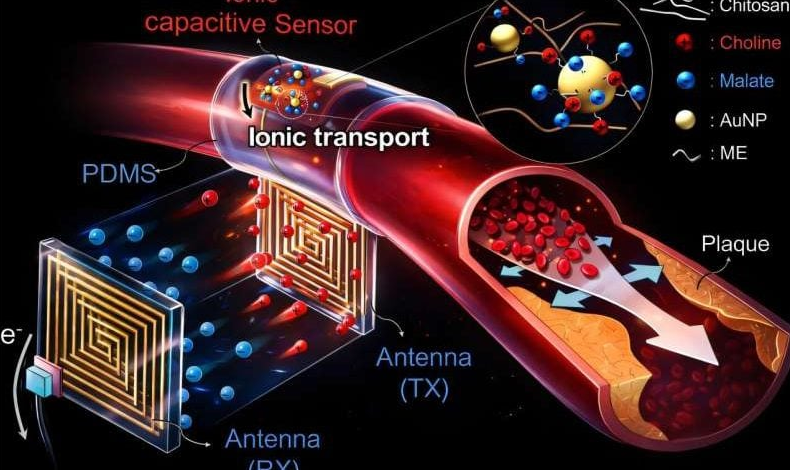
- In a breakthrough for cardiovascular health monitoring, researchers have developed a low-frequency wireless sensor designed to track artery stiffening and blood pressure in real time.
- Published in the journal Nature Communications, the research was led by a joint team from the Korea Advanced Institute of Science and Technology (KAIST) and Hanyang University.
- The Problem: Frequency and Safety
- Traditional wireless medical sensors typically operate at high frequencies (megahertz range). While effective at capturing data, these high frequencies often cause:
- Electromagnetic Interference (EMI): Signals get “noisy” or interrupted by other electronics.
- Tissue Heating: High-frequency waves can generate heat, posing potential safety risks to human tissue during long-term use.
- The Solution: The WiLECS Platform
- The team created a platform called WiLECS (Wireless Ionic-Electronic Coupling System). Unlike conventional sensors that rely on high frequencies to maintain sensitivity, WiLECS uses a unique ionic material that stores a high amount of electrical charge (capacitance).
- When blood pressure or arterial stiffness changes, it causes ions within the sensor to move, creating a large shift in the electrical signal. This allows the device to operate at frequencies below 1 megahertz, significantly reducing interference and health risks while maintaining high sensitivity.
- Clinical Impact
- Tested in artificial blood vessel models, the sensor successfully monitored real-time changes associated with arteriosclerosis (the hardening of arteries). This technology paves the way for stable, next-generation wearable or implantable devices that can provide constant heart health data without the drawbacks of traditional wireless electronics.
////////////////////////////////////////////////////////////////////////////////////////////////////////////////////////////////////////////
Story: A Bizarre Worm Could Teach Humans to Regenerate, Scientists Say
Source: Popular Mechanics Story by Darren Orf
Link: https://www.popularmechanics.com/science/animals/a69047453/stem-cell-worm-regeneration/
See video here: https://www.youtube.com/watch?v=XNQK2-XdZD0

- Scientists have long been fascinated by the planarian flatworm, a creature capable of regrowing its entire body from a tiny fragment. Recent research highlighted by Popular Mechanics has uncovered new secrets behind this “immortal” ability, challenging traditional biological textbooks about how stem cells function.
- The secret lies in the worm’s massive reservoir of pluripotent stem cells, which make up about 15% of its body (compared to less than 1% in humans). These cells can transform into any tissue type—muscle, skin, or even a new brain. Traditionally, scientists believed stem cells required a “niche”—a specific neighborhood of supportive cells—to tell them what to become. However, this new study found that planarian stem cells are surprisingly independent.
- Researchers identified a new type of giant, multi-armed cell they named “hecatonoblasts.” While these cells surround the stem cells, they don’t actually control them. Instead, the study found that the worm’s intestinal cells provide the necessary signals for regeneration, even without direct physical contact. This suggests that stem cells can be governed by distant signals rather than just their immediate environment.
- Understanding how these worms manage such rapid growth without developing cancer—which is essentially unchecked cell growth—could be revolutionary. By decoding these “rules” of regeneration, scientists hope to eventually unlock similar healing powers in humans, potentially leading to advanced treatments for organ damage or limb loss.
////////////////////////////////////////////////////////////////////////////////////////////////////////////////////////////////////////////
Story: Common Vitamin May Reduce Buildup of Alzheimer’s Proteins, Study Finds
Source: ScienceAlert.com Story by David Nield
Link: https://www.sciencealert.com/common-vitamin-may-reduce-buildup-of-alzheimers-proteins-study-finds
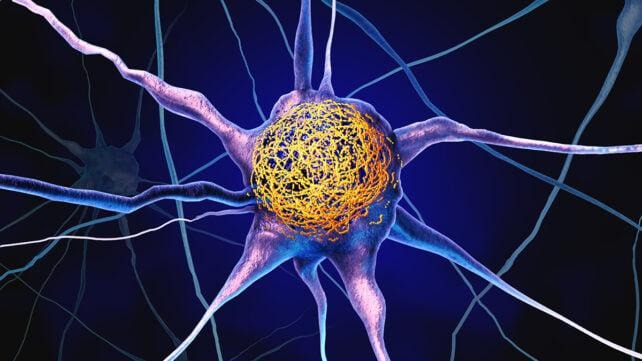
- New research has linked levels of vitamin D in midlife with toxic tangles of tau protein that accumulate in the brains of those with Alzheimer’s disease.
- A statistical analysis of blood samples and brain scans from 793 adults showed that the more vitamin D in someone’s system in middle age, the lower the amount of tau protein tangles they tended to have years later.
- The finding comes from an international team of researchers, and while it doesn’t prove direct cause and effect, it suggests an association that’s worth looking at.
- “These results suggests that higher vitamin D levels in midlife may offer protection against developing these tau deposits in the brain and that low vitamin D levels could potentially be a risk factor that could be modified and treated to reduce the risk of dementia,” says neuroscientist Martin David Mulligan, from the University of Galway in Ireland.
////////////////////////////////////////////////////////////////////////////////////////////////////////////////////////////////////////////
Story: Scientists Found a Way to Grow Potatoes Under Solar Panels Without Losing Yield
Source: Now Solar
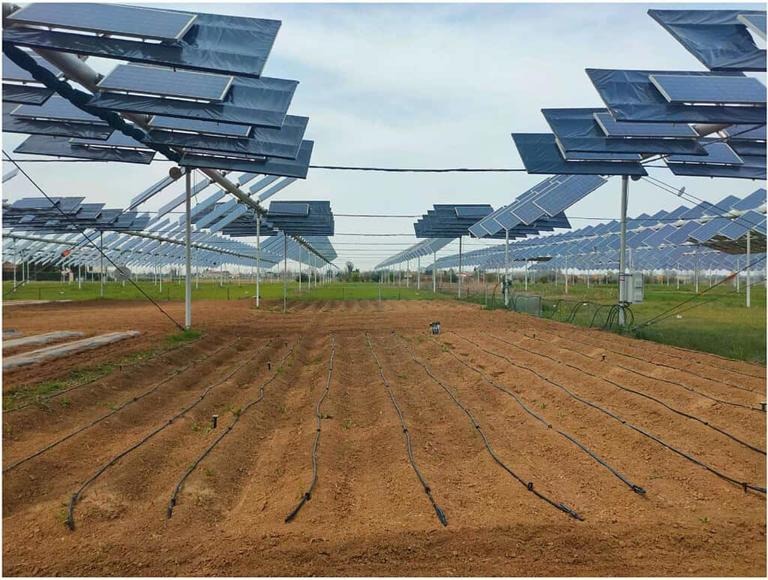
- Potatoes can be grown under solar panels — if shade is managed carefully
- A four-year Italian study (2021–2024) tested potato crops under different solar-panel shading setups.
The key finding: potato yields did not drop when shade was controlled properly.
- The experiment tested multiple shading strategies, researchers compared:
- Full sun (open field)
- Standard dual-axis tracking panels with moderate shade
- Heavier-shade configurations
- A one-year “anti-tracking” maneuver, where panels were rotated away during the crop’s most sensitive growth stage
- This allowed them to isolate how much shade potatoes can tolerate.
- Potatoes proved resilient and compatible with agrivoltaics
- Potatoes are:
- Nutrient-dense and robust
- Already studied by NASA for space agriculture
- Capable of growing well even with partial shade, as long as it’s timed and managed correctly
- Implication: agrivoltaics can expand without sacrificing food production – The study supports the idea that solar farms and agriculture can coexist, reducing land-use conflicts by growing crops beneath elevated solar arrays.