


Show Notes 26 June 2026
Text highlighted in blue identifies notes I have inserted.
Story 1: World’s Most Powerful Tidal Turbine ‘Orbital O2’ Begins Operations Off Scotland’s Orkney Islands
Source: MarineInsight.com Stry by MI News Network
See also: https://www.orbitalmarine.com/
See video here: https://www.youtube.com/watch?v=kSM3WukK_cg

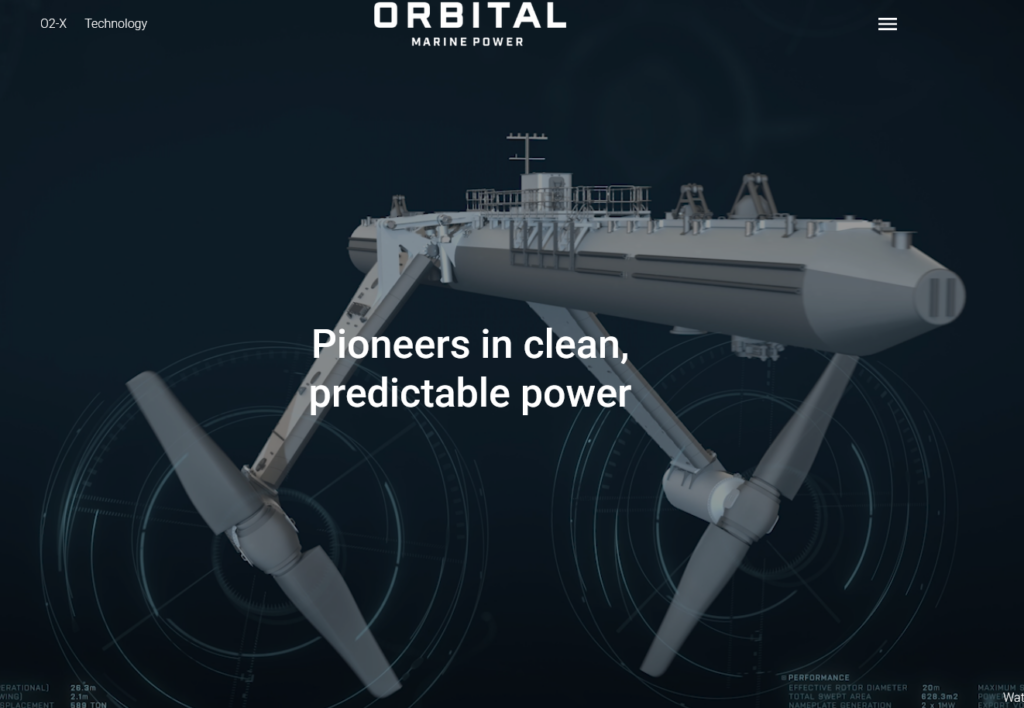
- The article describes the start of operations for the Orbital O2, the world’s most powerful working tidal turbine, located off the coast of Scotland’s Orkney Islands.
- Developed by Orbital Marine Power, the floating turbine has a capacity of 2 megawatts and uses the movement of ocean tides to generate clean electricity.
- The O2 is installed at the European Marine Energy Centre, a leading testing site for marine renewable energy where tidal currents are especially strong.
- The turbine consists of a 74-meter-long floating platform anchored to the seabed. [This allows the hull to ride out massive storm waves rather than absorbing the sheer force structurally, drastically reducing mechanical fatigue].
Another key advantage over traditional ocean tidal generators: it uses an advanced 360-degree blade pitching system. When the tide reverses direction, the turbine blades simply twist their pitch completely around. This allows the O2 to seamlessly generate electricity from both bidirectional tidal flows.
- Two underwater turbine units, each containing a 1 MW generator, are mounted on retractable legs. As tidal currents flow through the area, the rotors spin and produce electricity.
- The Orbital O2 can generate enough electricity to supply approximately 2,000 homes and is expected to prevent around 2,200 tons of carbon dioxide emissions each year.
- Its floating design also makes maintenance easier because the turbines can be raised above the water surface for servicing, reducing operational costs.

Story 2: Helion secures world’s first regulatory licenses for fusion power plant being built in Washington
Source: Geekwire Story by Lisa Stiffler
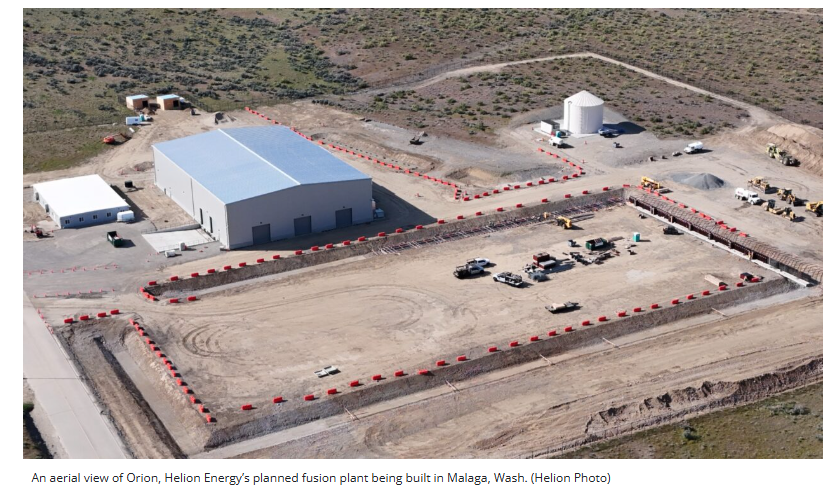
- Helion Energy has become the first company in the world to receive regulatory licenses for a commercial fusion power plant. The licenses were granted by the Washington State Department of Health and allow Helion to move forward with construction and operation of its fusion facility, called Orion, near Malaga, Washington.
- Side note – Reminder about fusion vs. fission:
- Nuclear Fission: A heavy atom splits apart into smaller ones. This is the process used in current nuclear power plants.
- Nuclear Fusion: Light atoms smash together to form a heavier one. This is the process that powers the sun and stars.
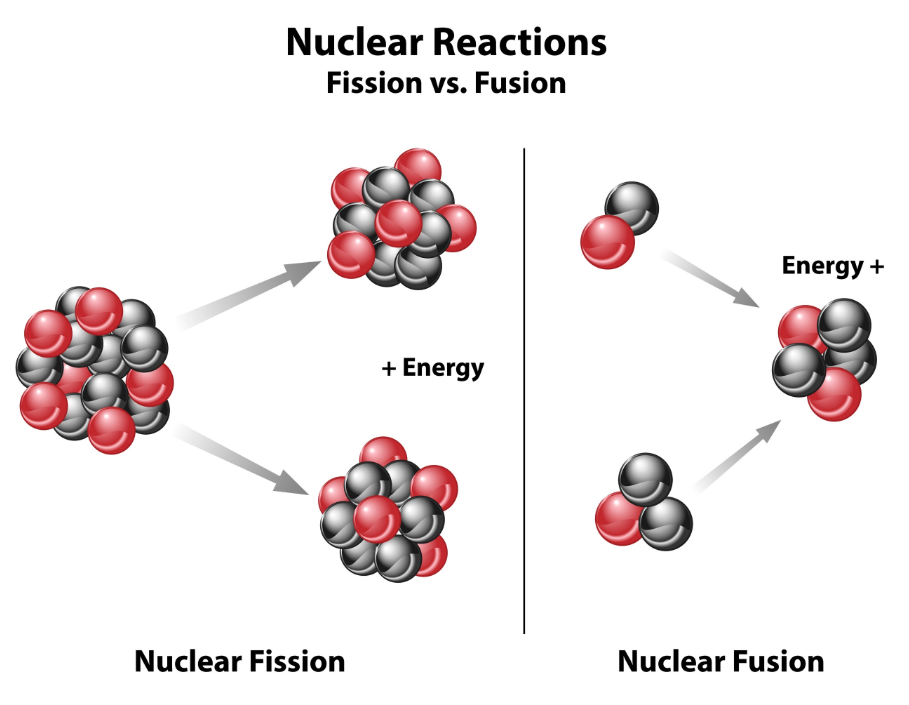
- Unlike traditional nuclear fission plants, fusion has the potential to provide large amounts of carbon-free energy with less long-lived radioactive waste.
- Reality check: However, no company has yet demonstrated a fusion power system that consistently produces more energy than it consumes.
- Helion is one of more than 40 companies worldwide trying to commercialize fusion power.
- In 2023, the company signed an agreement with Microsoft to begin supplying electricity to a data center by 2028 if its technology succeeds.
- The Orion plant is expected to generate 50 megawatts of electricity. Helion has also raised about $1.5 billion in total funding, including a recent $463 million investment round.
- The article notes that experts remain divided on how quickly fusion can become practical and affordable. Still, regulators and lawmakers have been adapting rules to support the emerging industry, and Helion’s licensing milestone is viewed as a significant step toward making fusion energy a commercial reality.

Story 3: Circularity Fuels Converts Raw Dairy Biogas to Jet Fuel in World First End-to-End Pilot
Source: Renewable Energy News Story by Beth Anton
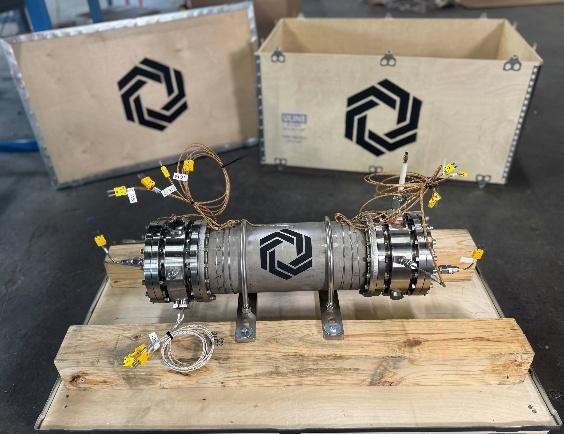
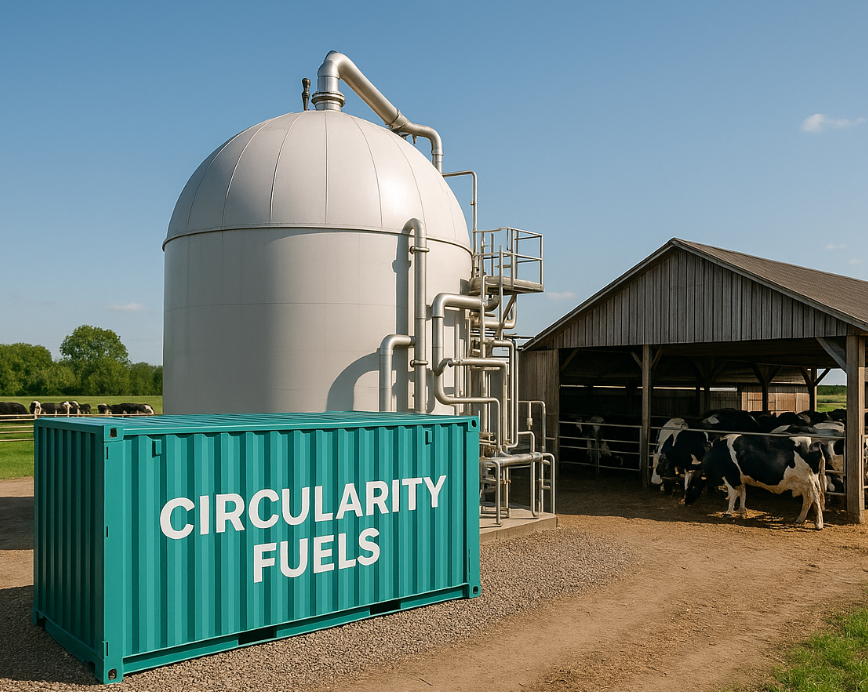
- A company called Circularity Fuels has successfully demonstrated a new way to make sustainable aviation fuel from dairy farm waste. In what it describes as the world’s first complete end-to-end pilot [test], the company converted raw biogas from cow manure directly into jet fuel.
- The six-month pilot took place at a large dairy farm near Madera, California, where methane-rich biogas from manure is normally vented into the atmosphere.
- Instead of treating the gas extensively before use, Circularity Fuels processed it directly, producing jet fuel that meets industry standards and can be blended with conventional aviation fuel.
- Side note – “processed it directly” means that Circularity Fuels skipped a bunch of the usual, complex cleanup steps and turned the raw gas straight into jet fuel.
- Normally, when you capture or produce a raw gas (like biogas or industrial syngas) to make fuel, it contains a lot of impurities, moisture, or unwanted compounds.
- Standard practice requires treating that gas “extensively”—meaning it goes through multiple separate stages of filtering, scrubbing, and chemical refining just to get it clean enough to use as a starting material.
- In simple terms, their process has [only] two main steps:
- Step 1: Convert raw biogas into syngas
- Dairy manure produces biogas that is roughly 65% methane (CH₄) and 35% carbon dioxide (CO₂).
- Instead of removing the CO₂ first (which is expensive), Circularity feeds the raw biogas directly into its Ouro reactor.
- Using electricity, the reactor converts both the methane and much of the CO₂ into syngas—a mixture of carbon monoxide (CO) and hydrogen (H₂).
- Step 2: Convert syngas into jet fuel
- The syngas then goes into the Aion reactor, which uses a version of the well-known Fischer–Tropsch process.
- Side note: The Fischer–Tropsch (FT) process is a collection of chemical reactions that converts a mixture of carbon monoxide ($CO$) and hydrogen ($H_2$)—collectively known as syngas (synthesis gas)—into liquid hydrocarbons. Essentially, it is a method for turning a gas into synthetic liquid fuels (like diesel, gasoline, and kerosene) and lubricating oils. How It WorksThe process typically takes place at high temperatures (150–300°C or 300–572°F) and high pressures (one to several tens of atmospheres) in the presence of a metal catalyst, usually iron or cobalt.
- This chemically assembles the CO and H₂ molecules into liquid hydrocarbons that are refined into sustainable aviation fuel.
- The company says its technology is much cheaper than many other sustainable aviation fuel production methods because it uses low-cost waste biogas and avoids expensive gas-cleaning steps. Its modular reactor system is designed to work at individual farms and other small biogas sites, making production more decentralized and scalable.
- With the pilot now completed, Circularity Fuels plans to build its first commercial-scale facility in 2027 and expand the technology to agricultural regions across the United States, Latin America, and Europe.

Story 4: Ultrasound-based pacemaker noninvasively steadies the heart – The new design could offer a surgery-free alternative to traditional cardiac implants.
Source: MIT News Story by Jennifer Chu
Link: https://news.mit.edu/2026/ultrasound-based-pacemaker-noninvasively-steadies-heart-0602


- Researchers at the Massachusetts Institute of Technology have developed a new type of pacemaker that could one day regulate heartbeats without surgery. Instead of being implanted inside the body like traditional pacemakers, the new device is a small “sticker” placed on the chest that uses ultrasound waves to stimulate the heart.
- Traditional pacemakers use wires and electrical signals to control heart rhythm. While they have saved millions of lives, they require surgery and the device must remain inside the body.
- MIT’s new approach uses ultrasound, which can safely pass through body tissue, to activate heart cells from outside the body.
- The technology combines ultrasound with a technique called sonogenetics. Scientists modified heart cells so they become more sensitive to ultrasound. When the ultrasound waves reach these cells, they open special channels that allow calcium to enter. This calcium signal causes the heart cells to contract and beat.
- Side note – Sonogenetics is an emerging scientific field that uses focused ultrasound waves to non-invasively control the activity of specific cells inside the body, most notably neurons in the brain. Similar to optogenetics—which uses light to stimulate cells—sonogenetics relies on genetic engineering to deliver specialized, sound-sensitive proteins (ion channels) to targeted cells. Once these proteins are in place, a low-intensity ultrasound burst from outside the body can cause them to open, triggering or suppressing cellular activity with high precision without the need for invasive brain implants or surgeries.
- In laboratory tests, the technology helped engineered human heart cells maintain regular contractions. The researchers also tested a smaller version of the device on rats and found that it could correct irregular heart rhythms and restore normal heartbeats without invasive surgery.
- The prototype is about the size of a postage stamp and connects to a small external device containing electronics and batteries. The researchers hope future versions could combine heart monitoring and stimulation in one wearable patch.
- The technology is still experimental and would need further testing before being used in people. However, it represents a possible future where some patients could control heart rhythm with a wearable device instead of an implanted pacemaker.

Honorable Mentions
Story: Waste oils and fats to be turned into low-emission jet fuel with new modular tech – Brazil’s Bahia project will use Honeywell’s Ecofining process to convert waste oils and fats into lower-emission aviation fuel and renewable diesel.
Source: Interesting Engineering Story by Sujita Sinha
Link: https://interestingengineering.com/energy/honeywell-brazil-cleaner-jet-fuel
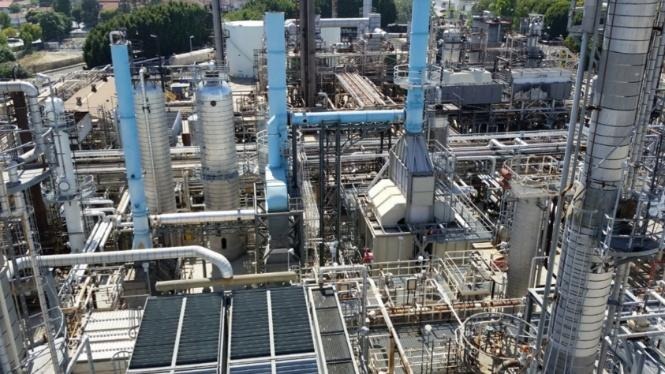
- Honeywell has been chosen by Brazil’s state-owned energy company, Petrobras, to help develop one of Latin America’s first large-scale sustainable aviation fuel (SAF) projects. The project will be built at Petrobras’s REPLAN refinery in the state of São Paulo and could produce up to 10,000 barrels of cleaner jet fuel per day if approved.
- The key innovation is Honeywell’s Ethanol-to-Jet (ETJ) technology. Instead of relying on traditional petroleum, the process converts ethanol—mainly made from Brazil’s abundant sugarcane—into sustainable aviation fuel. This offers a lower-carbon alternative for airlines while making use of a renewable resource that Brazil already produces on a large scale.
- Aviation is one of the hardest industries to decarbonize because airplanes require high-energy fuels. Sustainable aviation fuel is seen as one of the most practical ways to reduce emissions without redesigning existing aircraft. Honeywell says its ETJ technology can help expand sustainable aviation fuel production more quickly and economically than some alternative methods.
- The project could strengthen Brazil’s position as a global leader in renewable fuels. With its large sugarcane industry, established ethanol infrastructure, and growing investment in cleaner energy, Brazil is well positioned to become a major supplier of sustainable aviation fuel for both domestic and international airlines.
- Overall, the initiative represents an important step toward reducing aviation’s environmental impact while creating a new market for Brazil’s renewable fuel resources.
////////////////////////////////////////////////////////////////////////////////////////////////////////////////////////////////////////////
Story: Nanoengineered wood sets new record for transformer insulation
Source: TechXplore.com Story by Lisa Lock
Link: https://techxplore.com/news/2026-06-nanoengineered-wood-insulation.html
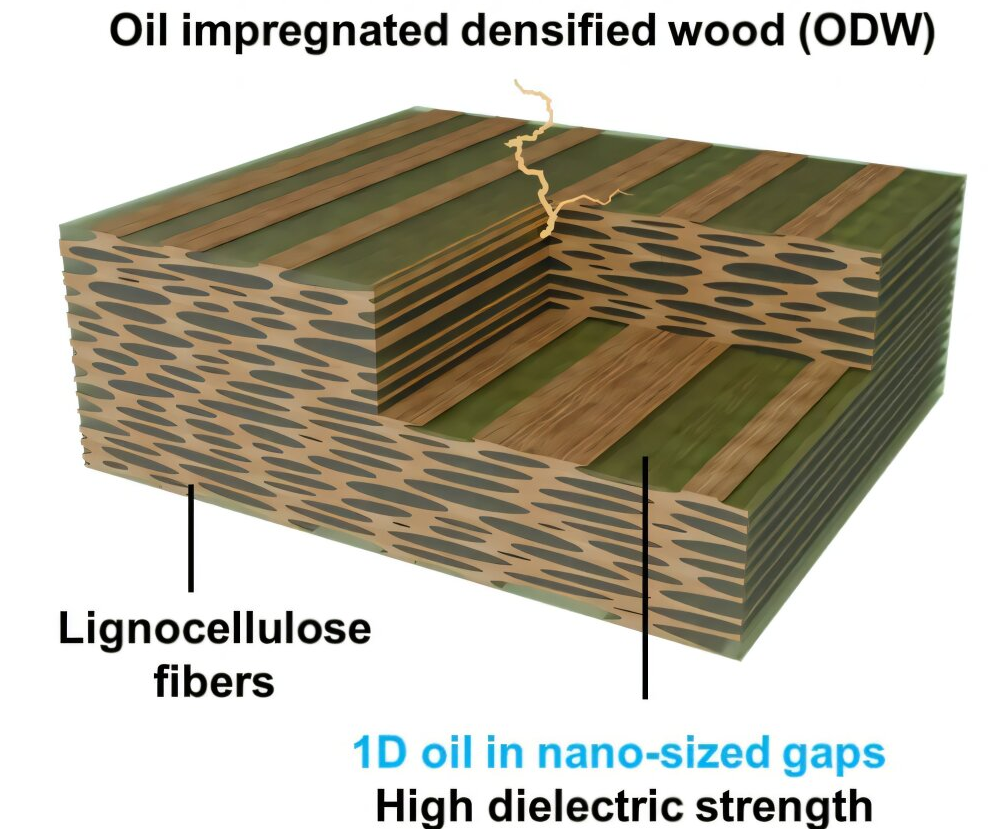
- Researchers at Yale University have developed a new type of wood-based material that could improve the reliability and lifespan of power transformers. The material, called oil-impregnated densified wood (ODW), uses specially engineered wood instead of the traditional paper insulation currently used in many transformers.
- Power transformers are critical parts of the electrical grid, but their insulation can fail over time due to heat, electrical stress, and aging. Traditional transformer insulation uses oil-soaked paper made from cellulose fibers. However, the oil inside the paper forms connected pathways where electrical breakdowns can spread, leading to failures.
- To create the new material, scientists started with thin wood pieces and treated them to remove some natural components. They then soaked the wood in insulating oil and compressed it. This process changed the wood’s internal structure, shrinking the oil-filled spaces into tiny, separated channels at the nanoscale. These isolated channels help stop electrical failures from spreading.
- The new wood insulation showed several advantages. It was about 3.5 times stronger than conventional transformer paper insulation and transferred heat more effectively. In testing, it kept more of its strength after being exposed to high temperatures for weeks. A test transformer using the wood-based insulation also operated about 10°C cooler than one using conventional materials, which could help equipment last longer.
- The researchers believe this technology could help modernize aging electrical grids and support growing electricity demands from electric vehicles, renewable energy, and data centers. Because the process can work with different types of wood and may be produced using industrial methods, the material could eventually be used not only in transformers but also in motors and other electrical devices.
////////////////////////////////////////////////////////////////////////////////////////////////////////////////////////////////////////////
Story: World-first hydrogen-powered ‘gas station’ for ships passes key trials
Source: New Atlas Story by Omar Kardoudi
Link: https://newatlas.com/marine/elire-maritime-hydrogen-power-hub/
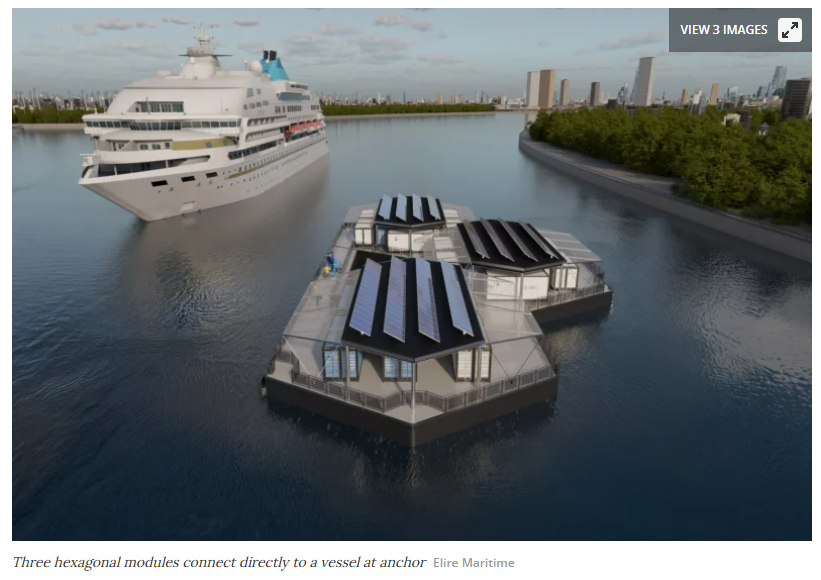

- The article describes a new floating hydrogen-powered energy system designed to help ships reduce pollution while docked at ports. Developed by the UK company Elire Maritime and its partners, the Hydrogen Power Hub acts like a floating “clean energy station” that can provide electricity to ships without requiring expensive upgrades to a port’s electrical grid.
- Many large ships keep their diesel engines running while in port to provide electricity for lights, air conditioning, and onboard equipment. This creates air pollution near cities. The Hydrogen Power Hub uses hydrogen fuel cells to generate electricity, producing water as the main byproduct instead of carbon emissions.
- The system is made of three connected floating modules covering about 1,200 square meters. It can deliver up to 5 megawatts of continuous power and store energy in large batteries. The stored electricity can then be quickly supplied to ships when they arrive, similar to a very large rechargeable power bank. The platform also includes solar panels to provide extra energy.
- The technology has completed engineering tests, including checks for stability, safety, and operation without a connection to the electrical grid. Supporters say it could allow ports to cut emissions much faster than building traditional shore-power systems, which can take years of construction and upgrades.
- A major challenge is cost. Electricity from the hydrogen system is expected to be more expensive than power from the grid or diesel generators. However, the company argues that the ability to quickly deploy and move the floating hub could make it valuable for ports that need cleaner energy solutions without major construction projects.
- Overall, the Hydrogen Power Hub represents a possible new approach for reducing shipping pollution and helping ports transition toward cleaner energy.
////////////////////////////////////////////////////////////////////////////////////////////////////////////////////////////////////////////
Story: A solar-powered rubbish-eating boat? The vessel chomping plastic waste out of the sea – Guided by floating barriers, the Interceptor has already stopped more than 143,000lbs of rubbish from entering the Pacific from one LA river
Source: The Guardian Story by Katharine Gammon

- A new solar-powered boat is helping remove plastic waste from waterways before it reaches the ocean. The machine, called the Interceptor, was created by The Ocean Cleanup and is being tested at the mouth of Ballona Creek in Los Angeles. Its goal is to stop trash flowing from rivers into the Pacific Ocean.
- The boat works by using floating barriers that guide rubbish toward the machine. A conveyor belt then lifts the waste from the water and moves it into large storage containers. Solar panels on the boat provide power, allowing the system to operate with renewable energy. The collected waste includes plastic bottles, food containers, and other floating debris.
- The Los Angeles project is important because rivers are one of the main pathways that carry plastic pollution into the ocean. The Interceptor system is designed to capture waste before it spreads into marine environments, where it can harm wildlife and break down into smaller microplastic particles.
- The system can store large amounts of rubbish and automatically alerts workers when it needs to be emptied. The Los Angeles version has already prevented more than 143,000 pounds of trash from reaching the Pacific Ocean. The Ocean Cleanup organization is also operating similar systems in other locations and hopes to expand the technology to more polluted rivers around the world.
- Although the boat is not a complete solution to the global plastic problem, it shows how technology can help reduce pollution. Experts note that preventing plastic waste in the first place is still essential, but cleaning rivers before trash reaches the ocean can be a useful part of a larger environmental strategy.