


Show Notes 17 July 2026
Text highlighted in blue identifies notes I have inserted.
Story 1: Ultra-thin transparent solar cells promise invisible charging for wearables, cars, and homes
Source: DigitalTrends.com Story by Sudhanshu Kumar Mangalam

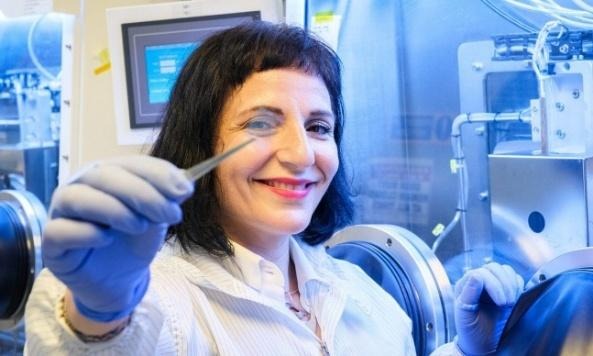
- Scientists at Nanyang Technological University in Singapore have created ultra-thin, transparent perovskite solar cells designed to blend seamlessly into everyday glass surfaces.
- Side note – Perovskite solar cells offer several major advantages over traditional silicon panels, centered on efficiency, cost, flexibility, and new application possibilities.
- Key Advantages
- Higher efficiency potential — Lab devices have already exceeded 30% efficiency, and multi-junction designs could reach 45%, surpassing silicon’s practical limit of ~29%. Perovskites also tolerate lower material purity while still achieving strong performance.
- Low-cost, simpler manufacturing — Perovskites can be made using solution-based, low-temperature processes, enabling roll-to-roll printing and reducing factory complexity, energy use, and capital costs. This makes them cheaper to produce than silicon, which requires multiple high-temperature, high-purity manufacturing steps.
- Lightweight and flexible — Perovskite films can be deposited on plastic or flexible substrates, enabling applications like wearable electronics, portable chargers, curved surfaces, and building-integrated photovoltaics (BIPV).
- Tunable bandgap & broad-spectrum absorption — Their chemistry can be adjusted to absorb different wavelengths, improving performance in indoor light, low-light, indirect light, and enabling tandem cells that boost total energy output when paired with silicon.
- Transparency & aesthetic integration — Perovskites can be made semi-transparent, allowing integration into windows, facades, and architectural elements without blocking light.
- Sustainability & recyclability — Many perovskite modules use abundant materials, generate less manufacturing waste, and can reach near-100% recyclability.
- These new cells are about 10,000 times thinner than a single human hair and far thinner than typical perovskite cells.
- Because these ultra-thin, transparent perovskite solar cells are semi-transparent and color-neutral, they could be added to windows, car sunroofs, smart glasses, wearables, and building façades without changing how those surfaces look.
- The new experimental cells can produce electricity even under indirect or diffuse light, making them suitable for dense urban environments.
- In testing, the most efficient version reached about 12% efficiency, while a semi-transparent 60-nanometer version allowed 41% of visible light to pass through and achieved 7.6% efficiency.
- Side note – Mainstream commercial solar panels typically operate around 20–22% efficiency, with most products on the market falling between 15–22% depending on technology.
- Efficiency, in the context of solar panels, means the percentage of incoming sunlight that the panel converts into usable electrical power. In other words, if a panel is rated at 20% efficiency, it turns 20% of the solar energy hitting its surface into electricity, and the remaining 80% becomes heat, is reflected, or is otherwise lost.
- These numbers are lower than traditional rooftop [solar] panels, but the benefit is access to surfaces where normal panels cannot be installed.
- Reality check: The technology is still in the lab stage. Nanyang Technological University has filed a patent and is working with companies to explore manufacturing, durability, and large-scale production.

Story 2: Soil power: UK startup Bactery is generating sustainable energy from the earth
Source: University of Bath press release
Be sure to check out the company’s website: https://www.bactery.com/
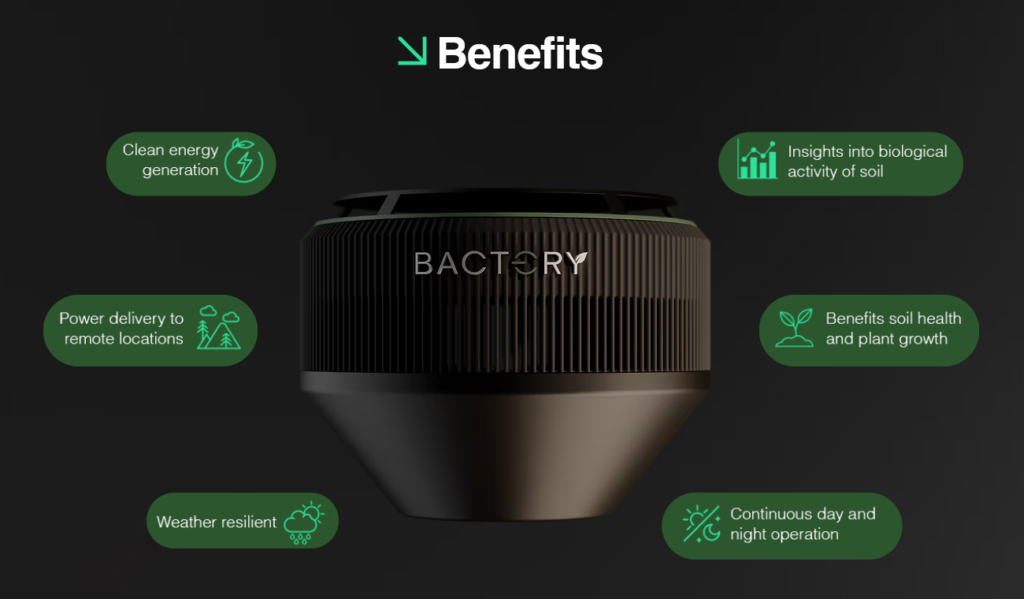
- Researchers at the University of Bath in the UK have launched a startup called Bactery that has developed an innovative way to generate clean electricity directly from soil.
- Instead of relying on sunlight, wind, or disposable batteries, the new technology captures energy naturally produced by microorganisms living underground.
- The system works by taking advantage of special soil bacteria that release electrons as they break down organic matter.
- A buried device called a soil microbial fuel cell collects these electrons and converts them into a steady supply of electricity.
- Since the bacteria are constantly active, the battery continually recharges itself while it remains in the ground.
- The company’s first target market is agriculture. Modern farms increasingly depend on sensors and Internet of Things (IoT) devices to monitor soil moisture, crop health, and weather conditions.
- These sensors often require expensive wiring, frequent battery replacements, or solar panels that stop working at night or during cloudy weather. Bactery’s technology offers an alternative by providing continuous, maintenance-free power directly from the soil.
- The company estimates each unit could last more than 25 years, cost about £25 (roughly $34 USD), and require virtually no maintenance – making it an “install and forget” solution.
- Bactery is now refining its prototypes and plans to begin small-scale production, with future applications extending beyond agriculture to many other low-power electronic devices.
Story 3: This shape-shifting liquid stores solar energy, and releases it on demand – Northwestern chemists created a liquid that morphs into an energy-storing gel and resets with nothing but air—no metal, no plastic, no battery casing required
Source: Anthropocene Magazine


- Researchers at Northwestern University in Evanston, Illinois have developed a new “shape-shifting” liquid that can absorb sunlight, store that energy for long periods, and then release it on demand—behaving somewhat like a rechargeable solar battery.
-
Side note – The shape-shifting liquid is not a single substance, but a designed supramolecular system built from:
- ANI (light-responsive unit)
- MV (electron-storage unit)
- Together, these form ANI-MV, a dynamic material inspired by the cytoskeleton of living cells.
- Unlike conventional solar energy systems, which typically require separate devices for collecting, storing, and using [releasing] energy, this approach combines all functions into a single, reusable material.
- It could potentially be used for clean energy storage, powering chemical reactions, or even future adaptive electronics.
- When exposed to light, the liquid undergoes a striking transformation. It changes from a yellow fluid into a dark, gel-like substance as it absorbs and locks in energy.
- In this gel state, the material can hold energy for months without needing bulky batteries or external storage systems.
- When the energy is required, the process is reversed: exposure to air (specifically oxygen) causes the gel to break apart and return to its original liquid form, releasing the stored energy in the process.
- The researchers drew inspiration from biological systems, especially how cells constantly build and break down internal structures. The material behaves in a similar way, repeatedly assembling and disassembling as it cycles between energy storage and release.
- Because it can be recharged repeatedly and works in water-based conditions without relying on metals or plastics, scientists see it as a promising step toward simpler and more sustainable ways to store solar energy.

Story 4: Boosting one protein helps the brain fight Alzheimer’s
Source: ScienceDaily.com From Baylor College of Medicine
Link: https://www.sciencedaily.com/releases/2026/05/260502013550.htm
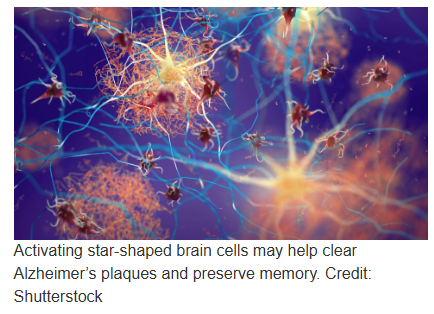
- Scientists at Baylor College of Medicine in Houston, Texas have found a way to help the brain clear harmful Alzheimer’s plaques by boosting its own support cells.
- The research focuses on astrocytes, star-shaped cells that maintain brain health. In Alzheimer’s, these cells become less effective at removing amyloid plaques, which contribute to memory loss.
- Side note – Amyloid plaques are abnormal, sticky clumps of misfolded amyloid-β (Aβ) protein that accumulate outside neurons in the brain and are a core pathological hallmark of Alzheimer’s disease.

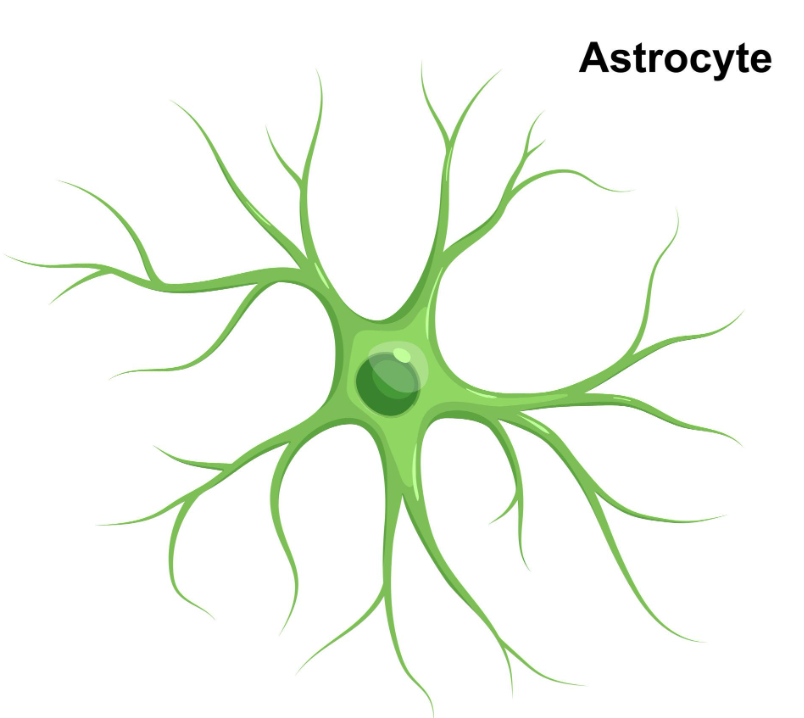
- The team discovered that increasing a protein called Sox9 strengthens astrocytes’ ability to clean up these toxic deposits. Sox9 normally regulates many genes in aging astrocytes, and its activity changes as the brain gets older.
- Side note – Sox9 (SRY-box 9) is a transcription factor — a DNA-binding regulatory protein — essential for embryonic development, especially cartilage formation, sex determination, and stem/progenitor cell identity.
- By raising Sox9 levels in mice that already had memory problems and existing plaques, researchers saw improved plaque removal and better cognitive performance over six months.
- Mice with enhanced Sox9 showed more complex astrocyte structures, better plaque “ingestion,” and slower cognitive decline.
- The findings suggest a new therapeutic direction: instead of only targeting neurons or trying to prevent plaque formation, treatments could activate astrocytes’ natural cleaning ability.
- While more research is needed to understand how Sox9 works in the human brain, this study points toward a promising strategy for slowing Alzheimer’s progression by strengthening the brain’s own support system.

Honorable Mentions
Story: Previously unrecognized immune response could enhance defense against cancer
Source: Baylor College of Medicine
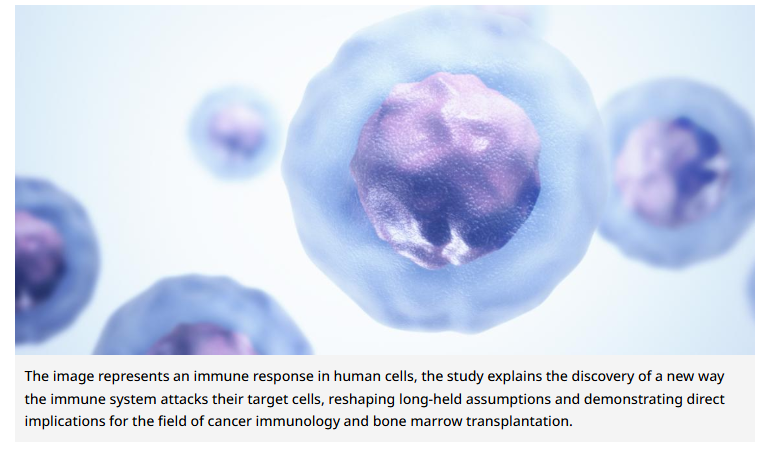
- Scientists at Baylor College of Medicine and the University of Michigan Rogel Cancer Center have discovered a surprising new way the immune system can attack cancer—one that overturns a long-standing belief in immunology.
- For decades, researchers thought that CD8 “killer” T cells were the main immune cells that attack cancer when they recognize signals displayed by a molecule called MHC class I on tumor cells. But this new study found something unexpected: when cancer cells lose MHC class I (a common trick they use to hide from killer T cells), they may actually become easier targets for CD4 “helper” T cells.
- The researchers showed that CD4 T cells can trigger a form of cell death called ferroptosis, which kills cells through iron-driven oxidative damage. In other words, by hiding from one branch of the immune system, cancer cells may expose themselves to another.
- This finding could help scientists design stronger cancer immunotherapies, especially for tumors that have learned to evade existing treatments. It may also improve understanding of immune complications in bone marrow transplants, such as graft-versus-host disease. (bcm.edu) (medicalxpress.com)
////////////////////////////////////////////////////////////////////////////////////////////////////////////////////////////////////////////
Story: New US partnership aims to extract critical semiconductor materials from aluminum waste – The project aims to extract gallium from aluminum refining waste and cut material development timelines from decades to just a few years
Source: Interesting Engineering Story by Atharva Gosavi
Link: https://interestingengineering.com/innovation/us-to-extract-critical-semiconductor-materials
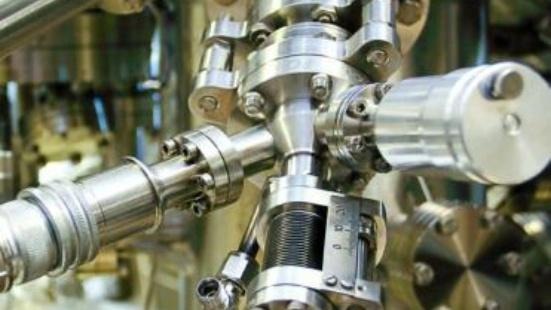
- The United States is taking major steps to secure its semiconductor supply chain by expanding domestic extraction and refining of critical materials. Currently, the U.S. relies heavily on foreign imports—particularly from China—for minerals like gallium, germanium, arsenic, and rare earth elements. These materials are indispensable for manufacturing advanced computer chips, defense systems, telecommunications networks, and clean energy technologies.
- While the U.S. possesses significant natural geological reserves, the primary obstacle has been a lack of domestic processing and high-purity refining capacity. This leaves the nation highly vulnerable to foreign export restrictions and supply chain disruptions.
- To combat this strategic vulnerability, federal initiatives like the CHIPS and Science Act are funding domestic research and development. The U.S. Department of Energy and national labs are aggressively pursuing new, sustainable methods to extract these critical elements from existing industrial sources. This includes reclaiming materials from zinc smelting byproducts, bauxite processing, and even recycling coal fly ash. By rebuilding sovereign processing ecosystems, the U.S. aims to eliminate its downstream import reliance, establish long-term economic stability, and safeguard national security.
- For further context, this John Cornyn speech video discusses legislative efforts like the CHIPS Act to reshore the chip industry and strengthen critical mineral supply chains.
////////////////////////////////////////////////////////////////////////////////////////////////////////////////////////////////////////////
Story: Low-tech solution to the 6G problem: Metacrystal panels offer cheap way to guide wireless signals around corners – Researchers at Aalto University in Finland have developed metacrystal panels: affordable 3D-printed devices that passively guide radio waves around physical barriers.
Source: NewAtlas.com Story by Etiido Uko
Link: https://newatlas.com/telecommunications/metamaterial-panels-wireless-signals-indoor-barriers/
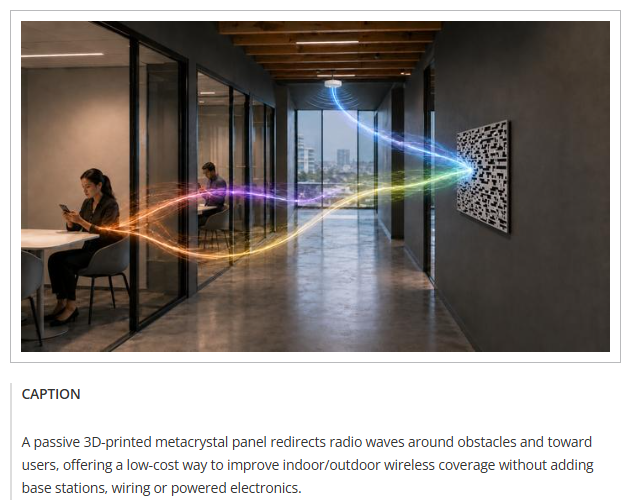
- Researchers at Aalto University have developed special low-cost “metamaterial” panels that can help wireless signals bend around obstacles like walls, corners, and furniture. These panels, called metacrystals, could improve Wi-Fi and future 6G coverage inside buildings without needing extra routers, repeaters, or powered devices.
- The idea is similar to using mirrors to redirect light into a dark room—but instead of light, these panels redirect radio waves. That’s important because future 6G networks will likely use much higher-frequency signals, which can carry far more data but are much easier to block by walls and people.
- What makes these metacrystals different from earlier “smart surface” technologies is that they are passive (no electricity required), inexpensive to 3D-print, and can manage multiple signals at once across different frequencies. They can also reflect, transmit, or even absorb signals depending on how they’re designed.
- In the future, these panels could be built into walls, ceilings, or furniture, essentially turning buildings themselves into part of the wireless network. This could make indoor coverage faster, cheaper, and more energy efficient – especially for 6G.
////////////////////////////////////////////////////////////////////////////////////////////////////////////////////////////////////////////
Story: Revolutionary 3D Microscope Delivers High-Resolution Tissue Imaging at a Fraction of the Cost
Source: Bioengineer.org

- Scientists at Columbia University have developed a new type of 3D microscope that can create extremely detailed images of tissues—like brains, tumors, and organoids—at a much lower cost than today’s top systems. The breakthrough centers on a design called Hybrid Solid–Liquid Optics (HySIL), which solves a long-standing problem in microscopy: the tradeoff between image sharpness and imaging depth.
- Traditional high-end microscopes often rely on expensive oil-immersion lenses that provide sharp images but can only see a few millimeters into tissue. Cheaper air-based lenses can image much deeper but usually produce blurrier results because of optical distortions. HySIL combines a curved solid lens with a specially matched liquid, effectively acting as one continuous optical system. This allows inexpensive lenses to produce images nearly as sharp as premium systems while imaging much larger samples.
- The team built a plug-in device called SCOPE that can upgrade existing light-sheet microscopes, making the technology easy to adopt. They also created Super-SCOPE, a higher-performance version. Researchers tested the system on whole animal brains, miniature human brain models, and intact cancer biopsies. The technology could transform neuroscience, cancer diagnosis, and AI-driven medical analysis by making high-resolution 3D tissue imaging far more accessible worldwide.