


Show Notes 10 April 2026
Text highlighted in blue identifies notes I have inserted.
Story 1: Scientists may have figured out how to unlock the energy of ocean waves
Source: ScienceAlert.com Story by David Nield
Source: Asia Research News University of Osaka
Link: https://www.sciencealert.com/scientists-may-have-figured-out-how-to-unlock-the-energy-of-ocean-waves
See also: https://www.asiaresearchnews.com/content/power-motion-transforming-energy-harvesting-gyroscopes
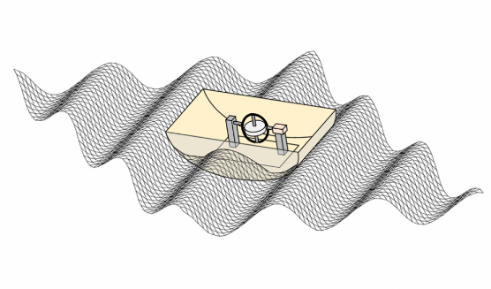
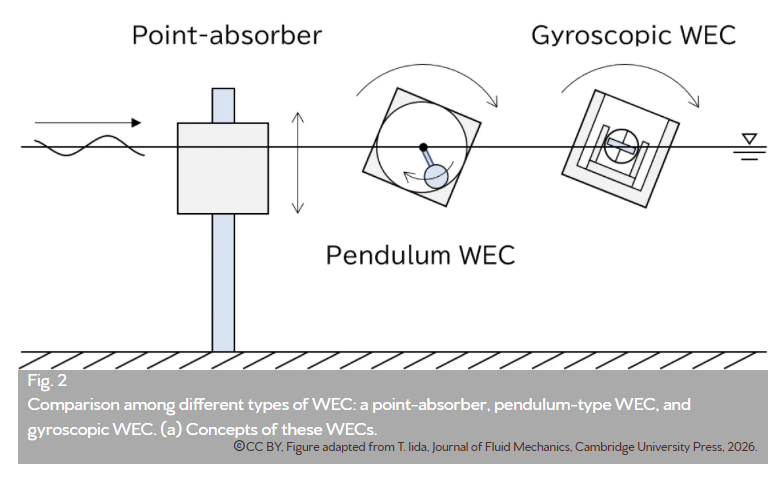
- Researchers at the Department of Naval Architecture and Ocean Engineering at the University of Osaka in Japan have modeled a Gyroscopic Wave Energy Converter.
- Side note reminder – A gyroscope is a device that uses a spinning wheel or disc to measure or maintain orientation and angular velocity. Its key behavior comes from the conservation of angular momentum: once the rotor is spinning, it strongly resists changes to its orientation.
- According to new modeling this design could theoretically capture up to 50% of a wave’s energy, a major leap over past designs. It’s a floating device containing a spinning flywheel connected to a generator.
- As waves rock the device, the gyroscope’s precession (the way a spinning object responds to external forces) can be tuned to extract energy efficiently.
- Why This Matters:
- Ocean waves contain huge amounts of clean, renewable energy, but most devices struggle because waves constantly change in height, direction, and frequency.
- This new approach shows that a gyroscope-based system could maintain high efficiency across a wide range of wave conditions, not just at a single resonant frequency.
- Key Innovations of this research:
- The study uses linear wave theory to calculate how waves interact with:
- the floating structure
- the gyroscope
- and the generator
- Side note – Linear wave theory (also called Airy wave theory) is the simplest mathematical model of surface gravity waves, built on the assumption that waves have small amplitude so their motion can be treated as linear. It describes how sinusoidal waves propagate on the ocean surface when the fluid is inviscid, incompressible, and irrotational.
- By adjusting flywheel rotation speed, and generator resistance, the system can theoretically reach 50% efficiency, which is the fundamental theoretical limit for wave-energy extraction.

Story 2: Researchers use fungus to create plastic-free food packaging
Source: University of Maine
Link: https://umaine.edu/news/2026/02/researchers-use-fungus-to-create-plastic-free-food-packaging/
See researcher discussing this project on this video: https://www.youtube.com/watch?v=Be_SnPFJodo
- More than 19–23 million tons of plastic enter waterways each year (UN estimate) – which, of course, includes plastic food packaging. More than 25% of the 16,000 chemicals used in plastics pose health risks.
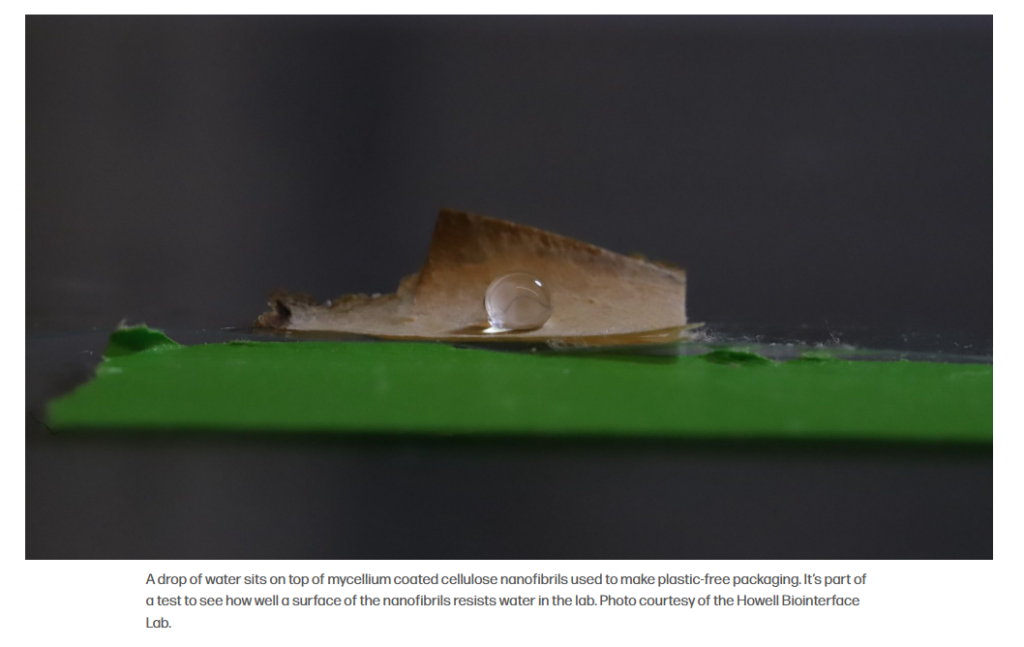
- Researchers at the University of Maine have developed a fully biodegradable, plastic free food packaging material made from mushroom mycelium and wood derived cellulose nanofibrils, creating a water and oil-resistant alternative that can be produced in just three days.
- It can be applied as a coating on paper or other substrates, and as a standalone film that feels like plastic on one side and slightly fuzzy on the other.
- Why Mycelium?
- Mycelium naturally repels water and forms strong, interlocking networks.
- It’s already used in sustainable materials like faux leather and bricks.
- Because [some] fungi are already part of the human diet, researchers note they are safe for long term use in food contact materials.
- Why Cellulose Nanofibrils? Cellulose Nanofibrils are biodegradable, oil resistant, and derived from plants.
- Side note – Cellulose Nanofibrils (CNF) are a type of nanostructured cellulose material derived primarily from wood pulp, though they can also be sourced from cotton, hemp, or agricultural waste. They consist of a bundle of elongated, flexible, and thread-like cellulose chains that have been mechanically or chemically separated into the nanometer scale.
- How the research team used fungus to create plastic-free food packaging:
- The team grew the fungus Trametes versicolor (turkey tail mushroom) on a Cellulose Nanofibrils mixture enriched with nutrients.
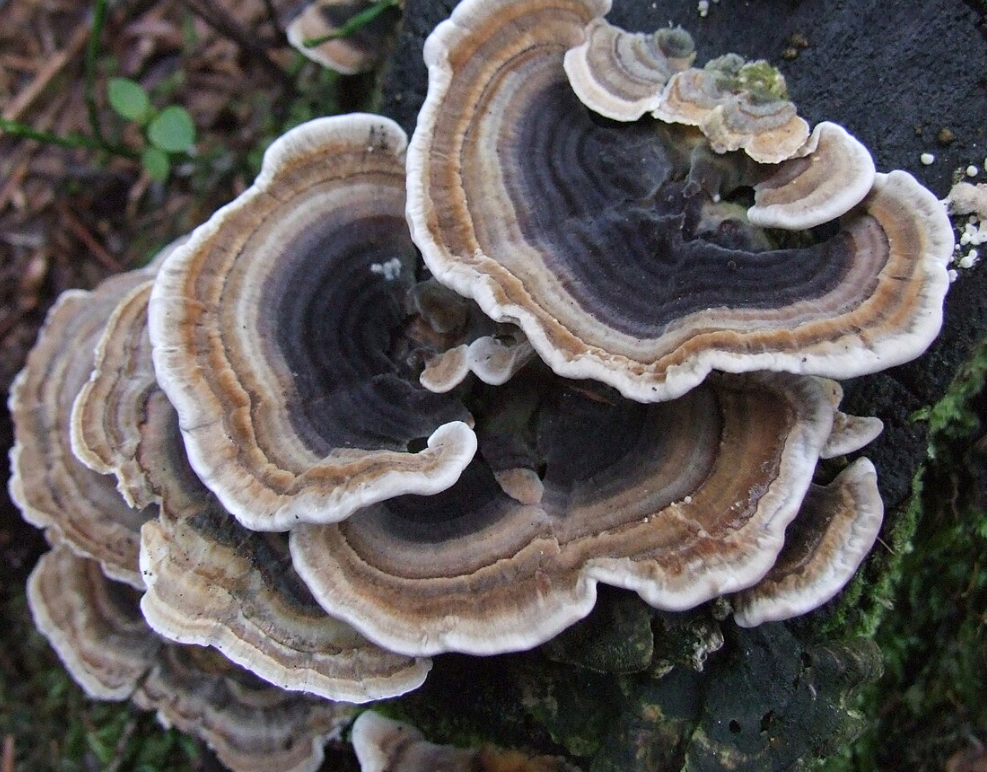
- This process of blending ensures the fungal hyphae grow uniformly.
- Side note – Fungal hyphae are the long, thread-like filaments that make up the body of a fungus. They’re the fundamental building blocks of most fungi.
- After drying, the team created a coating that is 20–25 microns thick (about ¼ the thickness of a human hair) to create the plastic-like packaging sheets.
- Critically, they reduced the growth time from weeks to just three days, a major step toward commercial scalability.
- Scaling Toward Real World Use
- Researchers are developing roll-to-roll manufacturing methods to scale production from square centimeters to square meters per hour.
- Side note – Roll-to-roll (R2R) manufacturing is a continuous production method where a flexible material—such as plastic film, metal foil, paper, or flexible glass—is unwound from one roll, processed through one or more steps, and then rewound onto another roll. The key idea is that the material moves as a web through the system, allowing high-throughput, scalable, and cost-efficient fabrication.
- Lower production time and compatibility with industrial equipment could make this a low-cost, high-volume alternative to plastic packaging.
Story 3: Graphene-based ‘artificial skin’ brings human-like touch closer to robots
Source: University of Cambridge
See video here: https://www.youtube.com/watch?v=rGr28Xm1bu4
See research paper here: https://www.nature.com/articles/s41563-026-02508-7
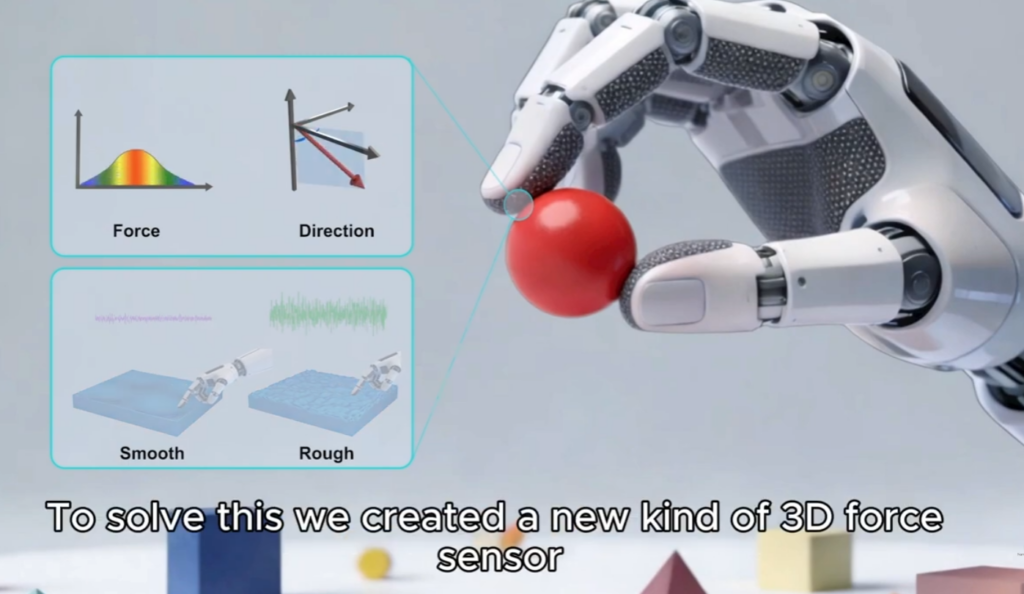
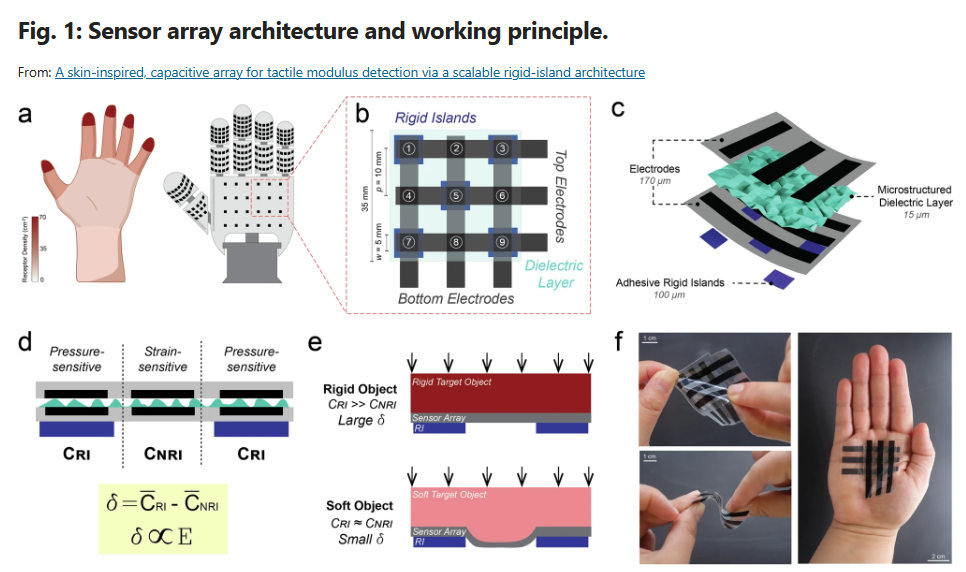
- Researchers at the University of Cambridge have created a graphene-based “artificial skin” that gives robots a far more human-like sense of touch, detecting pressure, shear forces, slip, and texture with fingertip-level precision.
- What the researchers built:
- A miniaturized 3D tactile sensor made from:
- Graphene sheets
- Liquid metal microdroplets
- Nickel particles
- All embedded in a soft silicone matrix
- The material is shaped into tiny pyramids (~200 millionths of a meter) inspired by human skin microstructures.
- These pyramids concentrate stress at their tips, enabling extreme sensitivity—even detecting a grain of sand.
- What This Artificial Skin Can Sense
- Normal pressure (how hard something presses)
- Shear forces (sideways forces)
- Slip (when an object begins to slide)
- Surface roughness
- By reading signals from four electrodes under each pyramid, the system reconstructs a full 3D force vector in real time.
-
Side note – A 3D force vector is a mathematical object that represents a force acting in three-dimensional space. It has:
- a magnitude (how strong the force is)
- and direction (which way it pushes or pulls)
- three components along the x, y, and z axes
- Robots equipped with this skin were able to:
- Pick up fragile objects (e.g., thin paper tubes) without crushing them.
- Adapt grip in real time using slip detection—no prior knowledge of the object needed.
- Implications for Prosthetics
- Could enable more natural, intuitive tactile feedback for artificial limbs.
- Helps users better judge grip, texture, and object stability.
- Improves safety and confidence in everyday interactions.
- What’s Next – Researchers aim to:
- Shrink sensors below 50 millionths of a meter, approaching human mechanoreceptor density.
- Add temperature and humidity sensing for a fully multimodal artificial skin.
- Apply the technology to robots operating in homes, hospitals, and unpredictable environments.
Story 4: Scientists create cancer-fighting immune cells right in the body
Source: University of California, San Francisco Story by Sarah C.P. Williams
Link: See research paper here: https://www.nature.com/articles/s41586-026-10235-x
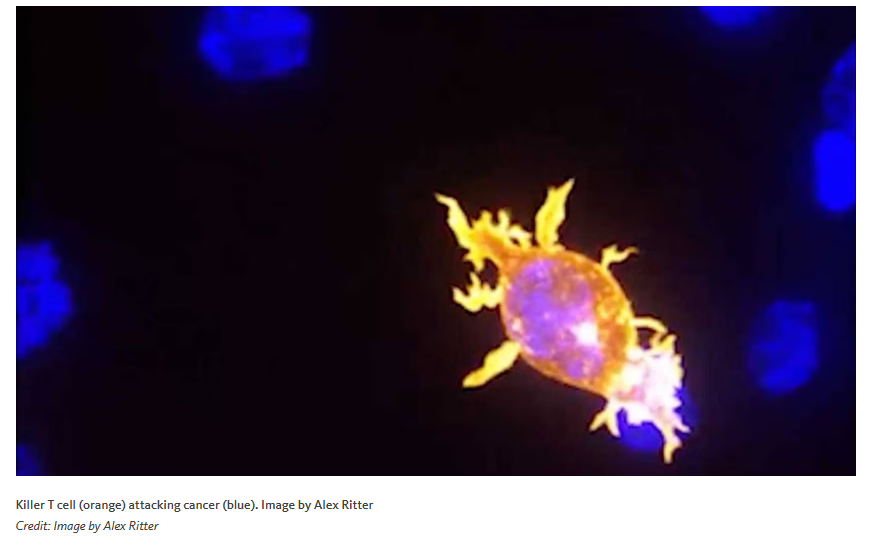
- For years, one of the most powerful weapons against certain blood cancers, called CAR-T therapy, has required an elaborate process:
- Doctors extract a patient’s immune cells, ship them to a specialized facility where they’re genetically reprogrammed to fight cancer, then ship them back for infusion into the patient’s bloodstream.
- This has revolutionized cancer treatment, but the time and expense place it out of reach for thousands of patients.
- Side note – CAR-T stands for Chimeric Antigen Receptor T-cell therapy. It refers to T cells that have been genetically engineered to express an artificial (chimeric) receptor that helps them recognize and attack cancer cells.
- Side note – A T cell is a specialized white blood cell that plays a central role in your adaptive immune system. The “T” comes from the thymus, the organ where these cells mature. Once developed, they circulate through your blood and lymphatic system, constantly scanning for signs of infection or abnormal cells.
- Now, scientists at UC San Francisco have developed a method to precisely reprogram these cancer-fighting cells directly inside the body, potentially eliminating those barriers.
- It is the first time that scientists have integrated a large sequence of DNA at a specific site in human T cells without removing them from the body.
- This targeted approach, which did better than the standard method, is a breakthrough that goes beyond CAR-T to advance the fields of cell and gene therapy overall.
- In experiments using mice with humanized immune systems the researchers used the method to successfully treat aggressive leukemia, multiple myeloma, and even a solid tumor.
- Scientists hope the new method will lead to an off-the-shelf therapy, like a vaccine, that could one day be given to anyone with the same condition.
-
Side note – Key technologies used in the research:
- CRISPR-Cas9: Used as “molecular scissors” to precisely integrate DNA at a specific site in the T cell genome.
- Nanoparticles/Viral Vectors: Two distinct particles were engineered—one to find and “open” the T cells and another to deliver the new genetic instructions for the Chimeric Antigen Receptor (CAR).
- Molecular “On-Switches”: Targeted activation to ensure the genetic edits only occur in T cells and not other cells in the body.
Honorable Mentions
Story: H&M wants to make clothing from CO2 using this startup’s tech
Source:TechCrunch.com Story by Tim De Chant
Link: https://techcrunch.com/2026/03/17/hm-wants-to-make-clothing-from-co2-using-this-startups-tech/
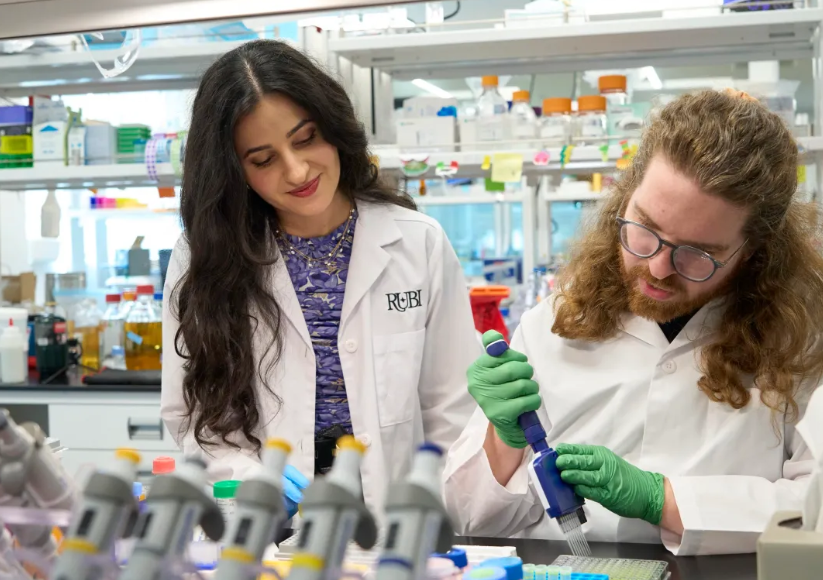
- H&M is backing a startup called Rubi that turns captured CO₂ into cellulose — the key ingredient for fabrics like lyocell and viscose — using an enzyme-based process that could replace tree derived pulp and dramatically cut fashion’s carbon footprint.
- What Rubi Is Building
- Rubi has developed a biological, enzyme-driven system that converts captured CO₂ into cellulose, the same material normally sourced from trees.
- This cellulose can be used to make lyocell, viscose, and other cellulose based textiles.
- The process happens in shipping container sized reactors, where CO₂ is bubbled into an aqueous enzyme solution and cellulose forms within minutes.
- How the Technology Works
- Instead of engineered bacteria or chemical catalysts, Rubi uses a cascade of natural enzymes to transform CO₂ into cellulose.
- The company uses AI and machine learning to improve enzyme stability and efficiency.
- The enzyme industry already has massive global capacity (e.g., food processing, wastewater treatment), which Rubi believes will help keep costs low.
- While apparel is the first target, Rubi sees its tech as a platform for producing many chemicals and materials from CO₂ at low cost.
- Future plans include continuous production systems and expansion into any industry that uses cellulose.
////////////////////////////////////////////////////////////////////////////////////////////////////////////////////////////////////////////
Story: Construction Robotics in 2026: 4 Workflows Where Robots Are Actually Working on Construction Site
Source: Bricks and Bytes Story by Martin Piekarz
Rebar tying robots
- The article from Bricks & Bytes titled “Construction Robotics in 2026: 4 Workflows Where Robots Are Actually Working on Construction Site” provides a practical, real-world assessment of the construction robotics market.
- Moving away from speculative “humanoid” fantasies, the report identifies four specific workflows where robots are currently delivering repeatable results and a documented Return on Investment (ROI).
- Layout and Measurement
- Robotic “plotters” are now the “poster child” for on-site success. These robots take digital BIM (Building Information Modeling) data and print multi-trade layout lines directly onto concrete slabs with extreme precision.
- Performance: A robot like the Dusty Robotics FieldPrinter can cover 40,000 to 70,000 sq. ft. per shift, compared to 8,000 to 15,000 sq. ft. for a human crew.
- Prerequisite: Success requires a “frozen” digital model and accurate survey control points.
- Groundworks and Earthmoving
- The primary driver for autonomous earthmoving is the massive growth of solar farm construction.
- Benefit: Autonomous kits on excavators and dozers increase installation rates by 25–40%.
- Accuracy: Robots maintain a positioning variance of less than 0.5 inches, significantly reducing rework (which drops from 3–4% manually to under 0.5%).
- Structural and Rebar
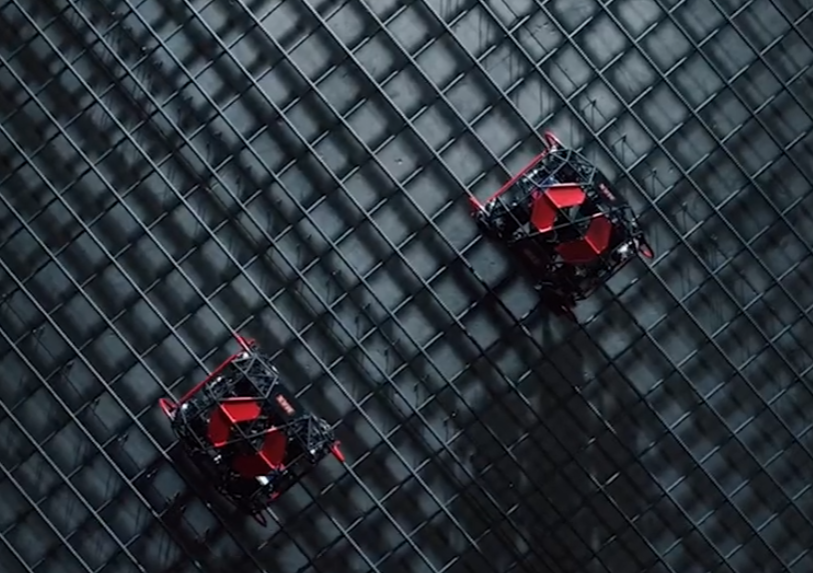
- Rebar tying is a high-risk, ergonomically “brutal” task. Robots are taking over these repetitive, heavy-duty roles to improve safety and speed.
- Efficiency: Tools like TyBot can compress a 12-day manual tying sequence into just 4 to 6 days.
- Impact: This workflow addresses critical path pressure while protecting workers from one of the highest injury-rate tasks in the industry.
- Inspection and Digital Capture
- Often called “Scouts,” these robots (like the Boston Dynamics Spot) navigate sites to collect data without physically altering the environment.
- ROI: On a $50 million project, a robotic capture program costs roughly $3,500–$5,500 per month but can save $80,000–$150,000 through “claim avoidance” and documented progress.
- Payback Period: Most companies see a full payback on the investment in under six months.
- What Makes a Task “Robotable”?
- The article highlights three criteria that define a successful robotic deployment:
- Repetitive Structure: The task follows simple geometric rules.
- Physical Strain: The job is dangerous or hard on the human body.
- Direct Impact: The task is on the “critical path,” meaning if it fails or slows down, the entire project is delayed.
- Future of Construction: AI & Robotics 2026 – This video provides a visual showcase of the specific robots mentioned in the report, such as the Dusty Robotics FieldPrinter and TyBot, demonstrating them in action on real jobsites.
////////////////////////////////////////////////////////////////////////////////////////////////////////////////////////////////////////////
Story: Japan: World’s First Onshore Operation of Hydrogen-Fueled Engine for Large Ships Begins
Source: FuelCellWorks.com

- Japan has begun operating the world’s first full‑scale hydrogen‑fueled engine for large commercial ships, achieving over 95% hydrogen co‑firing at full load and marking a major step toward zero‑emission long‑distance maritime transport.
- This prototype engine will power a 17,500‑DWT demonstration vessel scheduled for launch in 2027 and multi‑year trials starting in 2028.
- Why This Matters:
- Most hydrogen‑powered vessels today are:
- Small (tour boats, tugboats)
- Short‑range
- Using compressed hydrogen
- Most hydrogen‑powered vessels today are:
- This project is different because it targets:
- **Long‑distance, long‑duration, high‑power** commercial shipping
- Using **liquefied hydrogen** and a **high‑efficiency two‑stroke engine**
- Aiming to make **large hydrogen‑fueled merchant ships** viable
////////////////////////////////////////////////////////////////////////////////////////////////////////////////////////////////////////////
Story: Researchers reveal cement 17x tougher than traditional concrete, and it could redefine modern construction
Source: The Daily Galaxy on MSN
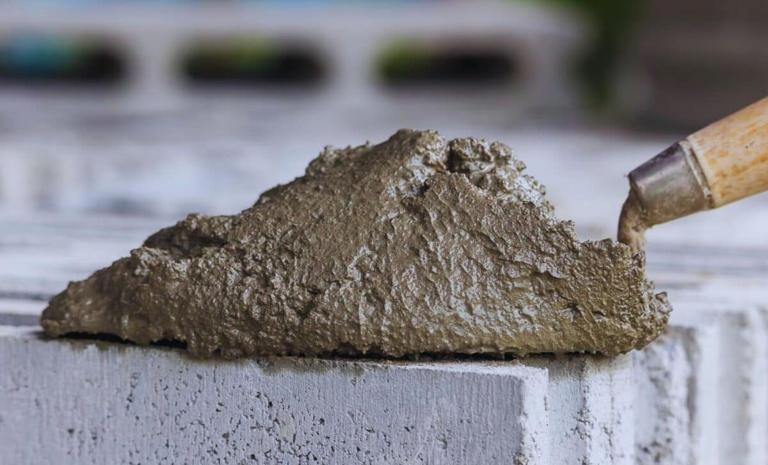
- Researchers have developed a new type of cement reported to be 17 times tougher than traditional concrete.
- The material is designed to dramatically improve durability and resilience in construction.
- Scientific Foundation
- The work is associated with Princeton Engineering and published in Advanced Functional Materials, indicating a peer‑reviewed scientific basis.
- The breakthrough likely involves innovations in microstructure, bonding, or composite reinforcement.
- Potential Impact on Construction
- This tougher cement could redefine modern construction, enabling:
- Longer‑lasting infrastructure
- Better resistance to cracking and environmental stress
- Reduced maintenance costs over time